
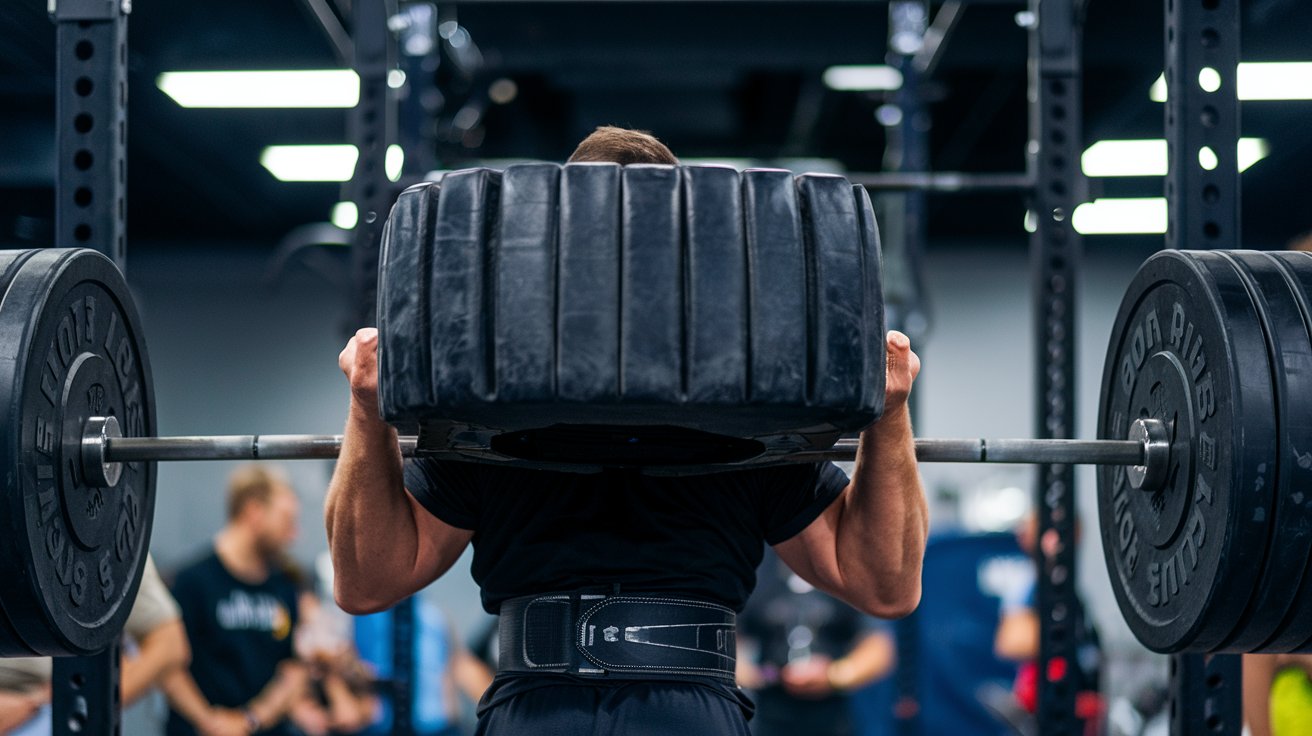
Whether you need a lifting belt depends on your training goals, experience level, and the weights you’re handling. While not essential for beginners, a weightlifting belt becomes valuable when lifting heavy loads, typically above 80% of your one-rep max. This comprehensive guide will help you determine if a lifting belt is right for your fitness journey and how to use it effectively.
What Does a Lifting Belt Actually Do?
A lifting belt serves as an external support system that increases intra-abdominal pressure when you brace your core. This mechanism creates a rigid cylinder around your midsection, providing additional stability to your spine during heavy lifts. The belt doesn’t directly strengthen your core muscles but rather gives them something to push against, enhancing the natural bracing mechanism your body already uses.
Research from 2025 biomechanics studies shows that proper belt usage can increase intra-abdominal pressure by up to 40%, significantly reducing compressive forces on the lumbar spine. This increased pressure acts like an internal air bag, supporting your torso and maintaining proper spinal alignment during maximal efforts. Understanding this mechanism is crucial for determining when you really need a lifting belt in your training routine.
When Should You Start Using a Lifting Belt?
The decision of when to start wearing a lifting belt isn’t based solely on time spent training but rather on the intensity and loads you’re handling. Most strength coaches recommend considering a belt when you’re consistently lifting above 85% of your one-rep max for compound movements like squats and deadlifts. For the average trainee, this typically translates to specific weight thresholds based on body weight and training experience.
For squats, consider using a belt when lifting 1.5 times your body weight or more. For deadlifts, the threshold is typically around 2 times your body weight. However, these numbers aren’t absolute rules. A 150-pound lifter might benefit from a belt at 225 pounds for squats, while a 200-pound lifter might not need one until reaching 300 pounds. The key is listening to your body and assessing whether you’re struggling to maintain proper form due to core stability limitations rather than muscle strength.
Weight Thresholds for Different Exercises
Different exercises require different considerations for belt usage. For squats, most experienced lifters find belts beneficial when handling weights above 275-315 pounds for men and 185-225 pounds for women. Deadlifts typically require higher thresholds due to the movement’s biomechanics, with men often benefiting from belts at 365+ pounds and women at 245+ pounds. These numbers represent general guidelines based on 2024 strength training data from American powerlifting federations.
Experience Level Considerations
Your training experience significantly impacts when you should introduce a lifting belt. Beginners with less than 6 months of consistent training should focus on developing natural core stability without external support. Intermediate lifters (6 months to 2 years) can start experimenting with belts during their heaviest sets, while advanced lifters often use belts strategically for competition preparation and personal record attempts. The key is ensuring the belt complements rather than replaces proper bracing technique.
Types of Lifting Belts and Which You Need
Understanding the different types of lifting belts available helps you choose the right tool for your specific needs. The three main categories include leather powerlifting belts, nylon belts, and chain belts, each designed for different training styles and preferences. Leather belts, particularly those with uniform width (typically 4 inches), are considered the gold standard for serious strength training due to their durability and support.
The best lifting belt for most trainees is a 10-13mm thick leather belt with a lever or prong closure system. These belts provide optimal support for heavy compound movements while lasting years with proper care. Nylon belts offer more flexibility and comfort for general fitness training but lack the rigid support needed for maximal lifts. When choosing between options, consider your primary training goals, budget, and comfort preferences to find the ideal match for your lifting style.
Leather Powerlifting Belts
Leather powerlifting belts represent the premium choice for serious strength athletes, offering maximum support and longevity. These belts typically feature 10-13mm thickness with uniform width throughout, providing consistent support around your entire midsection. Quality leather belts from reputable manufacturers can withstand years of heavy use while maintaining their structural integrity. The investment, typically ranging from $80-200, pays dividends for lifters handling significant loads regularly.
Nylon and Flexible Belts
Nylon and flexible belts cater to general fitness enthusiasts and those prioritizing comfort over maximum support. These belts typically cost $20-60 and offer adequate support for moderate loads while allowing greater range of motion. They’re ideal for circuit training, CrossFit-style workouts, or lifters who find leather belts too restrictive. However, they’re not recommended for maximal strength training or competitive powerlifting due to their limited support capabilities.
Do You Really Need a Lifting Belt?
The question of whether you really need a lifting belt depends entirely on your individual circumstances and training goals. Many successful lifters train their entire careers without belts, developing exceptional core strength and stability naturally. However, for those pursuing maximal strength, competing in powerlifting, or regularly handling weights above 85% of their one-rep max, a belt becomes a valuable safety tool and performance enhancer.
Consider your training frequency, intensity, and long-term goals when making this decision. If you’re lifting 3-4 times per week with heavy compound movements, experiencing lower back fatigue, or preparing for competition, a lifting belt likely offers significant benefits. Conversely, if you’re focused on general fitness, bodybuilding with moderate weights, or building raw strength, you might not need external support. The belt should enhance your training, not become a crutch that prevents natural strength development.
How to Properly Use a Lifting Belt
Proper lifting belt usage requires understanding the correct positioning, tightness, and breathing technique. Position the belt around your waist at approximately the level of your bottom rib, ensuring it sits evenly around your midsection. The belt should be tight enough to restrict your breathing slightly but not so tight that you cannot take a deep breath. This sweet spot allows for proper bracing while maintaining the belt’s supportive function.
The key to effective belt usage lies in the bracing sequence: take a deep breath, engage your core muscles as if someone were about to punch your stomach, then push your abdominal muscles outward against the belt. This creates maximum intra-abdominal pressure and provides optimal spinal support. Maintain this pressure throughout the entire lift, only releasing it at the completion of each repetition. Practice this technique with lighter weights before implementing it during maximal efforts.
Belt Positioning and Tightness
Correct belt positioning significantly impacts its effectiveness and your comfort during lifts. The belt should sit approximately 2-3 inches above your hip bones, allowing for proper breathing while providing core support. Tighten the belt to the point where you can still take a full breath but feel resistance when expanding your midsection. Most lifters require different tightness levels for different exercises, with deadlifts often requiring slightly looser settings than squats.
Breathing and Bracing Technique
Mastering the breathing technique with a belt requires practice and patience. Begin by taking a deep breath at the top of each lift, filling your lungs completely while expanding your diaphragm. As you descend into the squat or begin the deadlift, maintain this breath while actively pushing your core muscles against the belt. This creates a pressurized system that supports your spine throughout the movement. Release the breath only after completing the concentric portion of each repetition.
Benefits and Drawbacks of Lifting Belts
Understanding both the advantages and potential disadvantages of lifting belts helps you make an informed decision about their place in your training. The primary benefits include increased intra-abdominal pressure, improved spinal stability, enhanced lifting performance, and reduced risk of lower back injury during maximal efforts. Studies from 2024 show that experienced lifters can increase their squat and deadlift performance by 5-15% when using belts appropriately.
However, lifting belts also present potential drawbacks if misused or over-relied upon. Excessive belt dependence can lead to weakened core muscles over time, reduced proprioception, and difficulty lifting without external support. Additionally, improper belt usage may create a false sense of security, leading to poor form or attempting weights beyond your actual capability. The key lies in strategic implementation rather than constant reliance on external support for all training sessions.
Lifting Belts for Women: Special Considerations
Women considering lifting belts face unique anatomical and training considerations that affect belt selection and usage. Female lifters typically have shorter torsos and different fat distribution patterns, which can impact belt positioning and comfort. Many women find success with slightly narrower belts (3-4 inches) compared to the standard 4-inch width preferred by male powerlifters. The key is finding a belt that accommodates your body structure while providing adequate support.
Research from 2025 indicates that female powerlifters benefit from lifting belts at similar relative intensities as men, typically when handling loads above 80-85% of their one-rep max. However, women often prefer more flexible belt materials initially, as they may find thick leather belts uncomfortable during the adaptation period. Consider starting with a quality nylon belt before progressing to leather if you plan to pursue serious strength training long-term.
Common Lifting Belt Mistakes to Avoid
Several common mistakes can negate the benefits of lifting belts or even increase injury risk when not addressed properly. The most frequent error involves wearing the belt too loose, which provides minimal support and can actually interfere with proper movement patterns. Conversely, over-tightening creates breathing difficulties and may restrict blood flow, leading to dizziness or fainting during heavy lifts.
Another critical mistake involves using the belt as a crutch for every exercise and weight. Lifting belts should be reserved for your heaviest sets (typically 85%+ of 1RM) rather than worn throughout entire training sessions. Constant belt usage prevents your core muscles from developing natural strength and stability. Additionally, many lifters fail to practice proper bracing technique before introducing a belt, leading to ineffective usage and missed performance benefits. Master bodyweight and moderate-load bracing before adding external support to your training arsenal.
Alternatives to Lifting Belts
Several effective alternatives to lifting belts can provide similar benefits while developing natural core stability and strength. Focused breathing techniques and progressive bracing training form the foundation of belt-free lifting. Practice the Valsalva maneuver by taking a deep breath, holding it while engaging your core, and maintaining tension throughout each lift. This technique, when mastered, provides significant spinal support without external equipment.
Core strengthening exercises specifically targeting the deep stabilizing muscles offer another excellent alternative to belt dependency. Planks, dead bugs, bird dogs, and Pallof presses develop the intrinsic stability needed for heavy lifting. Additionally, tempo training with slower eccentric phases forces your core to work harder, building strength and endurance. Many successful lifters combine these approaches, using natural bracing for most training while reserving belts for competition or personal record attempts.
Related video about do i need a lifting belt
This video complements the article information with a practical visual demonstration.
Your questions answered
At what weight should I start using a lifting belt for squats?
Most lifters benefit from a belt when squatting 1.5 times their body weight or more, typically around 225-315 pounds for men and 135-225 pounds for women. However, the decision should be based on your ability to maintain proper form and core stability rather than specific weight thresholds. If you’re struggling with spinal stability during heavy squats, consider introducing a belt regardless of the absolute weight.
Do lifting belts actually prevent injuries?
Lifting belts can reduce injury risk when used properly by increasing intra-abdominal pressure and supporting spinal alignment during maximal lifts. However, they’re not injury-proof armor. Studies show belts are most effective for experienced lifters handling 80%+ of their one-rep max. Proper form, progressive overload, and adequate recovery remain the primary injury prevention strategies.
Should I wear a lifting belt for deadlifts?
Use a lifting belt for deadlifts when handling weights above 85% of your one-rep max, typically 2+ times body weight. The belt provides valuable spinal support during the most demanding portion of the lift. However, practice proper bracing technique without a belt first, and avoid wearing it for warm-up sets or moderate-intensity training to maintain natural core strength.
Will using a lifting belt weaken my core muscles?
Lifting belts won’t weaken your core if used strategically for heavy sets only (85%+ 1RM). Problems arise when lifters become dependent on belts for all training intensities. Reserve belt usage for your heaviest work, continue training without belts for moderate loads, and include dedicated core strengthening exercises to maintain natural stability and strength.
What’s the difference between powerlifting belts and general fitness belts?
Powerlifting belts feature uniform width (typically 4 inches), thick leather construction (10-13mm), and provide maximum rigidity for heavy compound lifts. General fitness belts are often tapered, made from flexible materials like nylon, and prioritize comfort over maximum support. Choose based on your training goals: powerlifting belts for serious strength training, fitness belts for general exercise.
How tight should a lifting belt be?
A lifting belt should be tight enough to restrict breathing slightly while still allowing you to take a full breath for proper bracing. You should feel resistance when expanding your midsection but not experience pain or excessive discomfort. Most lifters can fit one finger between the belt and their body when properly adjusted. Tightness may vary slightly between exercises.
| Key Factor | Recommendation | Primary Benefit |
|---|---|---|
| Training Experience | 6+ months before considering belt | Proper technique foundation |
| Weight Threshold | 85%+ of 1RM for compound lifts | Maximum support when needed |
| Belt Type | 4-inch leather for serious lifting | Optimal support and durability |
| Usage Frequency | Heavy sets only, not all training | Maintains natural core strength |

