
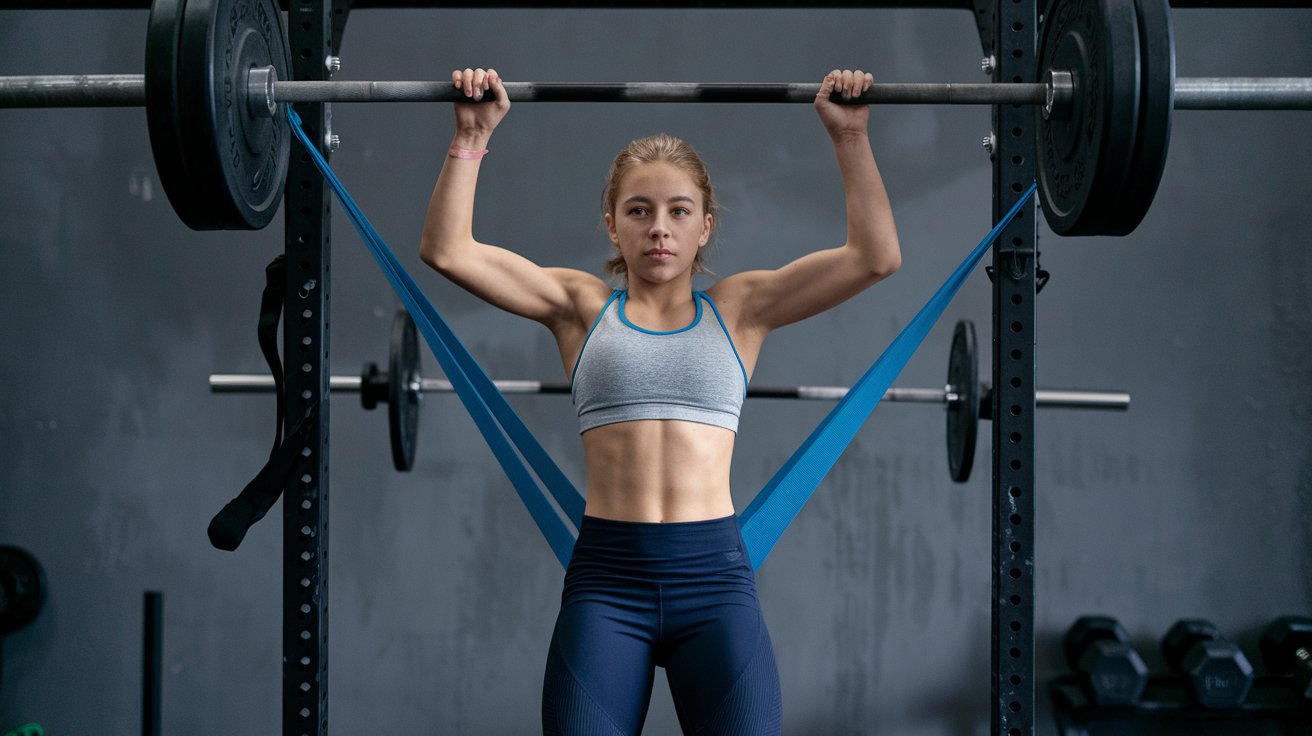
Learning how to do pull-ups for beginners girl doesn’t have to be intimidating. Pull-ups are one of the most effective upper body exercises, yet many women struggle to perform even one. This comprehensive guide provides a systematic approach to build the strength, technique, and confidence needed to master your first pull-up and progress beyond. With proper progression and consistent practice, most women can achieve their first pull-up within 8-16 weeks.
Understanding Pull-Ups: What Every Beginner Girl Should Know
A pull-up for beginners female is fundamentally a compound exercise that targets multiple muscle groups simultaneously. Unlike push-ups, pull-ups require you to lift your entire body weight against gravity, making them significantly more challenging. The exercise primarily engages your latissimus dorsi, rhomboids, biceps, and core muscles. For women starting their fitness journey, understanding that pull-ups are skill-based movements requiring both strength and technique is crucial for success.
The average woman faces unique challenges when learning pull-ups due to physiological differences. Women typically have less upper body muscle mass compared to men, with research showing women possess approximately 40-60% of the upper body strength of their male counterparts. However, this doesn’t mean pull-ups are impossible for women. With proper female pull-up training and progressive overload, any woman can develop the necessary strength and technique to perform multiple pull-ups consistently.
Essential Equipment and Setup for Female Pull-Up Training
Selecting the right equipment is fundamental for pull-ups for beginners girl success. A sturdy pull-up bar is your primary tool, whether it’s a doorway pull-up bar, wall-mounted option, or gym equipment. Ensure the bar can support at least 300 pounds and is positioned at a height where you can hang with slightly bent arms. Resistance bands are invaluable for assisted pull-ups, with medium to heavy resistance typically working best for beginners.
Your grip setup significantly impacts your training effectiveness. For female beginners, start with an overhand grip slightly wider than shoulder-width apart. This grip engages the largest back muscles and provides the most natural pulling motion. Avoid grips that are too wide, as they can strain your shoulders and reduce your pulling power. Consider using grip aids like lifting gloves or chalk if your hands tend to slip, as grip failure often occurs before muscle failure in beginning stages.
Progressive Pull-Up Training Program for Women
A structured women’s pull-up training program follows specific progressions that gradually build strength and technique. Week 1-2 focuses on dead hangs, where you simply hang from the bar for 15-30 seconds, building grip strength and shoulder stability. Progress to flexed arm hangs, where you hold the top position of a pull-up for 10-15 seconds. These isometric holds are crucial for developing the specific strength patterns needed for full pull-ups.
Weeks 3-6 introduce assisted pull-ups using resistance bands or assisted pull-up machines. Start with assistance that allows you to perform 5-8 repetitions with proper form. The average girl should focus on controlled movements, taking 2-3 seconds to pull up and 2-3 seconds to lower down. Gradually reduce assistance as you build strength, aiming to perform 15-20 assisted pull-ups before progressing to negative pull-ups, where you focus on the lowering portion of the movement.
Mastering Pull-Up Technique and Form
Proper technique is essential for how to do pull-ups for beginners female safely and effectively. Begin in a dead hang position with your arms fully extended but not locked out. Engage your core and slightly retract your shoulder blades to create a stable base. Initiate the pull by driving your elbows down and back, not just pulling with your arms. This movement pattern ensures your larger back muscles do the majority of the work rather than relying solely on smaller arm muscles.
The pulling motion should be smooth and controlled, avoiding any swinging or kipping movements. Focus on pulling your chest toward the bar rather than trying to get your chin over it. This subtle shift in focus naturally improves your pulling angle and engages more muscle fibers. Female pull-up technique emphasizes maintaining tension throughout the entire range of motion, with particular attention to the eccentric (lowering) phase, which builds significant strength when performed slowly and controlled.
Common Mistakes and How to Avoid Them
Many beginner girls doing pull-ups make critical errors that hinder progress and increase injury risk. The most common mistake is attempting full pull-ups too early without building foundational strength through progressions. This approach often leads to poor form, muscle imbalances, and frustration. Another frequent error is using momentum or swinging to complete repetitions, which reduces the exercise’s effectiveness and can strain the shoulders and lower back.
Grip-related mistakes are also prevalent among female beginners. Gripping too wide reduces leverage and makes the exercise unnecessarily difficult, while gripping too narrow limits back muscle engagement. Additionally, many women neglect the eccentric phase of the movement, dropping down quickly instead of controlling the descent. This controlled lowering is where significant strength gains occur and should take 2-4 seconds per repetition. Addressing these pull-up mistakes for women early in your training ensures faster progress and safer workouts.
Building Supporting Muscle Strength
Developing supporting muscles for female pull-ups accelerates your progress significantly. Focus on exercises that target the same movement patterns and muscle groups used in pull-ups. Lat pulldowns are excellent for building pulling strength and can be adjusted to match your current strength level. Inverted rows using a barbell or TRX system provide a horizontal pulling motion that complements the vertical pull of pull-ups.
Core strengthening is crucial for women learning pull-ups, as a weak core leads to energy leaks and inefficient movement. Planks, hollow body holds, and hanging knee raises specifically target the core muscles used during pull-ups. Additionally, shoulder blade mobility and stability exercises like band pull-aparts and wall slides ensure proper shoulder mechanics. These accessory exercises should comprise 40-50% of your pull-up training program, providing the foundation for successful full pull-ups.
Timeline and Realistic Expectations for Beginners
Understanding how long it takes a woman to get a pull-up helps set realistic expectations and maintain motivation. Most women with consistent training can achieve their first unassisted pull-up within 8-16 weeks, depending on starting fitness level and training frequency. Women with prior upper body training may achieve this milestone in 6-10 weeks, while complete beginners may require 12-20 weeks of dedicated training.
Progress isn’t always linear, and female beginners should expect plateaus and temporary setbacks. Factors affecting timeline include training frequency (3-4 sessions per week optimal), consistency, proper nutrition for muscle recovery, adequate sleep, and individual genetic factors. Don’t get discouraged by social media posts showing rapid progress – every woman’s journey is unique. Focus on weekly improvements rather than daily changes, and celebrate small victories like increased hanging time or reduced assistance needed.
Nutritional Support for Pull-Up Training
Proper nutrition significantly impacts your pull-up training for women success. Adequate protein intake is crucial for muscle repair and growth, with research suggesting 0.8-1.2 grams per pound of body weight for active women. Focus on complete proteins like lean meats, fish, eggs, and plant-based combinations. Timing matters too – consuming protein within 2 hours post-workout optimizes muscle protein synthesis.
Carbohydrates fuel your workouts and support recovery. Complex carbohydrates like oats, sweet potatoes, and quinoa provide sustained energy for training sessions. Hydration is often overlooked but essential for optimal performance – aim for half your body weight in ounces of water daily, plus additional water during workouts. Consider that nutrition for female strength training also includes adequate micronutrients like iron, calcium, and vitamin D, which are particularly important for women’s bone and muscle health.
Recovery and Injury Prevention Strategies
Recovery is where strength gains actually occur, making it crucial for women’s pull-up success. Allow 48-72 hours between intense pull-up training sessions to prevent overuse injuries and ensure proper muscle adaptation. Active recovery days can include light cardio, yoga, or mobility work that doesn’t stress the pulling muscles. Sleep quality directly affects recovery, with 7-9 hours being optimal for muscle repair and hormone regulation.
Common injuries in female pull-up training include shoulder impingement, elbow tendinitis, and wrist strain. Prevent these issues through proper warm-up routines that include shoulder circles, band pull-aparts, and dynamic stretching. Post-workout stretching focusing on the lats, shoulders, and forearms maintains flexibility and reduces muscle tension. If you experience persistent pain, consult a healthcare professional rather than training through discomfort, which can lead to chronic issues.
Advanced Progressions and Goal Setting
Once you achieve your first pull-up as a beginner girl, setting progressive goals maintains momentum and continued improvement. Short-term goals might include performing 3 consecutive pull-ups, while medium-term goals could target 10 unassisted pull-ups. Long-term goals might include advanced variations like wide-grip pull-ups, weighted pull-ups, or even one-armed pull-up progressions.
Advanced female pull-up variations add challenge and prevent training plateaus. L-sit pull-ups combine core strength with pulling power, while archer pull-ups develop unilateral strength. Weighted pull-ups, using a dip belt or weighted vest, increase resistance for continued strength gains. Track your progress through a training log, recording repetitions, assistance used, and how each workout felt. This data helps identify patterns and adjust your program for optimal results.
Related video about how to do pull-ups for beginners girl
This video complements the article information with a practical visual demonstration.
Frequently Asked Questions
How to do pull-ups for beginners female?
Female beginners should start with dead hangs and assisted pull-ups using resistance bands. Focus on building grip strength through 15-30 second hangs, then progress to band-assisted repetitions with proper form. Use an overhand grip slightly wider than shoulders, engage your core, and pull your chest toward the bar. Most women need 8-16 weeks of consistent training to achieve their first unassisted pull-up.
Can the average girl do a pull-up?
Yes, the average girl can do a pull-up with proper training and progression. While women typically start with less upper body strength than men, studies show that with 12-20 weeks of structured training, most women can perform at least one pull-up. The key is following a progressive program that builds supporting muscle strength gradually rather than attempting full pull-ups immediately.
How long does it take a woman to get a pull-up?
Most women can achieve their first pull-up in 8-16 weeks with consistent training 3-4 times per week. Complete beginners may need 12-20 weeks, while women with some fitness background might accomplish this in 6-10 weeks. Factors affecting timeline include starting strength level, training consistency, proper nutrition, adequate recovery, and individual genetic factors.
Is there a trick to doing pull-ups?
The main trick to pull-ups for women is proper progression and technique rather than attempting full pull-ups immediately. Start with dead hangs, progress to assisted pull-ups, then negative pull-ups. Focus on pulling your chest toward the bar, engaging your core, and controlling both the up and down phases. Building supporting muscle strength through lat pulldowns and inverted rows accelerates progress significantly.
What muscles do pull-ups work for women?
Pull-ups for women primarily work the latissimus dorsi, rhomboids, middle trapezius, biceps, and core muscles. Secondary muscles include the rear deltoids, forearms, and lower trapezius. This compound movement provides comprehensive upper body and core strengthening, making it highly efficient for building functional strength and improving posture.
Should women do pull-ups differently than men?
Women’s pull-up technique follows the same basic principles as men’s, but may require longer progression periods and more emphasis on assistance exercises. Women typically benefit from spending more time building foundational strength through dead hangs, band-assisted repetitions, and supporting muscle exercises before attempting unassisted pull-ups. The movement pattern and form remain identical regardless of gender.
| Training Phase | Duration | Key Focus | Expected Progress |
|---|---|---|---|
| Foundation Building | Weeks 1-4 | Dead hangs, grip strength | 30-45 second hangs |
| Assisted Training | Weeks 5-12 | Band-assisted pull-ups | 15-20 assisted reps |
| Negative Focus | Weeks 13-16 | Controlled lowering | 5-second negatives |
| First Pull-Up | Weeks 16-20 | Unassisted attempts | 1-3 full pull-ups |

