
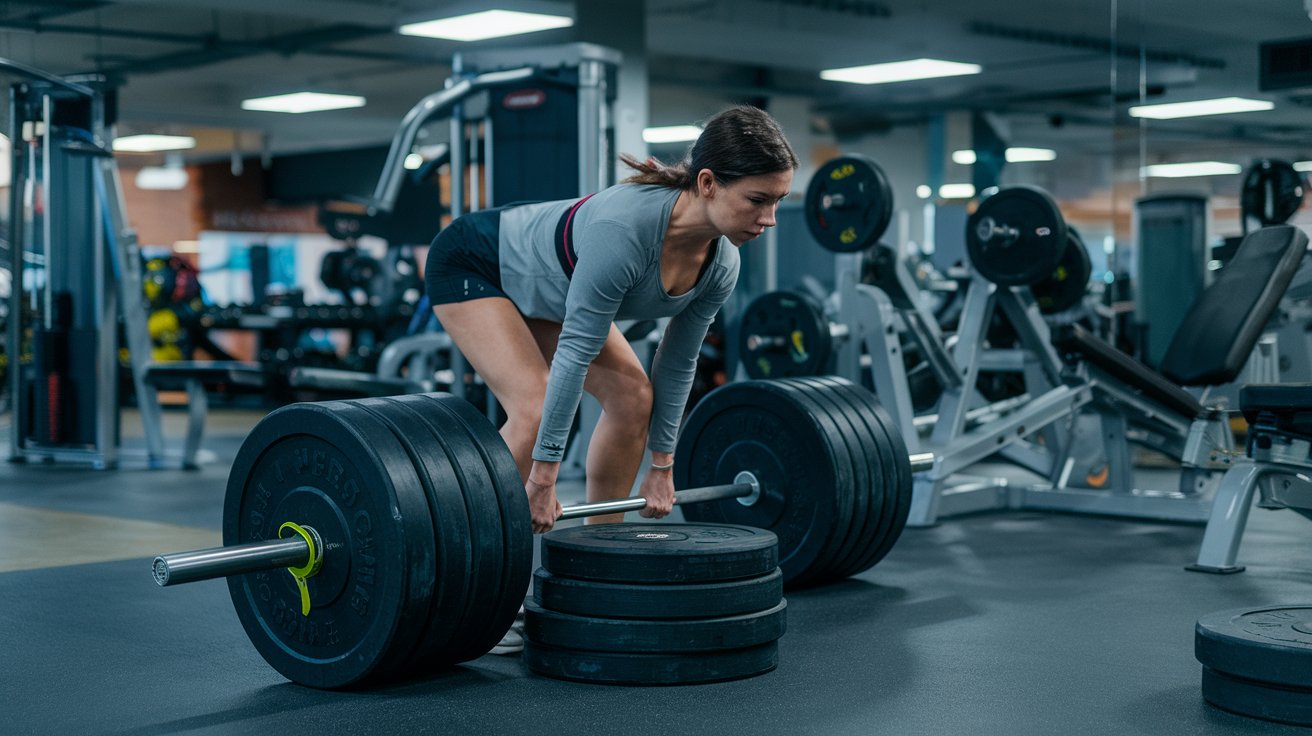
Understanding what is considered heavy lifting for a woman depends on multiple factors including age, fitness level, and specific circumstances like pregnancy or surgery recovery. Generally, lifting over 20-25 pounds is considered heavy for the average untrained woman, while experienced female lifters can safely handle significantly more weight with proper form and progression.
General Heavy Lifting Guidelines for Women
The definition of heavy lifting for women varies significantly based on individual circumstances. For workplace safety standards, the Occupational Safety and Health Administration (OSHA) considers lifting over 23 pounds as potentially hazardous for untrained individuals. However, this baseline doesn’t account for fitness levels, training experience, or proper lifting techniques that can dramatically increase safe lifting capacity.
Research from the American College of Sports Medicine shows that the average woman can lift approximately 20-25 pounds safely without specific strength training. This baseline increases substantially with proper training, with intermediate female lifters often handling 50-75 pounds for compound movements like deadlifts and squats. Advanced female athletes regularly lift 100+ pounds in competitive settings while maintaining excellent safety records.
Age-Related Heavy Lifting Standards
Age significantly impacts what counts as heavy lifting for women. Women in their 20s and 30s typically handle the highest loads, with safe lifting capacity gradually decreasing by approximately 1-2% annually after age 40. Women over 50 should generally consider 15-20 pounds as heavy lifting without specific strength training, while those over 65 may find 10-15 pounds challenging for repetitive tasks.
Fitness Level Impact on Lifting Capacity
Training status dramatically affects how much weight a woman can lift safely. Sedentary women should limit occasional lifting to 15-20 pounds, while recreationally active women can handle 25-35 pounds. Trained female athletes often lift 1.5-2 times their body weight in compound movements, demonstrating how proper conditioning transforms lifting capacity and safety margins.
Medical Considerations for Women’s Heavy Lifting
Medical heavy lifting guidelines provide crucial safety boundaries for various health conditions. Post-surgical patients typically face restrictions ranging from 5-10 pounds for major procedures to 15-20 pounds for minor surgeries, with duration varying from 2-12 weeks depending on procedure complexity and healing progress. These restrictions protect healing tissues and prevent complications that could extend recovery time.
Heavy Lifting Guidelines After Surgery
Post-operative lifting restrictions for women depend on surgery type and location. Abdominal surgeries typically require 4-6 weeks of 5-10 pound limits, while orthopedic procedures may involve 8-12 weeks of modified activity. Cardiac surgery patients often face 6-8 weeks of 5-pound restrictions, with gradual increases based on medical clearance and healing progress.
Pregnancy and Heavy Lifting Safety
Pregnant women face evolving heavy lifting guidelines throughout gestation. First trimester limits typically range from 25-35 pounds for previously active women, decreasing to 15-25 pounds in the second trimester, and 10-20 pounds in the third trimester. These restrictions account for hormonal changes, joint laxity, and center of gravity shifts that increase injury risk.
Strength Training Guidelines for Women
Progressive strength training for females follows specific protocols to safely increase lifting capacity. Beginners should start with bodyweight exercises and 5-15 pound weights, focusing on proper form before increasing load. Intermediate lifters can progress to 15-35 pounds for upper body exercises and 25-75 pounds for lower body movements, depending on the specific exercise and individual capacity.
The principle of progressive overload applies equally to women and men, with safe weight progression typically involving 2.5-5 pound increases for upper body exercises and 5-10 pound increases for lower body movements. This methodical approach minimizes injury risk while maximizing strength gains over time.
Beginner Weight Recommendations for Women
New female lifters should begin with dumbbells weighing 5-12 pounds for upper body exercises like bicep curls, shoulder presses, and chest flies. Lower body exercises can start with 10-20 pounds for goblet squats and Romanian deadlifts. This conservative approach allows proper form development while building foundational strength safely.
Intermediate to Advanced Lifting Weights
Experienced female lifters typically use 15-35 pound dumbbells for upper body work and can deadlift 75-150 pounds depending on body weight and training history. Advanced athletes often squat and deadlift 1.5-2.5 times their body weight, demonstrating the significant strength potential achievable through consistent, progressive training programs.
Workplace Heavy Lifting Standards for Women
Occupational lifting guidelines for females prioritize injury prevention in workplace environments. The National Institute for Occupational Safety and Health (NIOSH) recommends limiting repetitive lifting to 23 pounds for untrained workers, with adjustments based on lift frequency, duration, and ergonomic factors. Many employers implement stricter guidelines, often capping manual lifting at 15-20 pounds for tasks performed multiple times daily.
OSHA Guidelines and Compliance
OSHA mandates that employers provide safe lifting protocols when job tasks exceed recommended weight limits. This includes mechanical lifting aids, team lifting procedures, and proper training programs. Women performing jobs requiring regular lifting above 25 pounds must receive specific training in body mechanics and injury prevention techniques.
Industry-Specific Lifting Standards
Different industries maintain varying heavy lifting standards for women. Healthcare workers face strict 35-pound limits for patient handling, while warehouse workers may handle up to 50 pounds with proper equipment and training. Construction and manufacturing often require team lifting for loads exceeding 30-40 pounds, recognizing the importance of injury prevention in physically demanding environments.
Benefits of Progressive Heavy Lifting for Women
Strength training with progressively heavy weights provides numerous benefits for women beyond simple muscle building. Regular resistance training increases bone density by 1-3% annually, reducing osteoporosis risk significantly. Additionally, heavy lifting boosts metabolism for 24-48 hours post-workout, supporting fat loss and weight management goals more effectively than cardio alone.
Mental health benefits include improved confidence, better sleep quality, and reduced anxiety levels. Women who lift heavy weights report feeling more empowered in daily activities and experience fewer age-related strength declines compared to sedentary peers. These comprehensive benefits make progressive strength training a cornerstone of long-term health and wellness.
Common Myths About Women and Heavy Lifting
Several persistent myths discourage women from engaging in heavy lifting activities. The fear of becoming “bulky” remains widespread despite scientific evidence showing women lack sufficient testosterone for massive muscle growth. Heavy lifting actually creates lean, toned physiques while improving functional strength for daily activities. Another common misconception suggests heavy lifting damages reproductive health, when research actually shows improved pregnancy outcomes and easier labor in strength-trained women.
Related video about what is considered heavy lifting for a woman
This video complements the article information with a practical visual demonstration.
What you should know
What counts as lifting heavy for a woman?
Heavy lifting for women typically starts around 20-25 pounds for untrained individuals. This threshold increases significantly with proper training, where intermediate lifters can safely handle 50-75 pounds for compound exercises. The definition varies based on fitness level, age, and specific circumstances like pregnancy or medical conditions.
How heavy can an average woman lift?
The average untrained woman can safely lift 20-25 pounds occasionally and 15-20 pounds for repetitive tasks. With proper strength training, women can progress to lifting 1.5-2 times their body weight in exercises like deadlifts and squats, demonstrating significant strength potential through progressive training.
Is 25 pounds heavy to lift for a woman?
Yes, 25 pounds is generally considered heavy for untrained women and represents the upper limit for occasional lifting according to workplace safety standards. However, women with strength training experience can handle this weight comfortably and safely progress to much heavier loads with proper technique and conditioning.
How much weight lifting is safe for females?
Safe weight lifting for females depends on training status and proper progression. Beginners should start with 5-15 pounds and increase gradually. Intermediate lifters can safely handle 25-75 pounds depending on the exercise. The key is progressive overload, proper form, and listening to your body while following structured training programs.
What is considered heavy lifting for a woman over 50?
Women over 50 should generally consider 15-20 pounds as heavy lifting without specific strength training. However, with proper conditioning and medical clearance, women in this age group can safely lift much more. Age-related strength decline occurs at 1-2% annually, but resistance training can slow or reverse this process significantly.
What are the medical restrictions for heavy lifting?
Medical heavy lifting restrictions vary by condition. Post-surgical patients typically face 5-20 pound limits for 2-12 weeks depending on procedure type. Pregnant women may limit lifting to 10-35 pounds depending on trimester and fitness level. Always consult healthcare providers for specific medical guidance regarding lifting restrictions.
| Category | Weight Guidelines | Key Benefits |
|---|---|---|
| Untrained Women | 15-25 pounds maximum | Safe daily activities |
| Trained Women | 50-150+ pounds | Increased bone density, metabolism |
| Post-Surgery | 5-20 pounds (temporary) | Proper healing, complication prevention |
| Pregnancy | 10-35 pounds (varies by trimester) | Maintains fitness, easier labor |
| Over 50 | 15-20 pounds (untrained) | Prevents age-related decline |

