
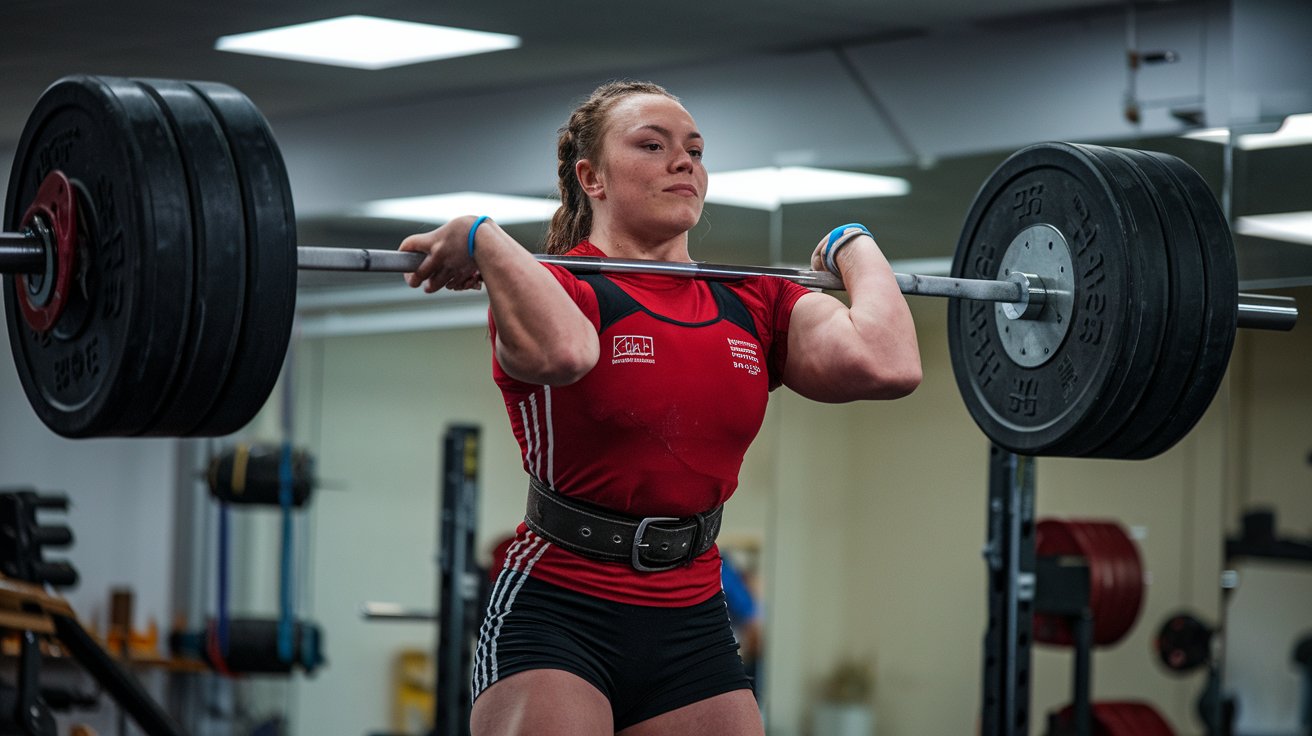
Starting powerlifting as a woman can transform your strength, confidence, and overall fitness. This comprehensive guide covers everything you need to know about how to start powerlifting female, from choosing the right program to mastering proper technique. Whether you’re completely new to lifting or transitioning from other fitness activities, you’ll discover the essential steps to begin your powerlifting journey safely and effectively.
Understanding Powerlifting for Women: What You Need to Know
Powerlifting for women has experienced tremendous growth in the United States, with female powerlifting participation increasing by 47% from 2020 to 2024. The sport focuses on three main lifts: squat, bench press, and deadlift. Unlike bodybuilding or general fitness training, powerlifting emphasizes building maximum strength in these specific movements. Women’s powerlifting competitions have their own weight categories, ranging from 47kg to 84+ kg, allowing athletes to compete against others of similar size and strength levels.
The female powerlifter body develops differently than male lifters due to hormonal differences, muscle fiber composition, and biomechanics. Women typically excel in deadlifting relative to their body weight and often have better recovery rates between training sessions. Understanding these physiological differences is crucial for developing an effective training approach that maximizes your potential while minimizing injury risk.
Essential Equipment and Gym Setup for Female Beginners
Before diving into your first powerlifting beginner workout, you’ll need access to proper equipment. Most commercial gyms in the United States now offer Olympic barbells, power racks, and competition-standard plates. Look for gyms that have dedicated powerlifting areas or strength training sections. The barbell should weigh 45 pounds (20kg) for women, though some gyms offer 35-pound women’s bars that are slightly smaller in diameter.
Essential equipment includes flat-soled shoes or going barefoot for deadlifts, knee sleeves for joint support, and a lifting belt for heavy squats and deadlifts. Many beginners make the mistake of buying expensive equipment immediately. Start with basic gear and invest in quality items as your training progresses and you understand your specific needs better.
Mastering the Big Three: Squat, Bench Press, and Deadlift Technique
Learning proper technique for the three main lifts is absolutely critical for both safety and performance. Each movement has specific biomechanical requirements that must be understood before adding significant weight to the bar.
Squat Technique and Setup for Women
The squat is often considered the most technically demanding lift in powerlifting. For female powerlifting athletes, proper squat technique involves setting up with feet slightly wider than shoulder-width, toes pointed slightly outward. The bar should rest on your upper trapezius muscles, not your neck. Descend by pushing your hips back and knees out, maintaining a neutral spine throughout the movement. Most women find success with a slightly wider stance due to hip anatomy differences.
Bench Press Form and Common Mistakes
The bench press requires precise setup and execution. Lie on the bench with your eyes directly under the barbell. Create a slight arch in your lower back while keeping your shoulders pulled back and down. Grip the bar with hands positioned so your forearms are vertical at the bottom of the movement. Many beginner women struggle with bench press due to naturally lower upper body strength, but consistent practice with proper form yields excellent results over time.
Deadlift Setup and Execution
The deadlift is often where women excel in powerlifting due to naturally strong posterior chain muscles. Set up with the bar over the middle of your foot, approximately one inch from your shins. Grip the bar with hands just outside your legs. Keep your chest up, shoulders back, and drive through your heels to lift the weight. The bar should travel in a straight line up your body, maintaining contact with your legs throughout the movement.
Choosing the Right Beginner Powerlifting Program
Selecting an appropriate female powerlifting program is crucial for long-term success and injury prevention. Popular beginner programs include Starting Strength, StrongLifts 5×5, and 5/3/1 for Beginners. The 5/3/1 method, developed by Jim Wendler, uses percentage-based training that adapts to your current strength levels. This approach is particularly effective for women as it provides structured progression while allowing for individual differences in recovery and strength gains.
Most effective beginner programs focus on training 3-4 times per week, allowing adequate recovery between sessions. Your program should emphasize learning proper technique while gradually increasing weight. Avoid programs that promise rapid strength gains or require training every day, as these often lead to burnout or injury for new lifters.
Nutrition and Recovery Strategies for Female Powerlifters
Proper nutrition plays a vital role in supporting your powerlifting journey. Women need adequate protein intake, typically 0.8-1.2 grams per pound of body weight daily, to support muscle recovery and growth. Carbohydrates provide energy for intense training sessions, while healthy fats support hormone production crucial for recovery and adaptation.
Pre and Post-Workout Nutrition
Timing your nutrition around workouts can significantly impact performance and recovery. Consume a meal containing both protein and carbohydrates 2-3 hours before training. Post-workout nutrition should focus on protein synthesis and glycogen replenishment. A combination of whey protein and fast-digesting carbohydrates within 30 minutes of completing your workout optimizes recovery for your next training session.
Sleep and Recovery Protocols
Quality sleep is non-negotiable for female powerlifters seeking strength gains. Aim for 7-9 hours of sleep nightly, as this is when muscle protein synthesis peaks and growth hormone release occurs. Establish a consistent sleep schedule and create a conducive sleep environment. Many successful female powerlifters also incorporate active recovery methods such as light walking, stretching, or yoga on rest days.
Understanding Pain Signals and When to Stop Training
Distinguishing between normal training discomfort and potentially harmful pain is crucial for any beginner powerlifter. Muscle fatigue and mild soreness 24-48 hours after training is normal and expected. However, sharp, shooting pains during lifting, joint pain that persists beyond normal soreness, or any pain that worsens during movement should be immediate red flags to stop training and seek professional evaluation.
Common warning signs include lower back pain that radiates down your legs during squats or deadlifts, sharp shoulder pain during bench press, or knee pain during squats. When in doubt, err on the side of caution and consult with a qualified healthcare provider who understands the demands of powerlifting. Early intervention often prevents minor issues from becoming major injuries that could sideline your training for months.
Finding Powerlifting Communities and Competition Opportunities
The powerlifting community in the United States is incredibly welcoming to new female lifters. Look for local powerlifting gyms or groups through social media platforms like Instagram and Facebook. Many cities have women’s powerlifting groups that provide mentorship, training partners, and emotional support throughout your journey.
Local Powerlifting Gyms and Training Partners
Search for ‘powerlifting for women near me‘ to find local facilities that cater specifically to strength athletes. These gyms often have experienced coaches, proper equipment, and a supportive atmosphere for beginners. Training with others provides accountability, safety spotting, and valuable feedback on your technique. Many lifters find that group training environments push them to achieve better results than training alone.
Preparing for Your First Competition
Once you’ve been training consistently for 6-12 months, consider entering a local women’s powerlifting competition. Competitions are organized by weight classes and age groups, ensuring fair matchups. Most novice meets are beginner-friendly with helpful officials who guide new competitors through the process. Competition experience, regardless of placement, provides valuable learning opportunities and helps set concrete goals for your training.
Addressing Common Concerns About Women in Powerlifting
Many women hesitate to start powerlifting due to misconceptions about becoming ‘bulky’ or masculine. Scientific research consistently shows that women have significantly lower testosterone levels than men, making it extremely difficult to build large amounts of muscle mass. Instead, powerlifting helps women develop lean muscle, increased bone density, improved metabolism, and enhanced functional strength for daily activities.
Another common concern involves safety and injury risk. When performed with proper technique and appropriate progression, powerlifting has a relatively low injury rate compared to many other sports. The controlled nature of the movements, combined with proper warm-up and recovery protocols, makes powerlifting safer than many high-impact activities like running or recreational sports.
Special Considerations for Women Over 50
Powerlifting for women over 50 requires additional attention to mobility, recovery, and progression rates. Mature women often benefit from longer warm-up periods, more frequent deload weeks, and increased focus on joint health and flexibility. However, research shows that women can continue building strength well into their 60s and beyond with consistent training.
Bone density improvements from resistance training are particularly beneficial for postmenopausal women at risk for osteoporosis. Many women report improved confidence, better sleep, and enhanced quality of life after beginning powerlifting later in life. Starting slowly and working with an experienced coach familiar with training mature athletes ensures safe and effective progression.
Related video about how to start powerlifting female
This video complements the article information with a practical visual demonstration.
Everything you need to know about how to start powerlifting female
How heavy should my first squat be if I’ve never lifted?
For complete beginners, start with just the empty 45-pound barbell to learn proper form. Many women can progress to squatting 65-85 pounds within their first month of training. Focus on technique over weight – proper form prevents injury and creates a foundation for long-term strength gains.
What does powerlifting do to a woman’s body?
Powerlifting builds lean muscle mass, increases bone density, improves metabolism, and enhances functional strength. Women develop a strong, athletic physique without becoming bulky due to naturally lower testosterone levels. Most female powerlifters report improved confidence, better posture, and increased energy levels.
Can you start powerlifting as a complete beginner?
Absolutely! Powerlifting is excellent for beginners because it focuses on fundamental movement patterns everyone uses daily. Start with bodyweight movements, progress to light weights, and gradually increase load as your technique improves. Most people can begin powerlifting safely with proper guidance.
What is the 5/3/1 method for female beginners?
The 5/3/1 method uses percentage-based training across four-week cycles. Week 1: 5 reps at 65%, 75%, 85%. Week 2: 3 reps at 70%, 80%, 90%. Week 3: 5/3/1 reps at 75%, 85%, 95%. Week 4: deload at 40%, 50%, 60%. This systematic approach works excellently for female beginners.
Do I need supplements to start powerlifting as a woman?
Supplements aren’t necessary for beginners. Focus on whole foods providing adequate protein, carbohydrates, and healthy fats. Once you’ve established consistent training and nutrition habits, consider basic supplements like whey protein, creatine monohydrate, and vitamin D3 if blood tests show deficiencies.
How long does it take to see strength gains in female powerlifters?
Most women see noticeable strength improvements within 4-6 weeks of consistent training. Beginners often add 5-10 pounds weekly to their lifts during the first 2-3 months. Strength gains slow after the initial adaptation phase but continue steadily with proper programming and recovery.
| Training Aspect | Female-Specific Recommendations | Expected Benefits |
|---|---|---|
| Starting Weights | Begin with 45lb barbell, progress 5-10lbs weekly | Safe technique development, injury prevention |
| Training Frequency | 3-4 sessions per week with rest days | Optimal recovery, consistent strength gains |
| Nutrition | 0.8-1.2g protein per pound body weight | Muscle recovery, performance improvement |
| Program Selection | 5/3/1, Starting Strength, or StrongLifts 5×5 | Structured progression, long-term success |

