
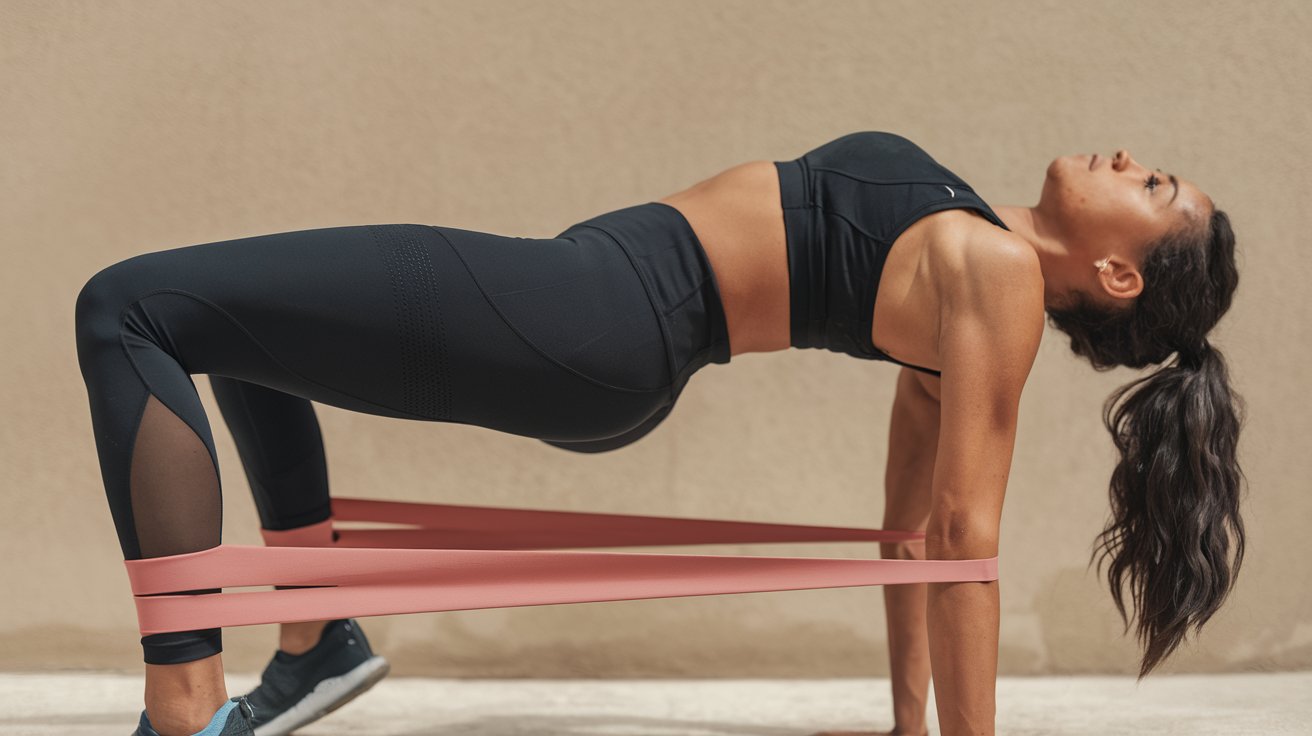
Lower back pain affects over 80% of Americans at some point, with weak glutes being a primary contributor to this widespread issue. Strengthening your glute exercises lower back pain connection through targeted movements can significantly reduce discomfort and prevent future episodes. These evidence-based exercises restore proper hip function, improve posture, and create the muscular support your spine desperately needs for optimal health.
Why Glute Strength Matters for Lower Back Health
Your glutes are the body’s largest muscle group, serving as the powerhouse for hip stability and spinal alignment. When these muscles become weak or inactive, your lower back compensates by taking on excessive stress during daily movements. Research from the American Physical Therapy Association shows that glute strengthening can reduce lower back pain by up to 60% within 8 weeks of consistent training.
The connection between glute weakness and back pain stems from altered movement patterns called compensation mechanisms. When your glutes fail to properly extend your hip during walking, climbing stairs, or lifting objects, your lumbar spine hyperextends to complete the motion. This repetitive stress on spinal joints, ligaments, and muscles creates the perfect storm for chronic lower back pain development.
Essential Glute Bridge Variations for Back Pain Relief
The glute bridge serves as the foundation for all posterior chain strengthening programs, making it the most important exercise for addressing lower back pain. This movement teaches proper hip hinge mechanics while strengthening the glutes in a spine-neutral position, making it safe for individuals experiencing acute back discomfort.
Basic Glute Bridge Technique
Begin by lying on your back with knees bent at 90 degrees and feet flat on the floor, hip-width apart. Engage your core muscles and squeeze your glutes as you lift your hips toward the ceiling, creating a straight line from knees to shoulders. Hold for 2-3 seconds at the top position before slowly lowering with control. Perform 3 sets of 15-20 repetitions, focusing on quality movement over quantity to maximize back pain relief benefits.
Single Leg Glute Bridge Progression
Once you master the basic bridge, progress to the single-leg variation to address strength imbalances that often contribute to lower back pain. Extend one leg straight while performing the bridge motion with the planted leg, maintaining level hips throughout the movement. This advanced progression challenges core stability while intensifying glute strengthening demands, making it highly effective for athletes and fitness enthusiasts seeking comprehensive back pain prevention.
Hip Thrust Exercises for Advanced Glute Development
Hip thrusts represent the gold standard for glute exercises when addressing lower back pain, as they allow for progressive overload while maintaining optimal spinal positioning. Unlike bridges performed on the floor, hip thrusts use an elevated surface to increase range of motion and muscle activation patterns.
Bodyweight Hip Thrust Setup
Position your upper back against a stable bench or couch, with your shoulder blades resting on the edge. Plant your feet firmly on the ground, knees bent at 90 degrees when your hips are at the top position. Drive through your heels while squeezing your glutes to lift your hips, creating maximum tension at the peak contraction. This exercise activates the glutes 40% more than traditional bridges, making it superior for lower back pain management and prevention.
Banded Hip Thrust Modification
Adding resistance bands around your knees during hip thrusts activates the gluteus medius, a crucial stabilizer often overlooked in back pain treatment protocols. The external resistance forces you to maintain proper knee alignment while intensifying lateral glute activation. This combination addresses both sagittal and frontal plane weaknesses that contribute to spinal dysfunction and chronic lower back discomfort.
Functional Movement Patterns for Daily Activities
Incorporating functional glute exercises that mimic daily activities ensures your strength gains translate into real-world back pain prevention. These movements teach your glutes to fire properly during common tasks like lifting, walking, and climbing stairs.
Romanian Deadlift for Hip Hinge Mastery
The Romanian deadlift teaches proper hip hinge mechanics while strengthening the entire posterior chain, making it essential for lower back pain management. Stand with feet hip-width apart, holding light weights or water bottles. Hinge at the hips by pushing your buttocks backward while maintaining a neutral spine, feeling a stretch in your hamstrings. Drive your hips forward by contracting your glutes to return to standing position, emphasizing the hip extension movement pattern that protects your spine during daily lifting activities.
Reverse Lunge with Glute Focus
Reverse lunges emphasize glute strengthening while improving single-leg stability and balance, key components for preventing lower back injuries. Step backward into a lunge position, lowering your back knee toward the ground while keeping most of your weight on your front leg. Push through your front heel and squeeze your glutes to return to starting position. This movement pattern strengthens the glutes in a functional range of motion while challenging the core stabilizers that support your lower back during daily activities.
Safe Exercise Modifications for Acute Back Pain
When experiencing acute lower back pain, certain exercise modifications ensure you can continue strengthening your glutes without aggravating your symptoms. These gentle approaches maintain muscle activation while respecting your body’s current limitations.
Wall Sits with Glute Activation
Wall sits provide a safe, controlled environment for glute strengthening when traditional exercises cause back discomfort. Stand with your back against a wall, sliding down until your thighs are parallel to the ground. Squeeze your glutes while maintaining this position for 30-60 seconds, feeling the muscles work without spinal movement. This isometric exercise builds endurance in the posterior chain while allowing your lower back to remain in a supported, pain-free position.
Supine Glute Squeezes
For individuals with severe back pain, simple glute squeezes performed lying down can maintain muscle activation during acute episodes. Lie on your back with knees bent, focusing solely on contracting your glute muscles without moving your pelvis. Hold each contraction for 10 seconds, performing 10-15 repetitions several times throughout the day. This gentle activation helps prevent muscle shutdown while your lower back heals, maintaining the foundation for more advanced exercises as symptoms improve.
The 8-8-8 Rule for Optimal Glute Development
The 8-8-8 rule provides a systematic approach to glute exercises that maximizes strength gains while minimizing lower back stress. This protocol involves 8 different exercises, performed for 8 repetitions each, across 8 different angles or positions to ensure comprehensive muscle development.
This approach addresses all three glute muscles – the gluteus maximus, medius, and minimus – through varied movement patterns that challenge different muscle fibers. By rotating through 8 exercises targeting different aspects of glute strengthening, you create balanced development that supports optimal spinal alignment and reduces lower back pain risk. The moderate repetition range of 8 allows for strength building without excessive fatigue that could compromise form and increase injury risk.
Creating Your Home-Based Glute Strengthening Routine
Developing a consistent glute exercises routine at home eliminates barriers to regular training while providing the flexibility to modify workouts based on your current back pain levels. A well-structured home program requires minimal equipment while delivering maximum results for lower back pain relief.
Begin with 3 sessions per week, alternating between basic and advanced exercises based on your comfort level. Start each session with gentle glute bridges to activate the muscles, progress to functional movements like reverse lunges, and finish with isometric holds like wall sits. This progression ensures proper muscle recruitment while gradually building the strength and endurance needed for long-term back pain prevention. Consistency matters more than intensity – performing these exercises regularly at moderate intensity produces better outcomes than sporadic high-intensity sessions that risk aggravating your symptoms.
Related video about glute exercises lower back pain
This video complements the article information with a practical visual demonstration.
Questions & Answers
Can glute exercises cause lower back pain?
Properly performed glute exercises should reduce, not cause, lower back pain. However, incorrect form, excessive intensity, or choosing inappropriate exercises for your current condition can temporarily increase discomfort. Start with basic movements like glute bridges, focus on proper technique over repetition count, and progress gradually. If pain increases during or after exercise, consult a healthcare provider to ensure you’re addressing the root cause appropriately.
What glute exercises can I do with lower back pain?
Safe glute exercises for lower back pain include glute bridges, wall sits with glute activation, supine glute squeezes, and modified hip thrusts using a bench. These exercises strengthen the glutes while maintaining spinal neutral position. Avoid exercises that require spinal flexion or rotation when experiencing acute pain. Start with 2-3 exercises, performing 10-15 repetitions with focus on muscle activation rather than range of motion.
Will strengthening glutes help lower back pain?
Yes, strengthening glutes significantly helps lower back pain. Research shows that targeted glute strengthening can reduce lower back pain by 40-60% within 6-8 weeks. Strong glutes improve hip stability, reduce compensatory stress on the lower back, and restore proper movement patterns. The key is consistency – performing glute exercises 3-4 times per week while maintaining proper form throughout the strengthening process.
What is the 8-8-8 rule for glutes?
The 8-8-8 rule is a systematic approach involving 8 different glute exercises, performed for 8 repetitions each, targeting 8 different movement angles or positions. This method ensures comprehensive glute development by addressing all muscle fibers and movement patterns. The moderate repetition range builds strength without excessive fatigue, while the exercise variety prevents muscle adaptation and maintains training effectiveness for optimal lower back pain relief.
How often should I do glute exercises for lower back pain?
Perform glute exercises 3-4 times per week for optimal lower back pain relief, allowing 48 hours recovery between intense sessions. During acute pain episodes, gentle activation exercises can be done daily. Consistency is more important than frequency – regular moderate training produces better results than sporadic intense sessions. Most people see significant improvement within 4-6 weeks of consistent training, with continued benefits developing over 3-6 months of regular practice.
Should I avoid glute exercises if I have a herniated disc?
Glute exercises can be beneficial for herniated disc recovery when performed correctly and with medical clearance. Focus on spine-neutral exercises like glute bridges, avoid spinal flexion movements, and start with gentle isometric contractions. Many physical therapists recommend glute strengthening as part of herniated disc rehabilitation to restore proper hip function and reduce spinal stress. Always consult your healthcare provider before beginning any exercise program with a diagnosed disc injury.
| Exercise Type | Difficulty Level | Primary Benefit |
|---|---|---|
| Glute Bridge | Beginner | Safe spine-neutral strengthening |
| Hip Thrust | Intermediate | Maximum glute activation |
| Romanian Deadlift | Intermediate | Functional movement pattern |
| Single Leg Bridge | Advanced | Corrects muscle imbalances |
| Wall Sit | Beginner | Acute pain management |

