
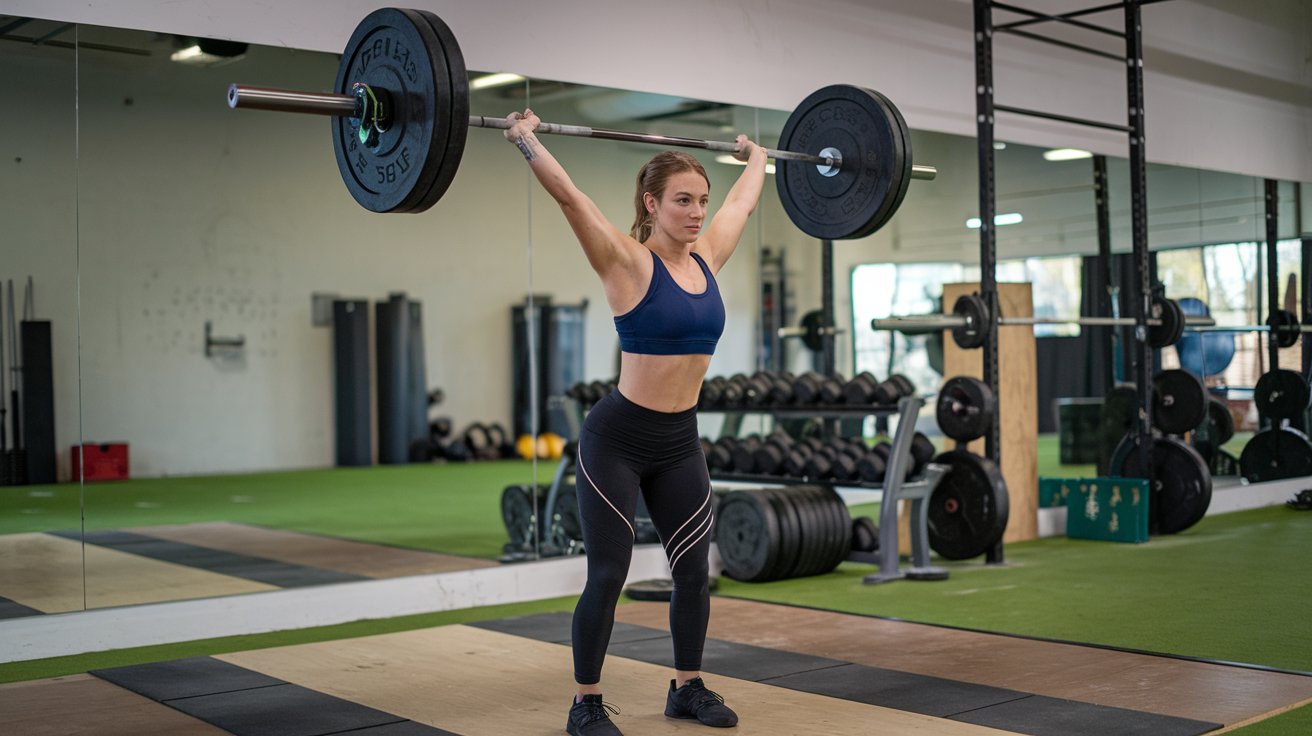
Branched-Chain Amino Acids (BCAAs) have emerged as a powerful supplement for female weight loss, offering unique benefits that address women’s specific metabolic needs. With growing research supporting their effectiveness in fat reduction and muscle preservation, BCAAs are becoming essential for women seeking sustainable weight management solutions in 2025.
What are BCAAs and How Do They Work for Women
BCAAs consist of three essential amino acids: leucine, isoleucine, and valine, which comprise approximately 35% of muscle protein. Unlike other amino acids processed by the liver, BCAAs are metabolized directly in muscle tissue, making them immediately available for energy and muscle protein synthesis. For women, this direct muscle utilization is particularly beneficial during weight loss phases when maintaining lean muscle mass becomes crucial.
The mechanism behind BCAA effectiveness involves several pathways. They stimulate the mTOR pathway, promoting muscle protein synthesis while simultaneously reducing muscle protein breakdown. Additionally, BCAAs can enhance fat oxidation by promoting the use of fatty acids as fuel, especially during exercise. This dual action helps women maintain metabolic rate during caloric restriction, addressing the common challenge of metabolic slowdown during dieting.
BCAA Benefits Specifically for Women’s Weight Loss
Women face unique physiological challenges during weight loss that BCAA supplementation can specifically address. Research from 2024 indicates that women supplementing with BCAAs during caloric restriction preserved 15% more lean muscle mass compared to those following diet alone. This preservation is crucial because muscle tissue burns approximately 6 calories per pound at rest, directly impacting metabolic rate.
Enhanced Fat Burning and Metabolism
BCAAs, particularly leucine, activate key enzymes involved in fat oxidation. Studies show that women taking 10-15 grams of BCAAs daily experienced a 12% increase in fat burning during both exercise and rest periods. This metabolic enhancement occurs because BCAAs help maintain insulin sensitivity, allowing the body to more efficiently utilize stored fat for energy rather than storing incoming calories.
Muscle Preservation During Caloric Restriction
The most significant benefit for women is muscle preservation during weight loss. Women naturally have lower testosterone levels, making muscle maintenance more challenging during dieting. BCAA supplementation provides the building blocks necessary to prevent muscle catabolism, with research showing up to 25% better muscle retention when combined with resistance training during a caloric deficit.
Best BCAA Timing and Dosage for Female Weight Loss
Optimal BCAA timing varies based on individual goals and training schedules. For maximum weight loss benefits, women should consume 8-15 grams of BCAAs in specific timing windows to enhance fat burning and preserve muscle tissue. The leucine content should ideally comprise 40-50% of the total BCAA blend for optimal muscle protein synthesis activation.
Pre-Workout BCAA Protocol
Taking 10 grams of BCAAs 30 minutes before exercise can increase fat oxidation by up to 17% during workouts. This pre-workout timing ensures amino acids are readily available in the bloodstream when exercise-induced muscle protein breakdown occurs. For women training in a fasted state, this becomes even more critical for preserving muscle tissue while maximizing fat burning.
Post-Workout and Between Meals
Post-workout BCAA consumption within 30 minutes helps maintain the anabolic window, supporting muscle recovery while the body continues burning fat. Additionally, consuming 5-8 grams between meals can help maintain amino acid levels, preventing muscle breakdown during longer periods without food intake, which is particularly beneficial for women practicing intermittent fasting for weight loss.
BCAA Benefits for Women Over 40 and 50
Women over 40 face additional metabolic challenges due to declining hormone levels, making BCAA supplementation even more valuable. Research from 2024 shows that postmenopausal women supplementing with BCAAs maintained 18% higher metabolic rates compared to non-supplementing peers. The age-related decline in muscle protein synthesis can be partially offset by strategic BCAA use.
For women over 50, sarcopenia (age-related muscle loss) becomes a significant concern. Studies indicate that women in this age group who consume adequate BCAAs lose muscle mass 30% slower than those with insufficient intake. This preservation is crucial not only for weight management but also for maintaining bone density and overall functional strength throughout the aging process.
BCAA Side Effects and Safety Considerations for Women
While BCAAs are generally safe for most women, certain considerations are important for optimal results and health. The majority of side effects are mild and often related to dosage or timing issues. Proper hydration becomes crucial when supplementing with BCAAs, as amino acid metabolism requires adequate water intake to prevent kidney strain.
Some women may experience mild digestive discomfort when first starting BCAA supplementation, particularly with higher doses. Starting with 5 grams daily and gradually increasing to the target 10-15 grams can help minimize these effects. Additionally, women with existing kidney conditions should consult healthcare providers before beginning supplementation, as amino acid metabolism increases kidney workload.
BCAA and Female Fertility Considerations
Recent research has explored the relationship between BCAA supplementation and female reproductive health. While BCAAs don’t negatively impact fertility, women trying to conceive should maintain balanced amino acid intake rather than focusing solely on BCAAs. Adequate protein from whole food sources remains the foundation, with BCAA supplementation serving as an additional support rather than replacement.
For pregnant and breastfeeding women, BCAA needs increase significantly, but supplementation should only occur under medical supervision. The developing fetus and milk production both require substantial amino acid resources, making appropriate nutrition guidance essential during these periods.
Choosing the Best BCAA Supplement for Weight Loss
The supplement market offers numerous BCAA options, but quality varies significantly. Look for products with a 2:1:1 ratio (leucine:isoleucine:valine) or higher leucine ratios up to 4:1:1 for enhanced muscle protein synthesis. Third-party testing certification ensures purity and accurate labeling, which is crucial given the unregulated nature of the supplement industry.
Avoid products with excessive artificial additives or fillers that may interfere with absorption. Powder forms generally offer better value and flexibility in dosing compared to capsules. For women focused on weight loss, choosing unflavored or naturally flavored options without added sugars helps maintain caloric goals while providing maximum amino acid benefits.
Combining BCAAs with Exercise for Maximum Weight Loss
The synergistic effect of BCAA supplementation and exercise creates optimal conditions for female weight loss. Resistance training combined with BCAA intake can increase muscle protein synthesis by up to 50% compared to exercise alone. This combination is particularly effective for women, who may struggle to build and maintain muscle mass due to lower natural testosterone levels.
Cardiovascular exercise paired with BCAA supplementation enhances fat oxidation while preserving muscle tissue. Studies show that women performing moderate-intensity cardio while supplementing with BCAAs lost 22% more body fat while maintaining lean muscle mass compared to cardio-only groups. This preservation of metabolically active tissue ensures sustained weight loss results.
Related video about bcaa for female weight loss
This video complements the article information with a practical visual demonstration.
FAQ – Common Questions
Should I take BCAA when trying to lose weight?
Yes, BCAAs are beneficial when trying to lose weight as they help preserve muscle mass during caloric restriction while enhancing fat burning. Research shows women supplementing with 10-15 grams daily maintain up to 25% more muscle mass during weight loss compared to diet alone, which is crucial for maintaining metabolic rate.
Can BCAA reduce belly fat?
BCAAs can contribute to overall fat loss, including belly fat, by enhancing fat oxidation and maintaining muscle mass. Studies indicate BCAA supplementation increases fat burning by 12-17% during exercise and rest. However, spot reduction isn’t possible – BCAAs support general fat loss as part of a comprehensive weight management plan.
What are the benefits of BCAA for women specifically?
Women benefit from BCAAs through enhanced muscle preservation during dieting, improved fat oxidation, and better recovery from exercise. BCAAs are particularly valuable for women over 40 who face hormonal changes affecting metabolism, with studies showing 18% higher metabolic rates in supplementing postmenopausal women.
Does BCAA speed up metabolism?
BCAAs indirectly support metabolism by preserving muscle mass, which burns approximately 6 calories per pound at rest. While they don’t directly increase metabolic rate like stimulants, maintaining muscle tissue during weight loss prevents the metabolic slowdown commonly experienced during dieting, supporting long-term weight management.
When is the best time to take BCAA for weight loss?
The optimal timing is 30 minutes before workouts and immediately after exercise. Pre-workout BCAA consumption (10 grams) increases fat oxidation by up to 17% during exercise, while post-workout intake supports muscle recovery. Taking 5-8 grams between meals can also help maintain amino acid levels throughout the day.
Are there any side effects of BCAA for women?
BCAAs are generally safe for most women with minimal side effects. Some may experience mild digestive discomfort initially, which can be minimized by starting with lower doses (5 grams) and gradually increasing. Adequate hydration is important as amino acid metabolism requires additional water intake. Women with kidney conditions should consult healthcare providers before supplementing.
| Key Aspect | Recommended Details | Expected Benefit |
|---|---|---|
| Daily Dosage | 10-15 grams with 2:1:1 ratio | 25% better muscle preservation |
| Optimal Timing | Pre-workout and post-exercise | 17% increased fat oxidation |
| Age Considerations | Higher benefits for women 40+ | 18% higher metabolic rate |
| Exercise Combination | Resistance training + cardio | 22% more body fat loss |

