
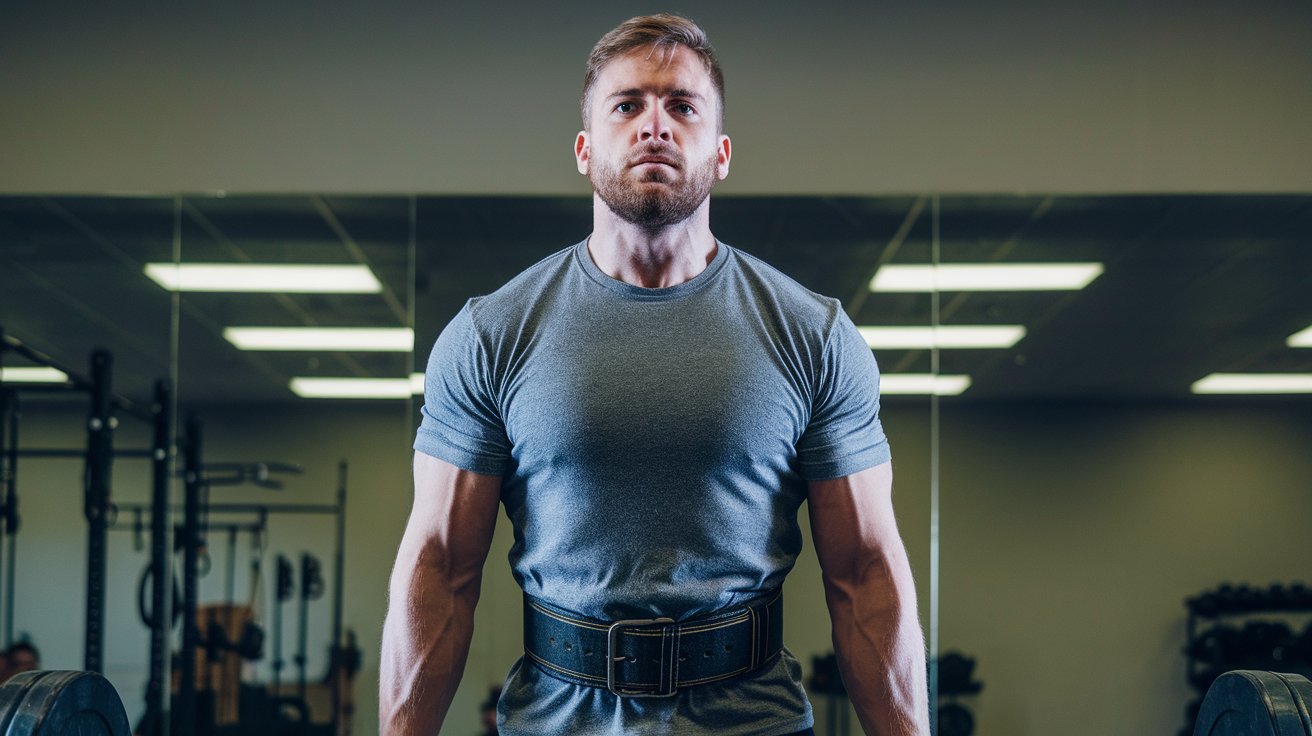
Whether you need a belt for deadlifts depends on your training goals, experience level, and the weight you’re lifting. While belts can increase intra-abdominal pressure by 15-40% and potentially boost performance, they’re not mandatory for effective deadlifting. Most experts recommend starting beltless and considering a lifting belt when consistently lifting 1.5x your bodyweight or focusing on maximum strength development.
Understanding Deadlifts and Belt Mechanics
The deadlift is a compound movement that engages your entire posterior chain, requiring significant core stability to maintain proper spinal alignment. A lifting belt works by providing external support that allows you to create greater intra-abdominal pressure, essentially turning your midsection into a more rigid cylinder. This increased pressure can improve spinal stability by 10-15% according to 2024 biomechanical research from the National Strength and Conditioning Association.
When you wear a belt for deadlift exercises, you’re not actually supporting your back directly. Instead, the belt provides a surface to push your abdominal muscles against, creating a hydraulic effect that stabilizes your spine. This mechanism explains why proper belt placement and breathing technique are crucial for effectiveness. The weight threshold where belts become beneficial varies significantly among individuals, but research suggests noticeable benefits typically begin around 80-85% of your one-rep maximum.
Benefits and Drawbacks of Using a Deadlift Belt
Using a deadlift belt offers several scientifically-proven advantages that can enhance your training performance. Studies from 2024 show that experienced lifters can increase their deadlift performance by 5-15% when using a properly fitted belt. The primary benefit is enhanced spinal stability, which allows you to handle heavier loads more safely while maintaining proper form. Additionally, the increased intra-abdominal pressure can reduce compression forces on the spine by approximately 10-15%.
However, there are significant drawbacks to consider before incorporating a belt for deadlift and squat training. Over-reliance on belts can lead to weakened core muscles over time, as your natural stabilization system becomes dependent on external support. This dependency can actually increase injury risk when lifting without a belt. Furthermore, beginners who use belts too early may never develop proper breathing patterns and core engagement techniques, limiting their long-term strength development potential.
Who Should Wear a Belt for Deadlifts
Powerlifters and competitive strength athletes represent the primary demographic that should consistently use belts for maximum deadlift attempts. Competition rules in most powerlifting federations allow belt usage, and elite lifters routinely achieve 5-10% performance improvements with proper belt implementation. If your goal is to maximize your one-rep max or compete in strength sports, a lifting belt becomes an essential piece of equipment rather than an optional accessory.
Recreational lifters and bodybuilders have more flexibility in their belt usage decisions. Those focused on muscle hypertrophy may benefit from training both with and without belts to ensure comprehensive core development. Advanced lifters who have plateaued in their deadlift progress might find that strategic belt usage during heavy training cycles can help break through sticking points. However, maintaining some beltless training ensures your natural core strength continues developing alongside your supported lifts.
When Should You Start Using a Belt for Deadlifts
At what weight should I use a belt for deadlifts is one of the most common questions among intermediate lifters. Most strength coaches recommend considering a belt when you can consistently deadlift 1.5-2 times your body weight with proper form. For a 180-pound lifter, this translates to approximately 270-360 pounds. However, the decision should be based more on training experience and goals rather than absolute weight numbers alone.
The timing of belt introduction varies significantly based on individual factors and training objectives. Beginners should focus on developing proper movement patterns and core strength for at least 6-12 months before considering belt usage. Intermediate lifters working in the 80-90% intensity range may benefit from incorporating belts during their heaviest training sessions while maintaining beltless work for volume training. Advanced lifters often use periodized approaches, cycling between beltless phases for core development and belted phases for peak strength expression.
How to Properly Wear a Belt for Deadlifts
Proper belt placement is crucial for maximizing the benefits of using a lifting belt during deadlifts. The belt should sit across your lower back and front of your abdomen, typically positioned just above your hip bones and below your ribcage. Unlike squats, where the belt might sit slightly higher, deadlift belt placement should allow for maximum hip hinge mobility while still providing core support. The belt should be tight enough to resist your abdominal expansion but not so tight that it restricts breathing or movement.
Your breathing technique becomes even more critical when wearing a belt for deadlift training. Before initiating the lift, take a deep breath and expand your abdomen against the belt, creating maximum intra-abdominal pressure. Maintain this pressure throughout the entire concentric portion of the lift, only releasing it at the top or during the eccentric phase. This breathing pattern, known as the Valsalva maneuver, is essential for generating the hydraulic core stability that makes belt usage effective.
Best Types of Belts for Different Training Goals
Selecting the right type of deadlift belt depends heavily on your specific training goals and lifting style. The market offers several distinct categories, each optimized for different applications and user preferences. Understanding these differences can significantly impact your training effectiveness and long-term satisfaction with your equipment investment.
Powerlifting Belt Specifications
Powerlifting belts are designed for maximum support during heavy singles and competition lifts. These belts typically measure 4 inches wide all around and 10-13mm thick, constructed from leather or high-quality synthetic materials. The uniform width provides consistent support across your entire core, making them ideal for both deadlifts and squats. Competition-legal powerlifting belts must meet specific IPF or USAPL standards, which many manufacturers clearly indicate on their best deadlift belt options available through retailers like Amazon.
Bodybuilding and General Fitness Belts
Bodybuilding belts often feature a wider back section (6 inches) tapering to a narrower front (4 inches), providing excellent lower back support while allowing greater abdominal mobility. These belts work exceptionally well for high-volume training and are often more comfortable during extended workout sessions. General fitness enthusiasts may prefer these versatile options since they accommodate various exercises beyond just deadlifts, making them cost-effective choices for home gym setups.
Common Belt Usage Mistakes and Safety Considerations
Many lifters make critical errors when implementing belt usage into their deadlift training, potentially reducing effectiveness or increasing injury risk. The most common mistake is wearing the belt too high, which can restrict hip mobility and interfere with proper deadlift mechanics. Another frequent error is over-tightening the belt, which can impair breathing and actually reduce the hydraulic pressure effect you’re trying to create. The belt should be snug but allow for proper abdominal expansion.
Safety considerations extend beyond just proper fit and placement. Never rely on a lifting belt to compensate for poor technique or inadequate warm-up. The belt should enhance good movement patterns, not mask deficiencies. Additionally, avoid wearing belts for extended periods during your workout, as this can lead to blood pressure spikes and unnecessary fatigue. Remove the belt between heavy sets and during warm-up exercises to maintain normal circulation and core activation patterns.
Training Programming with and without Belts
Effective programming should incorporate both belted and beltless deadlifting to maximize strength development while maintaining core stability. A common approach is the 80/20 rule, where 80% of your deadlift volume is performed without a belt to develop natural core strength, while 20% utilizes a belt for maximum load exposure. This balance ensures you develop both supported and unsupported strength capabilities.
Periodization strategies can optimize belt usage timing throughout your training cycles. During accumulation phases focused on volume and technique development, minimize belt usage to emphasize movement quality and core development. As you transition into intensification phases leading up to competition or testing, increase the percentage of belted work to prepare your body for maximum loads. This approach ensures you can perform optimally both with and without external support when needed.
Deadlift Straps vs Belts: Understanding the Difference
Many beginners confuse deadlift straps with belts, but these accessories serve completely different purposes in your training arsenal. Straps assist with grip strength by creating a mechanical connection between your hands and the barbell, allowing you to focus on pulling mechanics without grip limitations. Belts, conversely, provide core stability and spinal support. These accessories can be used together or independently based on your specific training needs and weaknesses.
The decision between using straps or belts often depends on your limiting factors during deadlifts. If your grip fails before your legs and back, straps may provide greater training benefits. If your core stability limits your ability to maintain proper spinal position under heavy loads, a belt becomes more valuable. Advanced lifters often use both accessories strategically, with straps during high-volume sessions and belts during maximum strength training phases.
Cost Considerations and Where to Buy Quality Belts
Investment in a quality lifting belt represents a long-term commitment to your training, with good belts lasting 5-10 years with proper care. Entry-level belts suitable for general fitness typically cost $30-60, while premium powerlifting belts can range from $80-200. Deadlift Belt Amazon listings offer convenient comparison shopping, but ensure you’re purchasing from reputable manufacturers with good return policies and customer service.
When evaluating cost versus value, consider the belt’s construction quality, warranty coverage, and versatility across different exercises. A single high-quality belt for deadlift and squat training often provides better value than multiple cheaper belts that may fail prematurely. Look for genuine leather construction, quality hardware, and positive reviews from experienced lifters. Many manufacturers offer sizing guides and fitting consultations to ensure you select the optimal belt for your body type and training goals.
Related video about do you need a belt for deadlifts
This video complements the article information with a practical visual demonstration.
Essential Q&A about do you need a belt for deadlifts
Should you wear a belt when deadlifting?
You should wear a belt when deadlifting if you’re lifting heavy loads (typically 80%+ of your max), competing in powerlifting, or working to break through strength plateaus. However, belts aren’t necessary for most recreational lifters and beginners should develop natural core strength before using one.
At what weight should I use a belt for deadlifts?
Most experts recommend considering a belt when you can consistently deadlift 1.5-2 times your body weight. This typically translates to 270-360 pounds for a 180-pound lifter. However, training experience and goals matter more than absolute weight numbers.
Should you do deadlifts without a belt?
Yes, you should regularly deadlift without a belt to develop natural core strength and proper breathing patterns. Many coaches recommend doing 80% of your deadlift volume beltless and only using belts for maximum effort attempts or competition preparation.
Do you need deadlift straps?
Deadlift straps are useful when grip strength becomes the limiting factor in your pulls, typically when deadlifting over 2x body weight. They allow you to focus on pulling mechanics without grip limitations, but shouldn’t replace grip strength development entirely.
What’s the best deadlift belt for beginners?
Beginners should start with a 4-inch leather belt from reputable manufacturers like Inzer, SBD, or Pioneer. Look for belts with good customer reviews, proper sizing guides, and single-prong buckles for ease of adjustment. Expect to invest $60-120 for quality options.
Can wearing a belt make deadlifts harder?
Initially, wearing a belt may make deadlifts feel more difficult as you learn proper breathing techniques and belt positioning. However, once mastered, belts typically increase performance by 5-15% through enhanced core stability and increased intra-abdominal pressure.
| Training Level | Belt Recommendation | Key Benefits |
|---|---|---|
| Beginner (0-12 months) | No belt recommended | Develop natural core strength and proper form |
| Intermediate (1-3 years) | Belt for heavy sets (80%+ max) | Break plateaus while maintaining core development |
| Advanced/Competitive | Strategic belt usage throughout program | Maximum performance and competition preparation |
| General Fitness | Optional based on goals | Enhanced safety during heavier training phases |

