
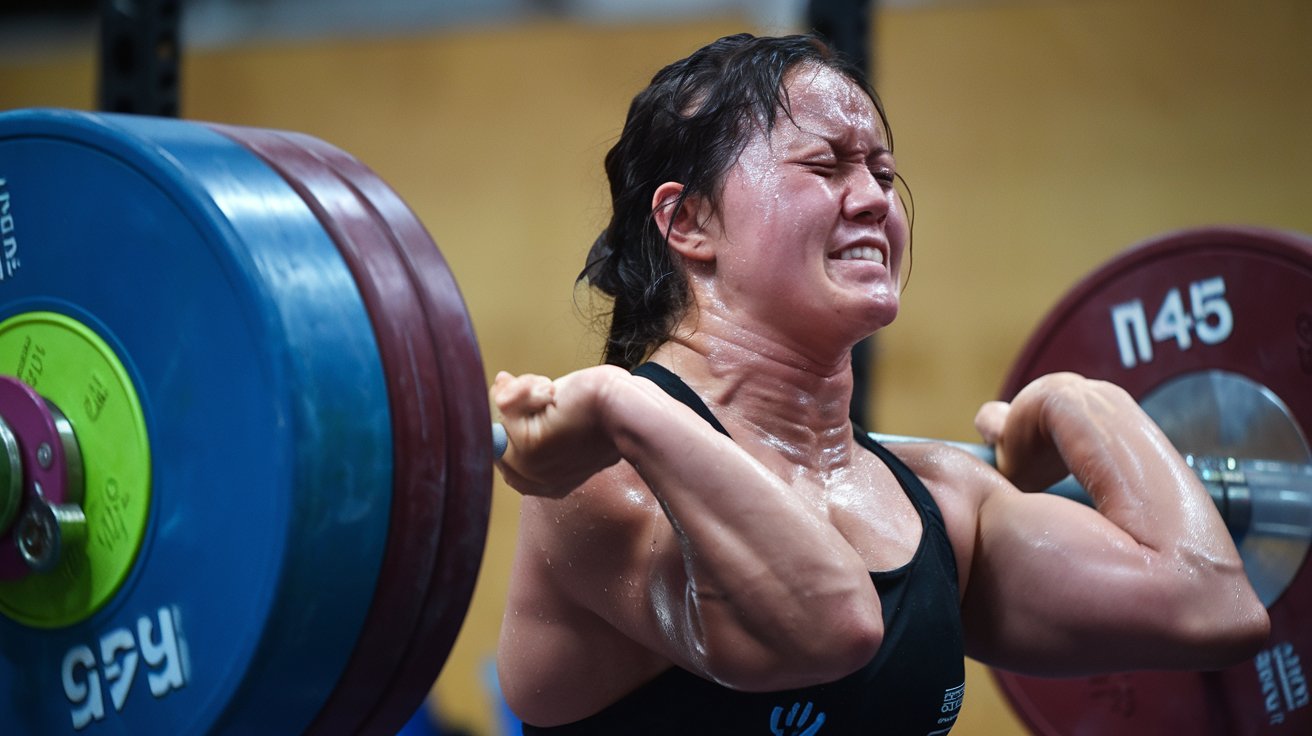
Understanding what is considered heavy weights for a woman is crucial for effective strength training and achieving fitness goals. Heavy weights vary significantly based on individual fitness level, training experience, body weight, and age. Generally, heavy lifting for women ranges from 70-85% of your one-repetition maximum (1RM), but specific weight ranges depend on the exercise and your personal strength baseline.
Understanding Heavy Weight Classifications for Women
The definition of heavy weights for women differs from traditional male-centered weightlifting standards. In 2025, fitness professionals recognize that women’s strength training requires individualized approaches. Heavy lifting typically represents weights that challenge you to complete 1-5 repetitions with proper form before muscle fatigue occurs.
According to recent American College of Sports Medicine guidelines, heavy weight lifting for women constitutes loads between 85-100% of your maximum capacity for a given exercise. However, functional heavy weights often fall within the 70-85% range, allowing for multiple repetitions while still providing significant strength-building stimulus.
Beginner Heavy Weight Standards
For women new to strength training, heavy weights typically start around 15-25 pounds for upper body exercises like bench press or rows. Lower body exercises can handle significantly more weight, with squats and deadlifts ranging from 45-95 pounds being considered challenging for beginners. These ranges represent weights that allow 6-8 repetitions with proper form before reaching muscle fatigue.
Intermediate to Advanced Standards
Intermediate women lifters often handle heavy weights of 35-65 pounds for upper body compound movements and 95-185 pounds for lower body exercises. Advanced female athletes may lift their body weight or more in exercises like deadlifts and squats. A 150-pound woman might deadlift 150-225 pounds as heavy weight depending on her training history and strength development.
Age-Specific Heavy Weight Guidelines
Age significantly impacts what is considered heavy weights for a woman, with hormonal changes, bone density, and muscle mass affecting lifting capacity. Women in their 20s and 30s typically handle the highest relative loads, while those over 50 require modified approaches to maintain safety and effectiveness in their strength training programs.
Research from the National Strength and Conditioning Association shows that women over 50 can still engage in heavy lifting, but their heavy weight thresholds may be 15-25% lower than younger counterparts. This adjustment accounts for natural muscle mass decline and joint considerations that come with aging.
Heavy Weights for Women Over 50
Women over 50 should define heavy weights as loads requiring significant effort within 8-12 repetitions rather than maximum single efforts. Upper body heavy weights might range from 12-35 pounds, while lower body exercises could involve 35-125 pounds. The focus shifts from absolute strength to maintaining functional strength and bone density through progressive overload.
Young Adult Women (20s-30s) Standards
Women in their prime strength years can typically handle the most aggressive heavy weight lifting protocols. Upper body heavy weights often range from 25-75 pounds for compound movements, while lower body exercises may involve 75-250 pounds depending on the specific lift. These women can safely train at 80-90% of their maximum capacity more frequently than older demographics.
Exercise-Specific Heavy Weight Ranges
Different exercises require vastly different weight ranges to be considered heavy lifting for women. Understanding these exercise-specific standards helps create realistic expectations and progressive training plans. The following ranges represent typical heavy weights for common strength training exercises based on 2024-2025 fitness industry data.
Upper Body Heavy Weight Standards
For arm toning and strengthening, heavy dumbbells typically range from 15-40 pounds for exercises like bicep curls and tricep extensions. Bench pressing heavy weights for women usually falls between 65-135 pounds, while overhead pressing might involve 35-85 pounds. These ranges assume intermediate training experience and proper progressive overload implementation.
Lower Body Heavy Weight Guidelines
Lower body exercises allow for much heavier loads due to larger muscle groups. Heavy squats for women typically range from 95-225 pounds, while deadlifts can reach 115-275 pounds for intermediate to advanced lifters. Hip thrusts and Romanian deadlifts might involve 85-205 pounds when performed as heavy lifting exercises.
How to Determine Your Personal Heavy Weight Range
Determining what qualifies as heavy weight lifting for your individual situation requires assessment of current strength levels, training goals, and physical limitations. The most effective approach involves systematic testing and progressive overload principles rather than comparing yourself to generic standards or social media benchmarks.
Professional trainers recommend starting with a weight that allows 12-15 repetitions with good form, then gradually increasing load by 5-10% weekly until you reach your target rep range. For heavy lifting, aim for weights that challenge you within 3-8 repetitions while maintaining proper technique throughout the movement.
Testing Your One-Rep Maximum Safely
Finding your maximum lifting capacity should be done gradually and with proper supervision. Use prediction formulas based on submaximal lifts rather than attempting true 1RM tests until you have significant training experience. A weight you can lift 5 times represents approximately 85-90% of your maximum, making it an effective heavy weight for strength building.
Progressive Overload for Heavy Lifting
Implementing progressive overload means gradually increasing the challenge through weight, repetitions, or training frequency. Start with weights that feel moderately challenging (7-8 out of 10 effort level) and increase by 2.5-5 pounds weekly for upper body exercises and 5-10 pounds for lower body movements until you reach your heavy lifting targets.
Health Benefits of Heavy Weight Lifting for Women
Heavy weight lifting provides numerous physiological and psychological benefits specifically important for women’s health. Research consistently shows that women who engage in regular heavy resistance training experience improved bone density, enhanced metabolic function, and reduced risk of age-related muscle loss more effectively than those using lighter weights with higher repetitions.
The American Journal of Sports Medicine reports that women who lift heavy weights 2-3 times per week show 2-4% annual increases in bone mineral density, particularly important for preventing osteoporosis. Additionally, heavy lifting creates superior metabolic adaptations, increasing resting metabolic rate by 7-10% for up to 48 hours post-exercise.
Bone Density and Osteoporosis Prevention
Heavy resistance training creates mechanical stress that stimulates osteoblast activity, leading to increased bone formation. Women who consistently lift heavy weights show significantly higher bone mineral density in the spine and hips compared to those doing cardio-only routines. This benefit becomes increasingly important as women approach and pass menopause when bone loss accelerates.
Muscle Building and Fat Loss
Contrary to common myths, heavy lifting for women promotes lean muscle development without excessive bulk due to lower testosterone levels. Heavy weights create optimal conditions for muscle protein synthesis, leading to improved body composition through increased muscle mass and reduced body fat percentage. This combination enhances functional strength and metabolic health.
Common Myths About Women and Heavy Weights
Persistent misconceptions about women lifting heavy weights continue to limit many from reaching their full strength potential. These myths often stem from outdated gender stereotypes and misunderstanding of female physiology. Modern sports science clearly demonstrates that women can safely and effectively engage in heavy resistance training with appropriate programming and progression.
One prevalent myth suggests that heavy weight lifting will make women bulky or masculine. However, women have significantly lower testosterone levels than men, making it physiologically difficult to develop excessive muscle mass. Instead, heavy lifting creates lean, defined musculature that enhances feminine strength and athletic performance.
Safety Considerations and Injury Prevention
Safe heavy weight lifting requires proper form, adequate warm-up, and progressive loading strategies. Women engaging in heavy resistance training should prioritize technique over absolute weight lifted, especially during the learning phase. Working with qualified trainers or experienced spotters becomes crucial when attempting weights near your maximum capacity.
Pre-exercise preparation should include dynamic warm-up movements specific to the planned exercises, followed by gradual load increases to prepare the nervous system and joints for heavy lifting. Post-workout recovery protocols, including adequate protein intake and sleep, support the adaptations that make heavier weights possible over time.
Related video about what is considered heavy weights for a woman
This video complements the article information with a practical visual demonstration.
Your questions answered
How heavy is heavy for a woman?
Heavy weights for women typically represent 70-85% of your one-repetition maximum, varying by exercise and experience level. For beginners, this might be 15-25 pounds for upper body and 45-95 pounds for lower body exercises. Advanced women might lift their body weight or more in compound movements like deadlifts and squats.
Is 25 pounds heavy to lift for a woman?
Twenty-five pounds can be considered heavy depending on the exercise and your fitness level. For bicep curls or shoulder presses, 25 pounds is heavy for most women. For squats or deadlifts, 25 pounds would be light for most intermediate lifters but appropriate for complete beginners learning proper form.
What qualifies as heavy weight lifting?
Heavy weight lifting qualifies as using loads that limit you to 1-6 repetitions with maximum effort, typically 85-100% of your one-rep maximum. For practical training purposes, weights allowing 6-8 repetitions with proper form before muscle fatigue also qualify as heavy lifting for strength and muscle-building goals.
How much weight should a woman lift to tone her arms?
For arm toning, women should use weights that challenge them within 8-15 repetitions. This typically ranges from 8-25 pounds for bicep curls, 10-30 pounds for tricep exercises, and 15-40 pounds for rowing movements. Progressive overload by increasing weight gradually ensures continued toning and strength gains.
What is considered heavy lifting medically?
Medically, heavy lifting is often defined as repeatedly lifting objects over 23 pounds or occasionally lifting items over 50 pounds in occupational settings. However, for fitness purposes, heavy lifting refers to weights requiring significant muscular effort, typically 70-90% of your maximum capacity for specific exercises.
What weight dumbbells should a female use in kg?
Female dumbbell weights typically range from 2-20 kg (4.4-44 pounds) depending on the exercise and fitness level. Beginners might start with 2-6 kg for upper body exercises, while intermediate lifters often use 6-15 kg. Advanced women may use 15-20 kg or heavier for compound dumbbell movements like rows or presses.
| Training Level | Upper Body Heavy Weights | Lower Body Heavy Weights | Key Benefits |
|---|---|---|---|
| Beginner | 15-25 lbs | 45-95 lbs | Foundation building, form development |
| Intermediate | 25-50 lbs | 95-185 lbs | Strength gains, muscle development |
| Advanced | 50+ lbs | 185+ lbs | Maximum strength, athletic performance |
| Over 50 | 12-35 lbs | 35-125 lbs | Bone density, functional strength |

