
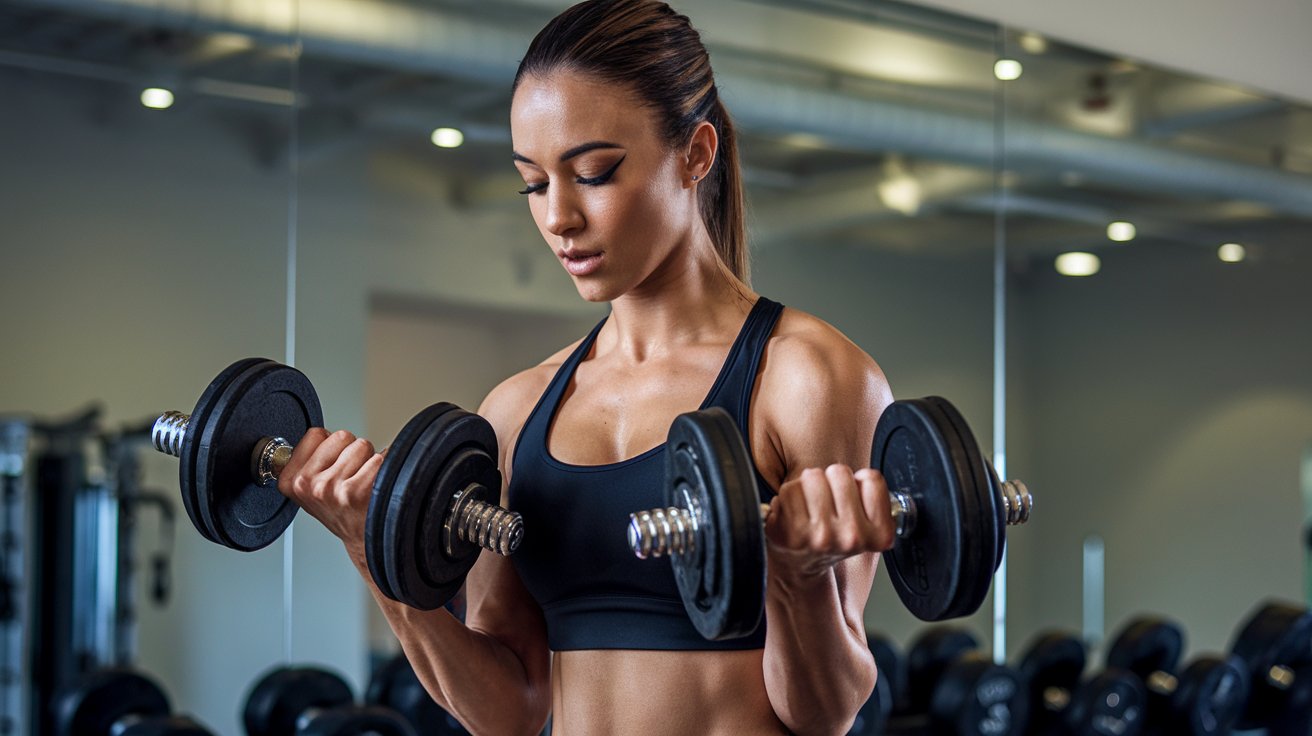
A comprehensive women’s dumbbell workout routine PDF provides structured training plans specifically designed for female fitness goals. This complete guide includes downloadable workout plans with detailed exercise instructions, progressive programming, and printable formats perfect for both home and gym training throughout 2025.
Essential Equipment for Women’s Dumbbell Workouts
The foundation of any effective dumbbell workout plan PDF starts with proper equipment selection. For women beginning their fitness journey, a complete dumbbell set ranging from 5 to 30 pounds provides adequate resistance for all major muscle groups. Adjustable dumbbells offer space-saving convenience while maintaining versatility for progressive overload training protocols.
Beyond basic dumbbells, incorporating a workout bench enhances exercise variety and proper form execution. An adjustable bench allows for incline, decline, and flat positioning, expanding your exercise repertoire significantly. Optional equipment includes resistance bands, yoga mats for floor exercises, and a timer for structured interval training sessions.
Required Dumbbell Weights for Beginners
Beginner women should start with 5-15 pound dumbbells for upper body exercises and 15-25 pounds for lower body movements. This weight range allows proper form development while providing adequate resistance for strength building. As fitness levels improve, gradually increasing weight by 2.5-5 pounds ensures continuous progress without injury risk.
Optional Equipment for Enhanced Training
A quality adjustable bench expands exercise possibilities by 400% compared to floor-only workouts. Resistance bands complement dumbbell training by providing variable resistance throughout movement ranges. A yoga mat ensures comfort during floor exercises and core training segments included in comprehensive workout plans.
Complete 12-Week Women’s Dumbbell Workout Plan PDF
This comprehensive 12-week dumbbell workout plan progressively builds strength, muscle tone, and endurance through scientifically designed phases. Week 1-4 focuses on form mastery and foundational strength, weeks 5-8 increase intensity and volume, while weeks 9-12 incorporate advanced techniques for maximum results. Each phase includes detailed exercise descriptions, rep ranges, and rest periods optimized for female physiology.
The program structure follows a 4-day split routine allowing adequate recovery between sessions. This printable dumbbell workout plan PDF includes tracking sheets, progress measurements, and modification guidelines for different fitness levels. Research from the American Council on Exercise shows that structured progressive programs yield 85% better results than random workout approaches.
Phase 1: Foundation Building (Weeks 1-4)
The initial phase emphasizes proper form development with moderate weights and higher repetitions. Sessions include 8-12 exercises targeting all major muscle groups, with 12-15 repetitions per set. This foundation phase establishes movement patterns and builds initial strength capacity safely and effectively.
Phase 2: Strength Development (Weeks 5-8)
Progressive overload principles guide this intermediate phase, increasing weight by 10-15% while reducing repetitions to 8-12 per set. Advanced compound movements like deadlifts, squats, and presses become primary focus areas. This phase typically yields 20-25% strength improvements in trained individuals.
Phase 3: Advanced Training (Weeks 9-12)
The final phase incorporates advanced training techniques including supersets, drop sets, and tempo variations. Weight increases continue while maintaining perfect form standards. This phase maximizes muscle development and metabolic conditioning for long-term fitness success.
Day-by-Day Workout Structure with Exercise Details
Each training day within this women’s dumbbell workout routine PDF targets specific muscle groups using scientifically proven split methodology. The four-day structure allows optimal recovery while maintaining training frequency for consistent progress. Monday focuses on chest and triceps, Tuesday targets legs and core, Thursday emphasizes back and biceps, while Friday completes the cycle with shoulders and additional leg work.
Day 1: Chest and Triceps Focus
Chest and tricep training begins each week with compound movements like dumbbell bench press, incline press, and flyes. Tricep exercises include overhead extensions, kickbacks, and close-grip variations. This session typically burns 250-350 calories while building upper body strength and definition over 45-60 minutes.
Day 2: Legs and Core Development
Lower body training emphasizes functional movement patterns including squats, lunges, deadlifts, and calf raises. Core exercises integrate planks, Russian twists, and bicycle crunches. This high-intensity session burns 400-500 calories while building lower body strength and stability crucial for daily activities.
Day 3: Back and Biceps Training
Back development exercises include bent-over rows, single-arm rows, and reverse flyes targeting posture improvement and upper body balance. Bicep curls, hammer curls, and concentration curls complete the session. This workout particularly benefits women who spend extended periods at desks or computers.
Day 4: Shoulders and Additional Leg Work
Shoulder training incorporates overhead pressing movements, lateral raises, and rear delt exercises for complete deltoid development. Additional leg exercises focus on glute activation and hip stability. This final session ensures balanced muscle development and metabolic conditioning throughout the week.
Women’s Full Body Dumbbell Workout Plan Benefits
Research from Harvard Medical School demonstrates that women’s strength training provides unique benefits including increased bone density, improved metabolism, and enhanced functional capacity. Dumbbell training specifically offers unilateral strength development, correcting muscle imbalances common in sedentary lifestyles. Studies show women following structured dumbbell programs experience 25-30% greater strength gains compared to machine-only training.
The metabolic benefits of full body dumbbell training extend beyond workout sessions through elevated post-exercise oxygen consumption (EPOC). This afterburn effect increases calorie burning for 24-48 hours post-workout. Additionally, increased lean muscle mass raises resting metabolic rate by approximately 50 calories per pound of muscle gained, supporting long-term weight management goals.
Printable PDF Features and Download Options
Modern printable dumbbell workout plan PDFs include high-resolution exercise images, detailed form cues, and progress tracking sheets. QR codes link to video demonstrations for complex movements, while workout logs provide space for weight, reps, and personal notes. The 2025 format includes smartphone-optimized layouts for digital viewing alongside traditional print versions.
Download options include beginner, intermediate, and advanced variations within single PDF packages. Each level provides appropriate exercise progressions, weight recommendations, and safety modifications. Free download versions typically include basic workout structures, while premium versions offer nutritional guidance, supplementation advice, and extended 24-week programs.
At-Home vs Gym Dumbbell Workout Modifications
Home dumbbell workouts require space-efficient exercise selections and creative equipment substitutions. Bodyweight assistance exercises complement limited weight availability, while resistance bands provide variable resistance when heavier dumbbells aren’t accessible. Kitchen chairs substitute for workout benches, and towels create instability for core challenges during standard exercises.
Gym environments offer extensive weight selections and specialized equipment like adjustable benches, cable systems, and safety features. However, home workouts provide convenience, privacy, and time efficiency appealing to busy women. Studies indicate home exercisers maintain 40% better long-term adherence rates due to reduced barriers and increased consistency opportunities.
Progressive Programming and Weight Selection Guidelines
Effective progressive overload follows the 2-for-2 rule: increase weight when completing 2 additional repetitions beyond target range for 2 consecutive sessions. For women, 2.5-5 pound increments prevent excessive jumping while maintaining steady progress. Weekly progression tracking identifies plateaus early, allowing program modifications before stagnation occurs.
Weight selection guidelines vary by exercise type and individual capacity. Upper body exercises typically use 60-70% of lower body weights due to muscle mass differences. Starting conservatively with 70-80% of perceived maximum allows form perfection while building confidence. Professional assessments help determine appropriate starting weights for optimal safety and effectiveness.
Related video about women’s dumbbell workout routine pdf
This video complements the article information with a practical visual demonstration.
Key Questions and Answers
How often should women follow a dumbbell workout routine?
Women should perform dumbbell workouts 3-4 times per week with at least one rest day between sessions targeting the same muscle groups. This frequency allows adequate recovery while maintaining training stimulus for optimal strength and muscle development. Beginners may start with 2-3 sessions weekly, gradually increasing as fitness improves.
What weight dumbbells should women start with?
Beginner women should start with 5-10 pound dumbbells for upper body exercises and 15-20 pounds for lower body movements. The weight should allow 12-15 repetitions with proper form while feeling challenging on the last 2-3 reps. Progressive increases of 2.5-5 pounds ensure steady advancement without injury risk.
Can I build muscle with just dumbbells as a woman?
Yes, women can effectively build lean muscle using only dumbbells through progressive overload principles. Dumbbells provide sufficient resistance for all major muscle groups when combined with proper programming, adequate protein intake, and consistent training. Studies show dumbbell-only programs produce comparable results to complex gym equipment routines.
How long should each dumbbell workout session last?
Effective dumbbell workout sessions for women typically last 45-60 minutes, including warm-up and cool-down periods. This duration allows adequate time for 8-12 exercises with proper rest intervals between sets. Shorter 30-minute sessions work well for beginners or time-constrained schedules while maintaining training effectiveness.
Do I need a bench for women’s dumbbell workouts?
While not absolutely required, an adjustable bench significantly expands exercise variety and effectiveness in women’s dumbbell routines. Bench alternatives include stability balls, sturdy chairs, or floor-based modifications. However, investing in a quality bench provides better form support and exercise progression opportunities for long-term success.
What are the best dumbbell exercises for women’s weight loss?
Compound dumbbell exercises like thrusters, squat-to-press, and walking lunges with bicep curls maximize calorie burn for women’s weight loss goals. These multi-muscle movements increase heart rate while building strength simultaneously. Circuit-style training with minimal rest between exercises further enhances metabolic benefits and time efficiency.
| Workout Aspect | Key Details | Primary Benefits |
|---|---|---|
| Training Frequency | 3-4 sessions per week | Optimal muscle development and recovery |
| Session Duration | 45-60 minutes per workout | Complete muscle stimulation without overtraining |
| Weight Progression | 2.5-5 pound increments | Safe, sustainable strength gains |
| Program Duration | 12-week structured phases | Measurable progress and goal achievement |
| Equipment Investment | $100-300 for complete home setup | Long-term cost savings vs gym memberships |

