
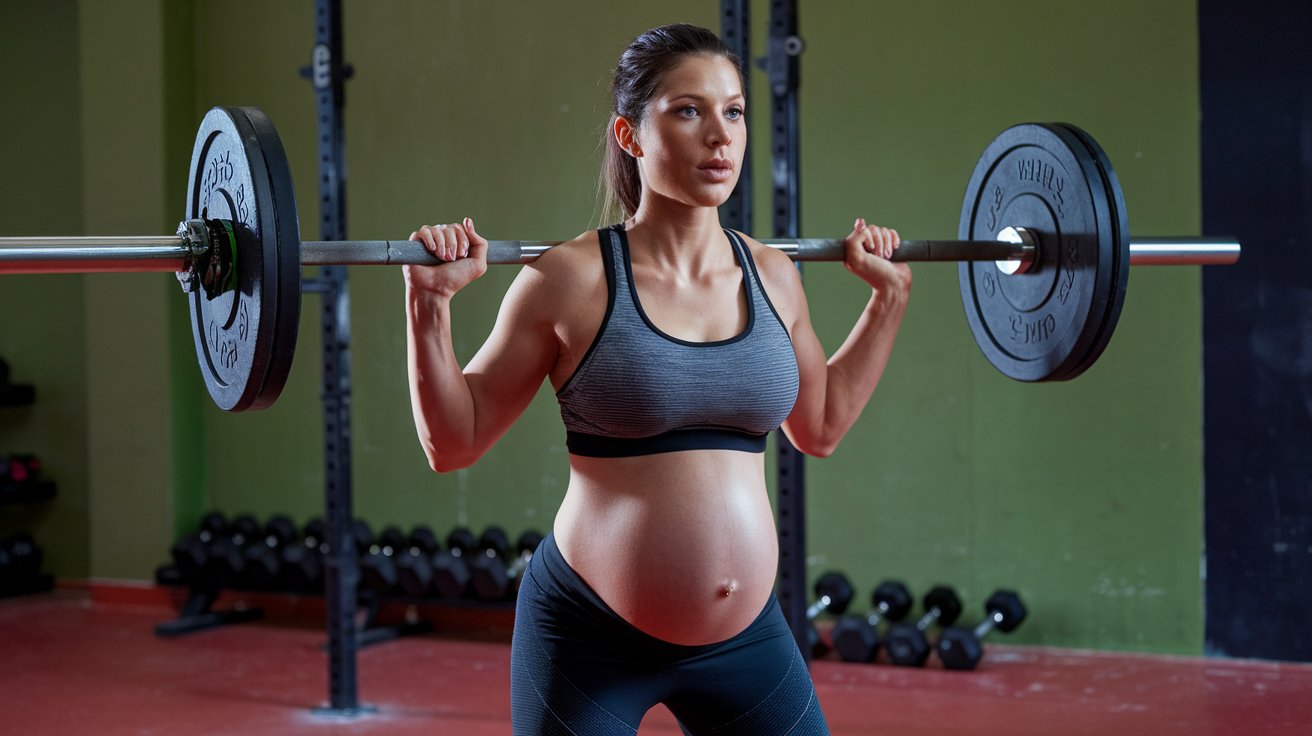
Yes, you can hip thrust while pregnant with proper modifications and medical clearance. Hip thrusts remain one of the safest glute exercises during pregnancy when performed correctly, helping maintain strength and prepare your body for childbirth. However, modifications are essential as your pregnancy progresses through each trimester.
Hip Thrusts During Pregnancy: Safety Overview
Hip thrusts are generally considered safe pregnancy exercises when performed with appropriate modifications. The American College of Obstetricians and Gynecologists (ACOG) recommends strength training during pregnancy, and hip thrusts can be an excellent way to maintain glute strength. This exercise helps support your growing belly and prepares your pelvic floor for delivery. Research from 2024 shows that women who maintain glute strength during pregnancy experience fewer back pain issues and improved postural stability.
However, the safety of hip thrusts while pregnant depends on several factors including your fitness level before pregnancy, current trimester, and any pregnancy complications. Always consult your healthcare provider before continuing or starting any exercise program during pregnancy. Most fitness professionals and obstetricians agree that if you were doing hip thrusts before pregnancy, you can likely continue with modifications throughout your pregnancy journey.
First Trimester Hip Thrust Guidelines
During the first trimester, hip thrusts are typically safe for most women with minimal modifications needed. Your body hasn’t undergone significant physical changes yet, and your center of gravity remains relatively normal. Many women can continue their pre-pregnancy hip thrust routine during weeks 1-12, though some may need to reduce weight due to fatigue or morning sickness.
Focus on proper form rather than heavy weight during your first trimester hip thrusts. Listen to your body and reduce intensity if you experience unusual fatigue, dizziness, or discomfort. This is an excellent time to establish a foundation for the modifications you’ll need in later trimesters. Studies from 2024 indicate that women who maintain consistent, moderate exercise in the first trimester have better outcomes throughout their entire pregnancy.
First Trimester Modifications
Keep weight at 70-80% of your pre-pregnancy maximum and focus on controlled movements. Ensure adequate rest between sets and stay hydrated. Monitor your heart rate and avoid overheating, as your body temperature regulation changes during early pregnancy exercise. Consider using a bench that’s slightly lower than usual to accommodate any breast tenderness or sensitivity.
Warning Signs to Stop
Stop hip thrusts immediately if you experience vaginal bleeding, severe abdominal cramping, dizziness, or shortness of breath beyond normal exercise exertion. These could be signs of pregnancy complications requiring immediate medical attention. Always prioritize your pregnancy safety over maintaining your fitness routine.
Second Trimester Hip Thrust Adaptations
The second trimester (weeks 13-26) often brings renewed energy and is considered the safest time for exercise during pregnancy. However, this is when you’ll need to start making more significant modifications to your hip thrust routine. Your growing belly will begin affecting your center of gravity and may make lying flat on your back uncomfortable for extended periods.
During your second trimester hip thrusts, consider elevating your upper body at a 15-30 degree angle to avoid supine hypotensive syndrome. This condition occurs when the weight of your growing uterus compresses major blood vessels, potentially reducing blood flow to you and your baby. Most women can continue hip thrusts with these modifications, maintaining glute strength crucial for supporting their changing posture.
Positioning Modifications
Use an inclined bench or place a pillow behind your upper back to create a slight elevation. This pregnancy exercise modification prevents the compression of the vena cava while still allowing effective glute activation. Limit supine exercises to 5-10 minutes at a time and change positions if you feel dizzy or nauseous.
Weight and Repetition Adjustments
Reduce weight by 20-30% from your pre-pregnancy levels and focus on higher repetitions with perfect form. Your joints become more mobile due to the hormone relaxin, making you more susceptible to injury with heavy lifting during pregnancy. Aim for 12-20 repetitions with moderate weight rather than low reps with heavy weight.
Third Trimester Hip Thrust Considerations
The third trimester presents the greatest challenges for continuing hip thrusts. Your significantly expanded belly, increased joint laxity, and potential balance issues may make traditional hip thrusts impractical or uncomfortable. Many women find that lying on their back becomes increasingly difficult and may cause shortness of breath or dizziness.
However, third trimester exercise remains important for maintaining strength and preparing for childbirth. If traditional hip thrusts become too uncomfortable, consider alternative positions such as standing hip thrusts against a wall or modified versions that keep you more upright. The goal is maintaining glute activation and strength rather than achieving maximum load.
Hip Thrust Alternatives for Pregnant Women
When traditional hip thrusts become uncomfortable or inadvisable, several pregnancy-safe glute exercises can maintain your posterior chain strength. These alternatives provide similar benefits while accommodating your changing body and reducing potential risks associated with supine positioning.
Standing hip thrusts against a wall, glute bridges on an incline, and supported squats are excellent alternatives that work the same muscle groups. These prenatal exercise alternatives allow you to continue strengthening your glutes throughout all trimesters without the positioning concerns of traditional hip thrusts.
Wall Hip Thrusts
Stand with your back against a wall and perform hip thrust movements in a standing position. This standing pregnancy exercise eliminates supine positioning concerns while still engaging your glutes effectively. Use resistance bands around your thighs for added challenge without requiring heavy weights.
Incline Glute Bridges
Perform glute bridges on a steep incline (45 degrees or more) to maintain the hip thrust movement pattern while keeping your torso more upright. This modification allows continued glute strengthening during pregnancy with reduced risk of supine hypotensive syndrome.
Benefits of Hip Thrusts During Pregnancy
Maintaining glute strength during pregnancy offers numerous benefits for both mother and baby. Strong glutes help support your growing belly, maintain proper pelvic alignment, and reduce the risk of lower back pain that affects up to 70% of pregnant women. Hip thrusts specifically target the gluteus maximus, the body’s largest muscle, which plays a crucial role in maintaining postural stability.
Research from 2024 shows that women who maintain lower body strength during pregnancy have shorter labor times and faster postpartum recovery. The benefits of prenatal exercise extend beyond physical health, including improved mood, better sleep quality, and reduced risk of gestational diabetes. Hip thrusts, when performed safely, contribute to these positive outcomes while specifically addressing the postural challenges of pregnancy.
When to Avoid Hip Thrusts During Pregnancy
Certain pregnancy conditions make hip thrusts inadvisable or require special medical clearance. High-risk pregnancy conditions such as placenta previa, preeclampsia, or a history of preterm labor may contraindicate supine exercises including hip thrusts. Additionally, conditions like severe round ligament pain or pubic symphysis dysfunction may make hip thrusts uncomfortable or potentially harmful.
Always discuss your exercise plans with your healthcare provider, especially if you have any pregnancy complications. Some women may need to avoid certain exercises during pregnancy based on their individual circumstances. Your doctor can provide personalized guidance based on your specific pregnancy and health history.
Proper Form and Safety Tips
Maintaining proper exercise form during pregnancy becomes even more critical as your body changes and joints become more mobile due to hormonal influences. Focus on controlled movements, avoid bouncing or explosive motions, and ensure your core remains engaged throughout the movement. The relaxin hormone increases joint mobility but also instability, making proper form essential for injury prevention.
Always warm up thoroughly before performing hip thrusts and cool down afterward. Stay hydrated and avoid overheating, as pregnant women have an increased risk of hyperthermia. Listen to your body and stop immediately if you experience any discomfort, unusual symptoms, or feel that something isn’t right. Pregnancy exercise safety should always be your top priority over maintaining fitness gains.
Related video about can i hip thrust while pregnant
This video complements the article information with a practical visual demonstration.
What you should know
Can I do barbell hip thrusts while pregnant?
Barbell hip thrusts can be safe during early pregnancy with proper modifications. However, as your pregnancy progresses, you should reduce weight and consider alternatives. By the third trimester, most women need to switch to lighter weights or alternative exercises due to positioning difficulties and increased joint laxity.
Can hip thrusts cause miscarriage?
No, properly performed hip thrusts do not cause miscarriage. Most miscarriages occur due to chromosomal abnormalities unrelated to exercise. However, always get medical clearance before exercising during pregnancy and stop immediately if you experience bleeding, cramping, or other concerning symptoms.
What exercises should I avoid while pregnant?
Avoid exercises with high fall risk, contact sports, scuba diving, and activities requiring lying flat on your back for extended periods after 20 weeks. Also avoid exercises causing severe breathlessness, overheating, or joint stress. Always consult your healthcare provider for personalized exercise restrictions.
Can you do glute exercises while pregnant?
Yes, glute exercises are generally safe and beneficial during pregnancy. They help support your growing belly and maintain postural stability. Focus on bodyweight movements, lighter weights, and avoid prolonged supine positions. Standing variations and incline exercises are excellent alternatives as pregnancy progresses.
When should I stop doing hip thrusts during pregnancy?
Stop hip thrusts if you experience discomfort lying on your back, have been advised by your doctor to avoid supine exercises, or have pregnancy complications. Most women can continue modified versions throughout pregnancy, but individual circumstances vary. Always prioritize comfort and medical advice over maintaining your routine.
Are hip thrust machines safe during pregnancy?
Hip thrust machines can be safer than free weights during pregnancy as they provide more stability and control. However, the same positioning considerations apply – avoid prolonged supine positions in later pregnancy. Machine exercises may be easier to modify and exit quickly if you feel uncomfortable during your workout.
| Pregnancy Stage | Hip Thrust Modifications | Key Benefits |
|---|---|---|
| First Trimester | Minimal changes, focus on form over weight | Maintains pre-pregnancy strength foundation |
| Second Trimester | Incline position, reduced weight, shorter duration | Supports changing posture and growing belly |
| Third Trimester | Standing alternatives or discontinue if uncomfortable | Prepares body for labor and delivery |

