
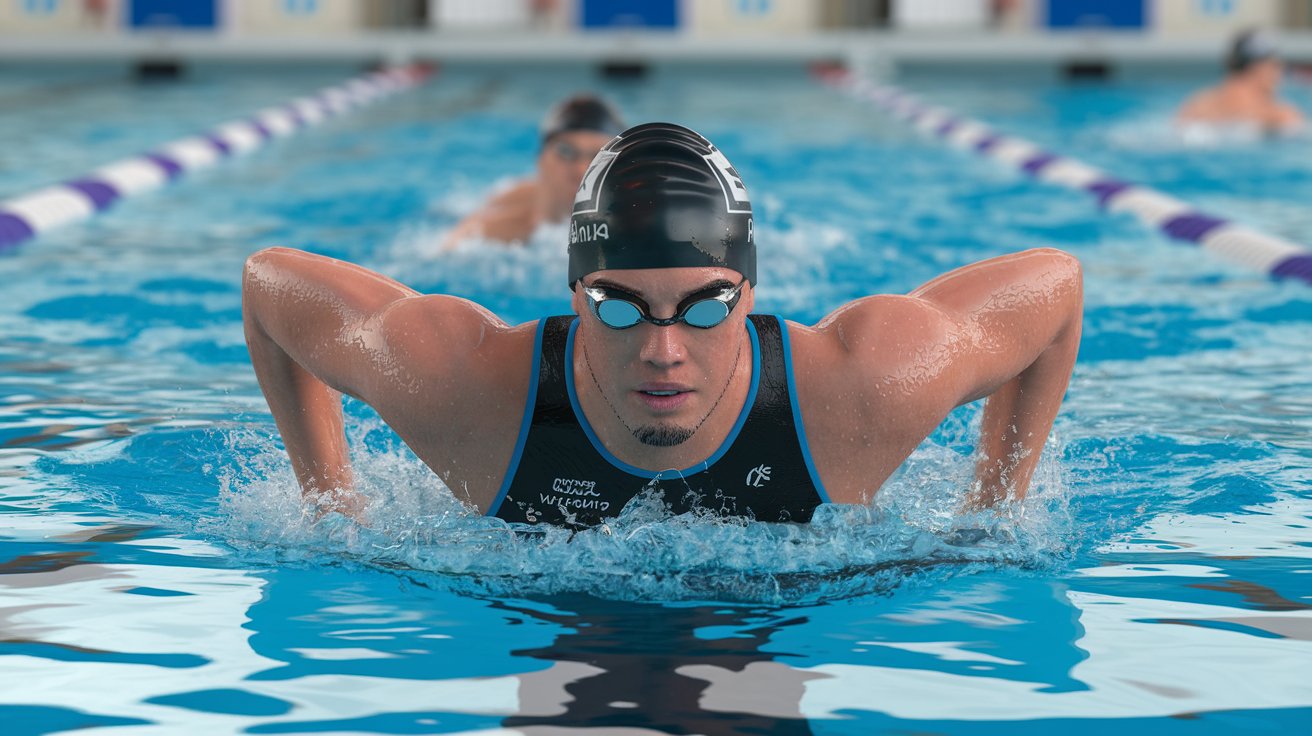
Training for a triathlon requires a structured approach combining swimming, biking, and running workouts over several months. Most beginners need 12-16 weeks to prepare for their first sprint triathlon, following a progressive training plan that builds endurance while preventing injury. This comprehensive guide covers everything from choosing the right triathlon training plan to understanding essential rules that will help you cross the finish line successfully.
Understanding Triathlon Training Fundamentals
Before diving into specific workouts, understanding the fundamentals of triathlon training is crucial for success. A triathlon consists of three disciplines performed consecutively: swimming, cycling, and running. The most common distances for beginners include sprint triathlons (750m swim, 20km bike, 5km run) and Olympic distance events (1.5km swim, 40km bike, 10km run). Each discipline requires different muscle groups and energy systems, making cross-training essential for optimal performance.
The key to successful triathlon training lies in building a solid aerobic base while developing sport-specific skills. Most triathlon training plans follow a periodized approach, starting with base building phases and progressing to more intense workouts. According to USA Triathlon data from 2024, athletes who follow structured training plans are 73% more likely to complete their first triathlon without injury compared to those who train randomly.
How Long Does Triathlon Training Take?
The duration required for triathlon training depends on your current fitness level, chosen race distance, and available training time. Complete beginners starting from scratch typically need 12-20 weeks to prepare for their first sprint triathlon. Those with some running or cycling background can often reduce this timeframe to 8-12 weeks. For Olympic distance events, most coaches recommend 16-24 weeks of preparation, while Half Ironman distances require 20-32 weeks of dedicated training.
According to 2024 research from the American College of Sports Medicine, the optimal training duration for beginners is 16 weeks, allowing sufficient time for adaptation while minimizing injury risk. This timeline includes 4 weeks of base building, 8 weeks of build phase training, 2 weeks of peak preparation, and 2 weeks of taper. Athletes who train for less than 12 weeks show significantly higher dropout rates and injury incidence compared to those following longer preparation periods.
Creating Your Triathlon Training Plan
A well-structured triathlon training plan forms the foundation of successful preparation. Your plan should include 4-6 training sessions per week, with each discipline practiced 2-3 times weekly. Beginners should start with shorter sessions, gradually increasing duration and intensity over time. A typical week might include two swim sessions (30-45 minutes each), two bike rides (45-90 minutes), two runs (30-60 minutes), plus one rest day and one optional cross-training session.
The best triathlon training plans incorporate periodization, progressively overloading your body while allowing adequate recovery. Week-to-week volume increases should not exceed 10% to prevent overuse injuries. Include one longer session per discipline weekly to build endurance, one tempo or threshold session for speed development, and one easy recovery session. Many successful triathletes use triathlon training apps like TrainingPeaks, Strava, or MyFitnessPal to track progress and maintain consistency.
Sprint Triathlon Training Plan Structure
A sprint triathlon training plan typically spans 12-16 weeks and focuses on building basic fitness across all three disciplines. Week 1-4 establish an aerobic base with easy-paced workouts lasting 20-45 minutes. Weeks 5-8 introduce tempo efforts and longer sessions, while weeks 9-12 add race-pace intervals and brick workouts. The final 2-4 weeks involve tapering volume while maintaining intensity to arrive at race day fresh and prepared.
Olympic Distance Training Plan Progression
An Olympic triathlon training plan requires 16-20 weeks of preparation due to the doubled distances compared to sprint events. The progression follows similar phases but with longer base building (6-8 weeks) and more emphasis on endurance development. Weekly training volume typically ranges from 6-10 hours for beginners to 12-15 hours for experienced athletes, with peak weeks reaching 15-18 hours of total training time.
The 80/20 Training Rule for Triathletes
The 80/20 rule for triathlon training has gained significant scientific support and widespread adoption among elite and recreational athletes. This principle suggests that 80% of your training should be performed at low intensity (conversational pace), while only 20% should be high intensity (tempo, threshold, or VO2 max efforts). This approach maximizes aerobic development while minimizing fatigue and injury risk, leading to better long-term performance gains.
Research published in the Journal of Sports Sciences in 2024 demonstrated that triathletes following the 80/20 training distribution showed 15% greater improvement in race times compared to those using traditional moderate-intensity focused approaches. The low-intensity sessions should feel comfortable enough that you could hold a conversation while exercising. High-intensity sessions include tempo runs, bike intervals, or challenging swim sets where breathing becomes labored and conversation becomes difficult.
Essential Training Techniques and Methods
Successful triathlon training incorporates various training techniques that improve performance across all three disciplines. Brick workouts, which combine two disciplines back-to-back (typically bike-to-run), are essential for adapting to the unique demands of multisport racing. These sessions teach your body to run effectively on tired legs and simulate race-day conditions. Start with short brick sessions (20-30 minutes bike + 10-15 minute run) and gradually increase duration.
Zone-based training using heart rate or power meters provides precise intensity control and prevents the common mistake of training too hard on easy days and too easy on hard days. Most triathlon training plans utilize 5-7 training zones, from active recovery to neuromuscular power. Incorporating technique work through drills and form-focused sessions improves efficiency and reduces energy expenditure during races, particularly important in swimming where technique plays a crucial role in performance.
Swimming Training Fundamentals
Swimming often presents the greatest challenge for new triathletes, making swimming technique development crucial for success. Focus on body position, breathing patterns, and stroke mechanics before increasing training volume. Begin with 2-3 swimming sessions per week, emphasizing drill work and gradual distance increases. Pool training should include warm-up, technique drills, main sets (intervals or continuous swimming), and cool-down phases.
Cycling Training Strategies
Cycling training for triathletes emphasizes aerobic endurance and efficient pedaling technique. Road cycling, trainer sessions, and spin classes all contribute to cycling fitness. Focus on maintaining consistent cadence (80-100 RPM), proper bike fit, and gradually increasing ride duration. Include hill training to build strength and practice nutrition strategies during longer rides to prepare for race-day fueling needs.
Running Training Approaches
Running training should progress gradually to prevent overuse injuries common in this high-impact discipline. The run training program should include easy base runs, one tempo or threshold session weekly, and occasional speed work. Begin with a comfortable run-walk approach if necessary, prioritizing consistency over speed. Include regular strength training and flexibility work to support running mechanics and reduce injury risk.
The 90-Second Rule and Transition Training
The 90-second rule in triathlon refers to the critical transition periods between disciplines, where efficient execution can save significant time and energy. This rule suggests that smooth, practiced transitions should take no longer than 90 seconds for recreational athletes, though elite athletes often complete transitions in 30-45 seconds. Transition training involves practicing the specific movements and equipment changes required between swimming-to-cycling (T1) and cycling-to-running (T2).
Effective transition training includes setting up your transition area systematically, practicing putting on and taking off equipment quickly, and rehearsing the mental checklist for each transition. Many races are won or lost in transitions, making this often-overlooked aspect of training crucial for race success. Practice transitions regularly during training, especially during brick workouts, to develop muscle memory and confidence for race day.
Nutrition and Recovery Strategies
Proper nutrition and recovery strategies are fundamental components of successful triathlon training. Adequate protein intake (1.2-1.7g per kg body weight) supports muscle adaptation and recovery, while carbohydrate consumption (5-7g per kg body weight on training days) fuels workouts and replenishes glycogen stores. Hydration needs increase significantly during training, requiring 16-24 ounces of fluid per hour of exercise, adjusted for sweat rate and environmental conditions.
Recovery protocols should include 7-9 hours of quality sleep nightly, as this is when most physiological adaptations occur. Active recovery sessions, such as easy swimming or yoga, promote blood flow and reduce muscle stiffness without adding significant training stress. Recovery strategies like foam rolling, massage, and strategic rest days prevent overtraining syndrome and reduce injury risk. Studies from 2024 show that athletes who prioritize recovery show 22% fewer injuries and 18% better performance gains compared to those who neglect recovery practices.
Equipment and Gear Considerations
While triathlon can seem equipment-intensive, beginners can start with basic gear and upgrade gradually. Essential equipment includes a properly fitted bike, helmet, running shoes, swimwear, and goggles. A triathlon wetsuit is recommended for most open-water swims, providing buoyancy, warmth, and hydrodynamics. Choose running shoes from a specialty store with gait analysis to prevent common running injuries.
Consider investing in triathlon-specific equipment as your experience grows, such as aero bars for your bike, race wheels, or a GPS watch for training data. However, fitness and training consistency matter far more than expensive equipment for race success. Many first-time triathletes complete races successfully with borrowed or basic equipment, focusing their energy and resources on proper training rather than gear optimization.
Common Training Mistakes to Avoid
Understanding common training mistakes can prevent setbacks and accelerate progress toward your triathlon goals. The most frequent error is training too intensely too often, violating the 80/20 rule and leading to burnout or injury. Many beginners also neglect technique development, particularly in swimming, choosing to focus solely on fitness rather than efficiency. This approach limits long-term performance potential and increases energy expenditure during races.
Another critical mistake involves inadequate recovery between training sessions, preventing proper adaptation and increasing injury risk. Overtraining symptoms include persistent fatigue, declining performance, mood changes, and frequent illness. Additionally, many athletes fail to practice race-day nutrition and hydration strategies during training, leading to gastrointestinal distress or energy depletion during events. Avoid dramatic training increases, maintain consistency over intensity, and always prioritize technique development alongside fitness improvements.
Related video about how should i go about training for a triathlon
This video complements the article information with a practical visual demonstration.
FAQ – Common Questions
What is the best way to train for a triathlon?
The best way to train for a triathlon involves following a structured plan that includes 4-6 workouts per week across swimming, cycling, and running. Focus on building an aerobic base using the 80/20 training rule, where 80% of training is at easy intensity and 20% at moderate to high intensity. Include brick workouts, technique development, and adequate recovery time.
How many months does it take to train for a triathlon?
Training duration depends on your fitness level and race distance. Complete beginners need 12-20 weeks for a sprint triathlon, while Olympic distance requires 16-24 weeks. Those with existing fitness in one discipline can often reduce this timeframe by 4-6 weeks. Rushing preparation increases injury risk and reduces race day success.
What is the 80/20 rule for triathlon?
The 80/20 rule states that 80% of training should be at low intensity (conversational pace) while 20% should be moderate to high intensity. This approach maximizes aerobic development, reduces injury risk, and improves long-term performance. Research shows athletes following this distribution improve 15% more than those using traditional training methods.
What is the 90 second rule in triathlon?
The 90-second rule refers to efficient transitions between disciplines, suggesting recreational athletes should complete transitions in under 90 seconds. This involves practiced equipment changes, organized transition setups, and rehearsed movement patterns. Elite athletes often complete transitions in 30-45 seconds through extensive practice and streamlined techniques.
How do I train for a triathlon as a complete beginner?
Begin with 12-16 weeks of structured training, starting with 20-30 minute sessions in each discipline. Focus on technique development, especially swimming, and gradually increase duration. Include 2-3 sessions per week in each sport, one rest day, and practice brick workouts. Consider hiring a coach or joining a beginner triathlon group for guidance and motivation.
Can I use a triathlon training app for my preparation?
Yes, triathlon training apps like TrainingPeaks, Strava, and specialized triathlon platforms provide structured plans, progress tracking, and workout guidance. These apps offer beginner-friendly programs, customizable training schedules, and community support. However, they work best when combined with proper technique instruction and personalized adjustments based on your progress and recovery needs.
| Training Phase | Duration | Key Focus |
|---|---|---|
| Base Building | 4-6 weeks | Aerobic fitness and technique development |
| Build Phase | 6-8 weeks | Increased volume and intensity |
| Peak Phase | 2-3 weeks | Race-specific preparation |
| Taper | 1-2 weeks | Reduced volume, maintained intensity |

