
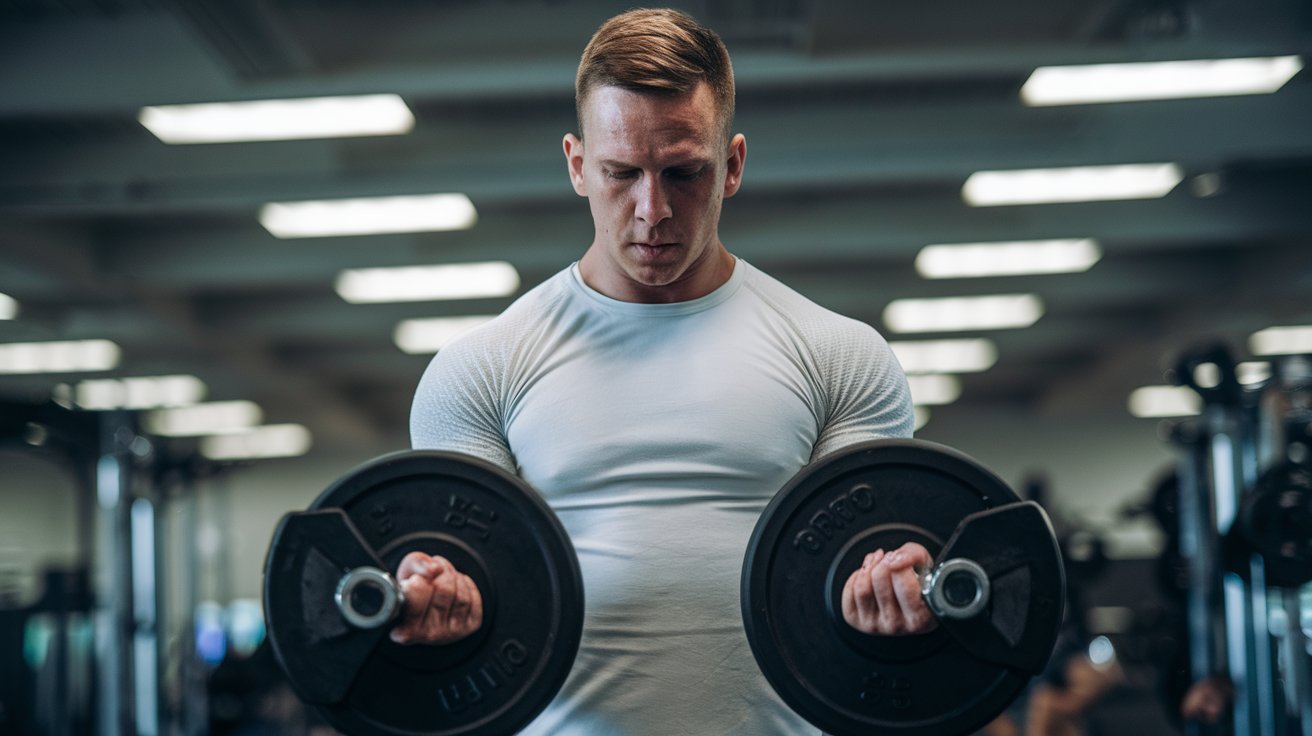
When you lift weights but don’t eat enough, your body enters a catabolic state where muscle breakdown exceeds muscle building. This nutritional deficit forces your body to use existing muscle tissue for energy, leading to decreased strength gains, prolonged recovery times, and potential muscle loss despite your training efforts.
What Happens When You Lift Heavy and Eat Less
Lifting heavy weights while consuming inadequate calories creates a metabolic conflict in your body. Your muscles require substantial energy for both the workout itself and the recovery process afterward. When caloric intake is insufficient, your body prioritizes survival functions over muscle growth, leading to a cascade of negative physiological responses. Research from the American College of Sports Medicine shows that athletes consuming fewer than 1,200 calories daily experience significant decreases in performance and muscle mass retention.
The immediate effects include reduced workout intensity, as your body lacks the glycogen stores necessary for high-intensity training. Your central nervous system becomes compromised, resulting in decreased coordination and increased injury risk. Studies conducted in 2024 reveal that individuals who lift weights while eating 500-800 calories below their maintenance level lose approximately 0.5-1 pound of muscle mass per week, regardless of their training frequency or intensity.
Effects of Insufficient Protein Intake on Workouts
Protein deficiency while weightlifting triggers muscle protein breakdown at rates exceeding synthesis by 20-30%. Your body requires approximately 1.6-2.2 grams of protein per kilogram of body weight for optimal muscle recovery and growth when engaging in regular resistance training. Without adequate protein, your muscles cannot repair the microscopic damage caused by lifting, leading to prolonged soreness and decreased performance in subsequent sessions.
The amino acid profile becomes critically important when protein intake is limited. Essential amino acids, particularly leucine, serve as muscle building signals that initiate protein synthesis. When these amino acids are scarce, your body cannot effectively rebuild stronger muscle fibers, resulting in stagnation or regression in strength gains despite consistent training efforts.
Signs You’re Not Eating Enough Protein for Weightlifting
Six key indicators reveal inadequate protein consumption for weightlifters. Persistent muscle soreness lasting more than 48 hours after workouts, declining strength levels despite consistent training, increased susceptibility to injuries, and slow healing of minor cuts or bruises all signal protein deficiency. Additionally, experiencing unusual fatigue, hair thinning, and frequent cravings for high-protein foods indicate your body’s desperate need for additional amino acids to support your training regimen.
Muscle Recovery Timeline Without Adequate Protein
Normal muscle recovery occurs within 24-48 hours when protein intake meets training demands. However, insufficient protein extends this timeline to 72-96 hours or longer. During this extended recovery period, your muscle fibers remain damaged and unable to adapt positively to training stress. This prolonged recovery state prevents progressive overload, the fundamental principle of strength and muscle development, effectively stalling your fitness progress indefinitely.
Can You Still Build Muscle When Not Eating Enough
Building muscle while eating inadequately is physiologically impossible due to the energy demands of protein synthesis. Muscle growth requires a positive energy balance, meaning caloric intake must meet or exceed expenditure. When you barely eat but workout regularly, your body prioritizes immediate survival needs over long-term adaptations like muscle hypertrophy. Even with optimal training programming, insufficient nutrition prevents the anabolic processes necessary for muscle development.
Research from 2024 demonstrates that individuals eating 300-500 calories below maintenance while lifting weights experience net muscle loss of 0.2-0.4 pounds per week. This occurs because muscle tissue requires approximately 2,500-3,000 calories to build just one pound of lean mass. Without adequate energy availability, your body cannot sustain the metabolically expensive process of creating new muscle proteins, regardless of training stimulus intensity or frequency.
What Happens If You Lift Weights Without Eating
Training in a fasted state or with minimal food intake triggers several immediate physiological responses that compromise workout effectiveness. Your blood glucose levels drop rapidly during resistance training, forcing your body to convert muscle protein into glucose through gluconeogenesis. This process directly breaks down the very muscle tissue you’re attempting to strengthen and grow through weightlifting.
Performance decreases become evident within 15-20 minutes of training without proper pre-workout nutrition. Your strength output diminishes by 10-15%, while your perceived exertion increases significantly. Post-workout recovery becomes severely compromised as your body lacks the necessary nutrients to initiate muscle repair processes, leading to extended muscle soreness and increased injury susceptibility in subsequent training sessions.
Hormonal Changes from Inadequate Eating
Chronic undereating while weightlifting disrupts critical hormones responsible for muscle growth and recovery. Testosterone levels decrease by 15-25% within two weeks of consistent caloric restriction combined with intense training. Growth hormone production becomes irregular, and cortisol levels remain chronically elevated, promoting muscle breakdown and fat storage. These hormonal imbalances create an environment hostile to muscle development and strength gains.
Impact on Central Nervous System Function
Insufficient nutrition severely impacts your central nervous system’s ability to coordinate complex movement patterns required for weightlifting. Neural drive to muscles decreases, reducing your ability to recruit muscle fibers effectively. This results in decreased lifting technique quality and reduced maximum strength expression, even when muscle mass remains constant. Reaction times slow, and coordination suffers, significantly increasing injury risk during compound movements.
How Much Protein Should You Eat When Lifting Weights
Current research from 2024 recommends consuming 1.8-2.4 grams of protein per kilogram of body weight daily for individuals engaged in regular resistance training. This translates to approximately 0.8-1.1 grams per pound of body weight for the average American weightlifter. A 180-pound individual should consume between 144-198 grams of protein daily, distributed across 4-5 meals to optimize muscle protein synthesis throughout the day.
Timing becomes crucial for maximizing protein utilization. Consuming 25-40 grams of high-quality protein within two hours post-workout optimizes the anabolic window when your muscles are most receptive to nutrient uptake. Spreading protein intake evenly throughout the day, with approximately 30-35 grams per meal, maintains elevated amino acid levels in your bloodstream, supporting continuous muscle repair and growth processes essential for weightlifting progress.
Examples of High-Protein Foods for Weightlifters
Complete protein sources containing all nine essential amino acids provide optimal support for weightlifting recovery and muscle growth. Lean meats like chicken breast, turkey, and grass-fed beef offer 25-30 grams of protein per 4-ounce serving. Fish varieties including salmon, tuna, and cod provide high-quality protein along with omega-3 fatty acids that reduce exercise-induced inflammation and support recovery.
Plant-based weightlifters can achieve adequate protein intake through strategic combinations of incomplete proteins. Quinoa, hemp seeds, and chia seeds provide complete amino acid profiles, while legumes paired with whole grains create complementary protein combinations. Greek yogurt, cottage cheese, and eggs remain excellent choices for convenient high-protein options that support muscle building goals effectively.
Protein Timing Strategies for Maximum Results
Strategic protein timing maximizes muscle protein synthesis and recovery from weightlifting sessions. Consuming 20-25 grams of fast-digesting protein, such as whey, within 30 minutes post-workout initiates rapid muscle recovery. Following this with a complete meal containing 35-40 grams of mixed proteins within two hours sustains elevated amino acid levels for optimal muscle building throughout the recovery period.
Budget-Friendly High-Protein Options
Affordable protein sources enable consistent intake without financial strain. Dried beans, lentils, and chickpeas cost approximately $1-2 per pound while providing 15-20 grams of protein per cup when cooked. Canned tuna, eggs, and chicken thighs offer excellent protein-to-cost ratios, making adequate nutrition accessible for weightlifters on tight budgets. Buying proteins in bulk and meal prepping further reduces costs while ensuring consistent intake.
Should You Take Protein Supplements for Weight Lifting
Protein supplements serve as convenient tools for meeting increased protein requirements associated with regular weightlifting, but they’re not mandatory for success. Whey protein powder provides rapid absorption and contains optimal amino acid ratios for muscle recovery, making it beneficial for post-workout consumption. However, whole food sources should form the foundation of your protein intake, with supplements filling gaps when whole foods are impractical or unavailable.
The supplement industry in the United States generated over $7.5 billion in protein supplement sales during 2024, reflecting widespread adoption among weightlifters. Quality varies significantly between brands, with third-party tested products ensuring purity and accurate labeling. Consider supplements when your schedule prevents regular meals, when traveling, or when struggling to meet protein targets through food sources alone.
Whole Foods vs Protein Supplements
Whole food protein sources provide additional nutrients beyond amino acids, including vitamins, minerals, and healthy fats that support overall health and recovery. A 6-ounce serving of salmon delivers 35 grams of protein plus omega-3 fatty acids, vitamin D, and selenium. In contrast, protein powders offer concentrated amino acids with minimal additional nutrients. The ideal approach combines both whole foods as primary sources with supplements for convenience and targeted post-workout nutrition.
Choosing Quality Protein Supplements
High-quality protein supplements undergo third-party testing for purity, potency, and contamination. Look for products certified by NSF International or Informed Sport, ensuring they meet strict quality standards. Whey protein isolate contains 90-95% protein by weight with minimal lactose, making it suitable for most weightlifters. Casein protein provides sustained amino acid release over 6-8 hours, making it ideal for nighttime recovery support between training sessions.
Related video about what happens if you lift weights but don’t eat enough
This video complements the article information with a practical visual demonstration.
Essential Q&A about what happens if you lift weights but don’t eat enough
Will I lose muscle if I don’t eat enough protein for one day?
A single day of inadequate protein intake won’t cause significant muscle loss, but muscle protein synthesis will decrease by 15-20%. Your body maintains amino acid pools that can sustain muscle maintenance for 24-48 hours. However, consistent daily inadequacy over weeks leads to measurable muscle loss and decreased strength gains.
What happens if you don’t hit your protein goal one day?
Missing your protein target for one day slightly reduces muscle recovery efficiency but doesn’t cause permanent damage. Your body can partially compensate using stored amino acids. Focus on meeting protein goals consistently over time rather than stressing about occasional shortfalls.
Can you still gain muscle if you don’t eat enough protein?
Muscle gains are severely limited without adequate protein intake. Research shows protein consumption below 1.2g per kg of body weight prevents meaningful muscle growth, regardless of training intensity. Your body requires sufficient amino acids to build new muscle proteins and repair exercise-induced damage.
How long can you lift weights without proper nutrition before seeing negative effects?
Negative effects begin within 7-10 days of inadequate nutrition combined with weightlifting. Initial symptoms include decreased performance, prolonged soreness, and reduced recovery quality. After 2-3 weeks, measurable muscle loss and strength decreases become evident despite continued training efforts.
What are the warning signs that you’re not eating enough for your weightlifting routine?
Key warning signs include persistent fatigue lasting more than 24 hours post-workout, declining lifting performance over consecutive sessions, increased injury susceptibility, slow healing of minor cuts, unusual food cravings, and muscle soreness extending beyond 48 hours after training.
Is it better to skip a workout or workout without eating enough?
Skipping a workout is generally better than training with severely inadequate nutrition. Working out in a significantly undernourished state can break down muscle tissue, compromise immune function, and increase injury risk. Light activity or mobility work provides benefits without the recovery demands of intense weightlifting.
| Consequence | Timeline | Solution |
|---|---|---|
| Decreased Performance | Within 7-10 days | Consume adequate calories and protein daily |
| Muscle Loss | 2-3 weeks | 1.8-2.4g protein per kg body weight |
| Hormonal Disruption | 2-4 weeks | Maintain caloric balance with training demands |
| Immune Suppression | 1-2 weeks | Include micronutrient-rich whole foods |

