
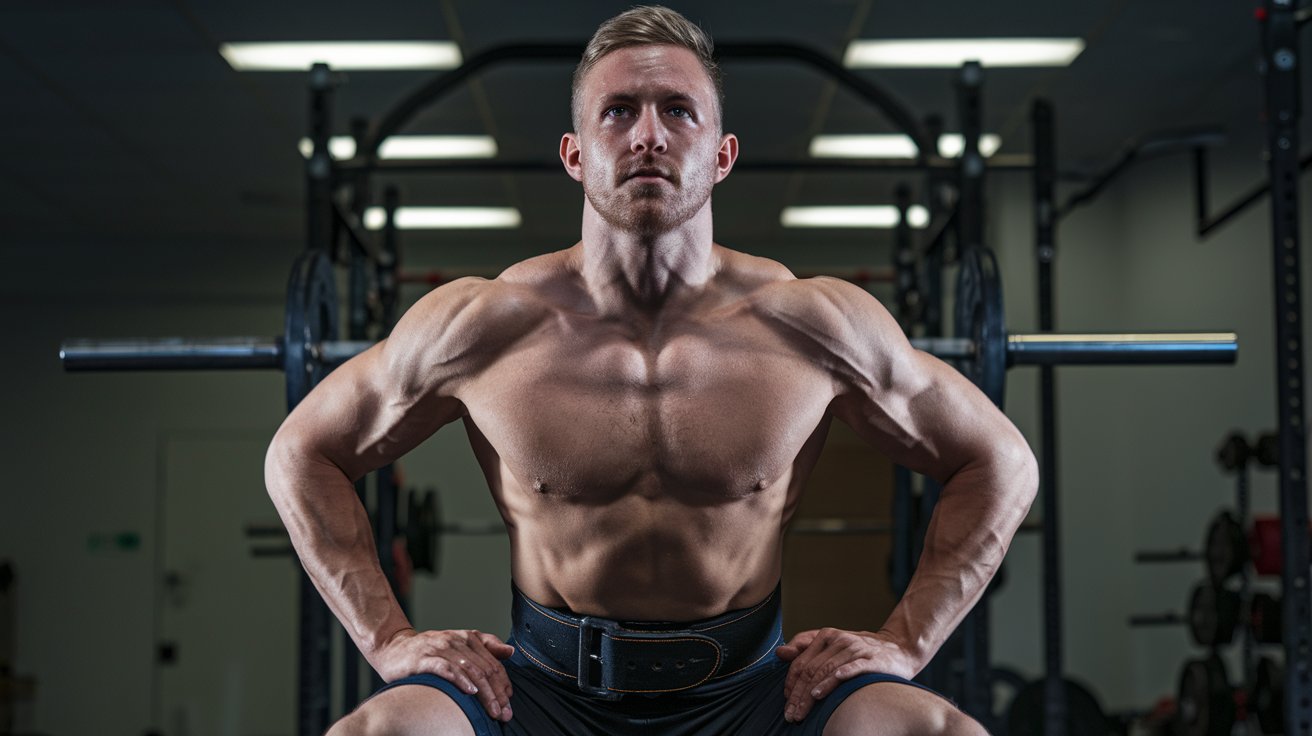
Most lifters should begin using a weight lifting belt for squats when they consistently squat 1.5 times their body weight or reach 185-225 pounds. This threshold typically occurs when your working sets reach 80-85% of your one-rep max, where proper core stability becomes crucial for both performance and injury prevention during heavy compound movements.
When Should You Start Using a Belt for Squats
The decision to start using a squat belt depends on multiple factors beyond just raw weight numbers. Most strength coaches recommend introducing a belt when your squats reach 185-225 pounds for average-sized individuals, or approximately 1.5 times your body weight. However, this threshold varies based on your training experience, body composition, and lifting goals.
Research from the Journal of Strength and Conditioning shows that lifting belts become most beneficial when working at intensities above 80% of your one-rep max. At these loads, intra-abdominal pressure increases significantly, and a belt helps maintain proper spinal alignment while allowing you to generate more force through your core musculature.
Body Weight Ratio Guidelines
For most lifters, the belt threshold follows these body weight ratios: beginners at 1.25x body weight, intermediate lifters at 1.5x body weight, and advanced lifters may benefit from belts at any weight above 2x body weight. A 180-pound lifter should consider a weight lifting belt when consistently squatting 225-270 pounds in their working sets.
Training Experience Factor
Lifters with less than 6 months of consistent squatting should focus on developing natural core strength without a belt. Those with 6-12 months of experience can introduce a belt for sets above 85% of their max, while experienced lifters (2+ years) may use belts more liberally for heavy working sets and max attempts.
Weight Lifting Belt Benefits for Squats
A properly used weight lifting belt provides three primary benefits during squats: increased intra-abdominal pressure, improved spinal stability, and enhanced force transmission. Studies indicate that belts can increase squat performance by 5-15% while reducing compressive forces on the spine by up to 25% during maximal efforts.
The squat belt works by providing an external surface for your core muscles to push against, creating a more rigid torso column. This enhanced stability allows for better force transfer from your legs through your torso, ultimately improving your ability to handle heavier loads safely and efficiently.
Injury Prevention Advantages
Research from sports medicine journals shows that lifting belts can reduce the risk of lower back injury by 30-40% when used properly during heavy squats. The belt helps maintain neutral spine position and prevents excessive flexion or extension under load, particularly during the challenging bottom portion of the squat movement.
Performance Enhancement Effects
Elite powerlifters report 10-20 pound increases in their max squat when using a belt compared to beltless lifting. This performance boost comes from improved confidence, better breathing mechanics, and enhanced proprioceptive feedback that helps maintain optimal positioning throughout the movement pattern.
At What Percentage Should You Use a Belt
Most strength athletes introduce a belt when working at 80-85% of their one-rep max, regardless of absolute weight. This percentage typically represents the point where maintaining proper form becomes challenging due to the high neural drive required for near-maximal efforts. Working sets in the 3-5 rep range usually fall within this intensity zone.
For powerlifting competition preparation, many athletes use belts for all sets above 70% to practice their competition setup. However, for general strength development, limiting belt use to sets above 85% helps maintain natural core strength while still providing safety benefits during the heaviest training sessions.
Training With vs Without a Belt
Effective squat programming should include both belted and beltless training phases. Research suggests that 60-70% of your squat volume should be performed without a belt to maintain natural core strength and movement quality. The remaining 30-40% can utilize a weight lifting belt for heavy working sets and max attempts.
Beltless training develops intrinsic core stability, improves movement patterns, and builds the foundation for heavier belted lifting. Many successful powerlifters perform all their warm-up sets and lighter working sets without a belt, only adding it for their heaviest attempts of the day.
Programming Considerations
Structure your training so that belt usage aligns with your periodization goals. During strength phases, use belts for sets above 80%. During hypertrophy blocks, limit belt use to occasional heavy singles. This approach ensures you develop both natural stability and the ability to maximize performance when wearing a squat belt.
Competition Preparation
Athletes preparing for powerlifting meets should practice with their competition belt for all attempts above 90% of their max. This specificity training helps develop the timing, breathing patterns, and setup consistency required for successful competition performances where every pound matters.
How to Use a Powerlifting Belt for Squats
Proper belt usage requires attention to positioning, tightness, and breathing technique. Position the belt around your natural waist, typically 1-2 inches above your hip bones. The belt should be tight enough to provide resistance when you breathe into it, but not so tight that it restricts your ability to take a full breath.
The most effective technique involves taking a large breath into your belly while pushing your core muscles against the belt. This creates maximum intra-abdominal pressure and provides the stability benefits that make heavy squats safer and more effective.
Belt Positioning and Tightness
Find your natural waist by bending to the side and locating where your torso creases. Position the belt at this point or slightly above. Tighten the belt so you can barely fit one finger between the belt and your body. This tightness allows for proper expansion during bracing while providing adequate support.
Breathing and Bracing Technique
Before descending into your squat, take a deep breath into your diaphragm while simultaneously pushing your abs, obliques, and lower back muscles against the belt. Hold this pressure throughout the entire rep, only releasing the breath after you’ve completed the movement and are standing upright.
Common Belt Usage Mistakes
Many lifters make critical errors when first using a weight lifting belt, including wearing it too loose, positioning it incorrectly, or becoming overly dependent on it for lighter weights. These mistakes can limit the belt’s effectiveness and potentially increase injury risk rather than reducing it.
Another common error is using the belt as a crutch for poor movement patterns rather than as a tool to enhance already solid technique. The belt should supplement good form, not replace proper squat mechanics and natural core strength development.
Related video about at what weight should i use a belt for squats
This video complements the article information with a practical visual demonstration.
Most asked questions about at what weight should i use a belt for squats
Should I use a belt to squat 225?
For most lifters, 225 pounds represents a good threshold to begin using a belt, especially if this weight represents 80% or more of your one-rep max. However, ensure you can squat at least 185 pounds with perfect form before introducing a belt to avoid developing dependency on external support.
Is it better to squat with or without a belt?
Both approaches have benefits. Squatting without a belt develops natural core strength and movement quality, while belted squats allow you to handle heavier loads safely. The optimal approach combines both methods, using belts for heavy sets above 80-85% of your max while maintaining beltless training for lighter loads.
When should I start using a belt for squats?
Start using a belt when you consistently squat 1.5 times your body weight or work above 80% of your one-rep max. This typically occurs after 6-12 months of consistent training. Prioritize developing proper form and natural core strength before introducing a belt into your routine.
At what percentage should you use a belt?
Most strength coaches recommend using a belt for sets above 80-85% of your one-rep max. This intensity level represents the point where maintaining proper form becomes challenging and the benefits of increased intra-abdominal pressure outweigh the need for natural core development.
Can I become too dependent on a weightlifting belt?
Yes, overusing a belt can lead to weakened natural core strength. Limit belt usage to heavy sets above 80% of your max and perform 60-70% of your training volume without a belt. This approach maintains core strength while allowing you to benefit from belt support during maximal efforts.
What’s the difference between a squat belt and regular lifting belt?
Powerlifting belts used for squats are typically 4 inches wide all around and made of thick leather, providing maximum support. Regular lifting belts may taper at the front and offer less rigid support. For serious squatting, invest in a quality 10-13mm thick powerlifting belt for optimal performance and safety.
| Weight Threshold | Body Weight Ratio | Training Experience | Recommended Usage |
|---|---|---|---|
| 185-225 lbs | 1.5x body weight | 6+ months | Sets above 80% 1RM |
| 225-275 lbs | 1.5-2x body weight | 12+ months | Working sets and max attempts |
| 275+ lbs | 2+ body weight | Advanced lifters | All heavy training sessions |

