
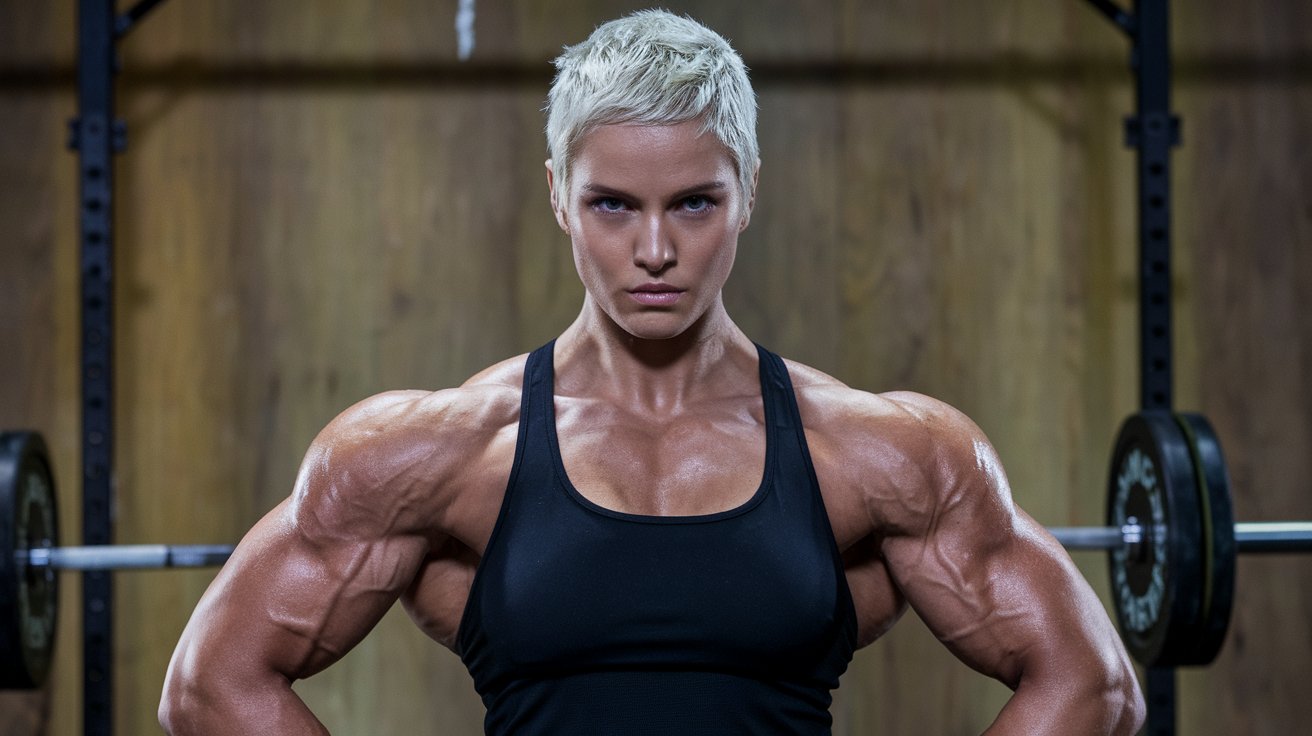
Building broader shoulders as a female can enhance your upper body strength, improve posture, and create a more balanced physique. While genetics play a role in shoulder width, targeted exercises and proper techniques can help you develop stronger, more defined shoulders that appear wider and more athletic.
Can You Really Change the Width of Your Shoulders?
Your shoulder width is primarily determined by bone structure, specifically the length of your clavicles and the positioning of your shoulder joints. While you cannot actually widen the bones themselves, you can significantly enhance the appearance of broader shoulders by building the deltoid muscles that cap your shoulders. These muscles, when properly developed, create the illusion of wider shoulders and contribute to a more athletic V-shaped silhouette.
The deltoid muscles consist of three distinct heads – anterior (front), medial (side), and posterior (rear). By targeting all three heads through specific exercises, females can add substantial muscle mass to their shoulders, making them appear significantly broader. Research from the American Council on Exercise shows that consistent shoulder training can increase deltoid muscle size by 15-25% within 3-6 months of dedicated training.
Best Exercises for Wider Shoulders
The most effective approach to broader shoulders for females involves compound and isolation exercises that target all three deltoid heads. These exercises should be performed 2-3 times per week with progressive overload to stimulate muscle growth and strength gains.
Overhead Shoulder Press
The overhead shoulder press is the foundational exercise for building broader shoulders. This compound movement targets all three deltoid heads while also engaging stabilizing muscles. Start with dumbbells or a barbell, pressing the weight straight up from shoulder height. Perform 3-4 sets of 8-12 repetitions with proper form, focusing on controlled movement and full range of motion. This exercise can increase shoulder strength by up to 30% when performed consistently over 12 weeks.
Lateral Raises
Lateral raises specifically target the medial deltoid, which is crucial for creating the appearance of wider shoulders. Hold dumbbells at your sides and raise them out to shoulder height, forming a T-shape with your body. Focus on leading with your pinky finger and maintaining a slight bend in your elbows. Perform 3 sets of 12-15 repetitions with lighter weights to maximize muscle activation and minimize joint stress.
Seated Rear Lateral Raise
The seated rear lateral raise targets the often-neglected posterior deltoid, essential for balanced shoulder development and improved posture. Sit on a bench, lean forward slightly, and raise dumbbells out to your sides with a focus on squeezing your shoulder blades together. This exercise helps create the three-dimensional shoulder appearance that contributes to broader-looking shoulders from all angles.
How to Widen Shoulders at Home Without Weights
Building broader shoulders at home is entirely possible using bodyweight exercises and household items. Push-up variations, particularly wide-grip push-ups and pike push-ups, effectively target the shoulders without requiring gym equipment. Pike push-ups specifically emphasize the anterior and medial deltoids, making them excellent for shoulder development.
Resistance bands offer another excellent option for home shoulder workouts. Band lateral raises, face pulls, and overhead presses can provide similar muscle activation to weighted exercises. A 2024 study published in the Journal of Strength and Conditioning Research found that resistance band training produced comparable muscle growth to free weights when performed with adequate resistance and proper progression.
Progressive Training Techniques for Shoulder Growth
To maximize shoulder muscle growth, implement progressive overload by gradually increasing weight, repetitions, or training volume each week. Start with weights that allow you to complete all repetitions with proper form, then increase the load by 2.5-5 pounds when you can easily complete the upper rep range for all sets.
Time under tension is another crucial factor for female shoulder development. Slow, controlled movements with a 2-1-2 tempo (2 seconds up, 1-second pause, 2 seconds down) can increase muscle activation by up to 40% compared to rapid repetitions. This technique is particularly effective for lateral raises and rear deltoid exercises.
Nutrition for Muscle Building and Shoulder Development
Proper nutrition plays a vital role in supporting muscle growth for broader shoulders. Consuming adequate protein (0.8-1.2 grams per pound of body weight) provides the building blocks necessary for muscle repair and growth. High-quality protein sources include lean meats, fish, eggs, dairy products, and plant-based options like quinoa and legumes.
Caloric intake should support your training goals – a slight caloric surplus of 200-500 calories above maintenance can promote muscle growth while minimizing fat gain. Include complex carbohydrates to fuel your workouts and healthy fats to support hormone production, both essential for optimal muscle development and recovery.
How Soon Will You See Results?
Most females can expect to see initial shoulder strength improvements within 2-3 weeks of consistent training. Visible muscle growth typically becomes apparent after 4-6 weeks, with significant changes in shoulder width and definition occurring within 3-6 months of dedicated training.
The timeline for results varies based on several factors including training experience, genetics, nutrition, and consistency. Beginners often see faster initial progress, with strength gains of 20-30% possible in the first 8 weeks. Advanced trainees may require longer periods to see significant changes, but the results are typically more permanent and substantial when achieved through proper progressive training methods.
Common Mistakes to Avoid When Building Broader Shoulders
One of the most common errors in female shoulder training is neglecting the rear deltoids, leading to muscle imbalances and poor posture. Ensure your routine includes equal attention to all three deltoid heads for balanced development and injury prevention. Another frequent mistake is using weights that are too heavy, compromising form and reducing muscle activation.
Overtraining the shoulders can hinder progress and increase injury risk. The deltoids are relatively small muscles that require adequate recovery between sessions. Training shoulders 2-3 times per week with at least 48 hours between sessions allows for optimal recovery and growth. Additionally, avoid training shoulders on consecutive days or immediately after chest or back workouts that heavily involve shoulder muscles.
Posture and Styling Tips for Broader-Looking Shoulders
Beyond muscle building, proper posture techniques can instantly make your shoulders appear broader. Stand tall with your shoulders pulled back and down, chest open, and core engaged. This alignment not only makes your shoulders look wider but also projects confidence and improves overall body mechanics.
Clothing choices can significantly impact how broad your shoulders appear. Shoulder-enhancing fashion includes structured blazers, boat necklines, and horizontal stripes across the chest area. Avoid clothing that slopes downward from the shoulders or creates a narrow silhouette at the shoulder line. Strategic padding in jackets and tops can also help create the appearance of broader shoulders while you work on building muscle.
Safety Considerations and When to Consult Professionals
Before starting any shoulder training program, consider consulting with a healthcare provider, especially if you have pre-existing shoulder injuries or joint issues. The shoulder joint is complex and prone to injury when exercises are performed incorrectly or with excessive weight.
Warning signs that require immediate attention include persistent shoulder pain, clicking or grinding sensations, or reduced range of motion. A qualified personal trainer can help ensure proper form and create a customized program based on your individual needs and limitations. Physical therapists can address any existing imbalances or mobility restrictions that might interfere with safe and effective shoulder training.
Related video about how to get broad shoulders female
This video complements the article information with a practical visual demonstration.
Important things to know about how to get broad shoulders female
How do I make my shoulders broader as a female?
Build broader shoulders by targeting all three deltoid heads through exercises like overhead presses, lateral raises, and rear deltoid flies. Focus on progressive overload, train 2-3 times per week, and maintain proper nutrition with adequate protein intake. Results typically become visible within 4-6 weeks of consistent training.
What causes broad shoulders in females?
Broad shoulders in females are primarily caused by genetics, specifically clavicle length and shoulder joint positioning. However, developed deltoid muscles from strength training, swimming, or other overhead activities can significantly enhance shoulder width appearance. Athletic activities and consistent upper body training are the main modifiable factors.
Can you naturally broaden your shoulders without surgery?
Yes, you can naturally create broader-appearing shoulders through targeted muscle building exercises, improved posture, and strategic clothing choices. While bone structure cannot be changed naturally, building deltoid muscle mass can increase shoulder width appearance by 15-25% within 3-6 months of consistent training.
How to increase shoulder width at home without weights?
Increase shoulder width at home using bodyweight exercises like pike push-ups, wide-grip push-ups, and handstand progressions. Resistance bands can provide similar benefits to weights for lateral raises and overhead movements. Household items like water jugs can serve as makeshift weights for shoulder exercises.
How long does it take to see broader shoulder results?
Initial strength improvements appear within 2-3 weeks, while visible muscle growth becomes apparent after 4-6 weeks. Significant shoulder width changes typically occur within 3-6 months of consistent training. Individual results vary based on genetics, training intensity, nutrition, and starting fitness level.
Are there any risks to training for broader shoulders?
Shoulder training risks include impingement, rotator cuff injuries, and muscle imbalances when proper form is neglected or rear deltoids are undertrained. Use appropriate weights, maintain proper form, allow adequate recovery between sessions, and consider professional guidance for safe and effective training progression.
| Training Aspect | Key Details | Expected Benefit |
|---|---|---|
| Exercise Frequency | 2-3 times per week with 48-hour recovery | Optimal muscle growth and injury prevention |
| Progressive Overload | Increase weight by 2.5-5 lbs when completing all reps | Continuous strength and muscle gains |
| Nutrition Support | 0.8-1.2g protein per lb bodyweight daily | Enhanced muscle recovery and growth |
| Timeline Results | 4-6 weeks for visible changes, 3-6 months for significant width | Measurable shoulder development and strength |

