
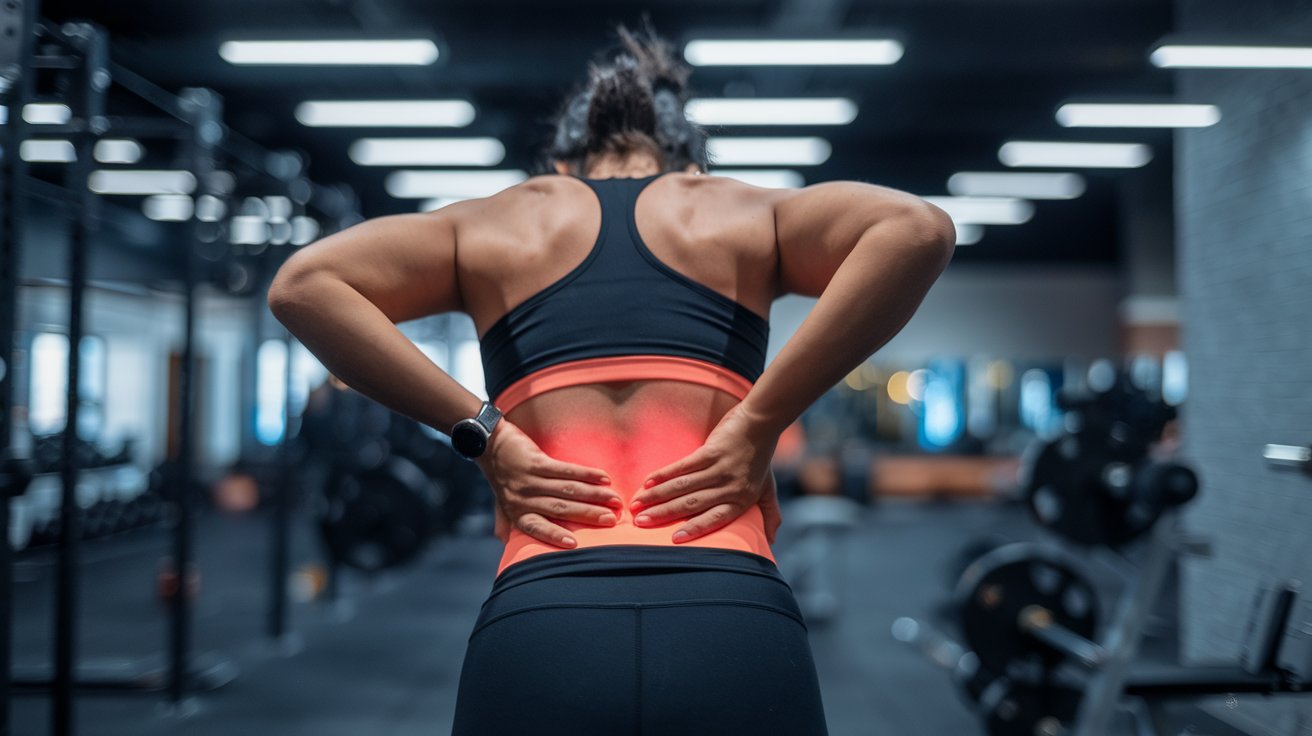
Experiencing lower back pain after glute exercises is a common concern that affects millions of Americans during their fitness routines. This discomfort typically stems from improper form, muscle imbalances, or overcompensation patterns that place excessive stress on the lumbar spine. Understanding the root causes and implementing proper techniques can help you strengthen glutes without hurting the lower back while maximizing your workout effectiveness.
Why Does My Lower Back Hurt After Glute Exercises
The primary reason for lower back pain after glute exercises is muscle compensation patterns where your lower back takes over when your glutes are weak or inactive. When glute muscles fail to engage properly during exercises, the erector spinae and other back muscles work overtime to stabilize your pelvis and spine. This overuse leads to muscle fatigue, tension, and eventual pain in the lumbar region.
Another significant factor is anterior pelvic tilt, a postural dysfunction affecting approximately 85% of office workers in the United States. This condition causes your pelvis to tip forward, placing your lower back in a hyperextended position during glute exercises. When combined with tight hip flexors and weak deep core muscles, this creates the perfect storm for back pain during and after glute-focused workouts.
Muscle Imbalance Patterns
Research from the American Council on Exercise shows that gluteal amnesia affects over 60% of sedentary adults, causing the glutes to become underactive while compensatory muscles become overactive. This imbalance forces your lower back muscles to work harder during exercises like bridges, squats, and hip thrusts, leading to strain and discomfort.
Poor Exercise Form Impact
Incorrect technique during glute exercises places excessive stress on the lumbar spine rather than targeting the intended muscles. Common form errors include excessive arching of the back during hip thrusts, using momentum instead of controlled movement, and failing to maintain proper spinal alignment throughout the exercise range of motion.
Common Glute Exercises That Can Cause Lower Back Pain
Several popular glute exercises frequently contribute to lower back pain when performed incorrectly or by individuals with existing muscle imbalances. Understanding which exercises pose the highest risk can help you modify your routine and prevent injury while still achieving your glute strengthening goals.
Hip Thrusts and Glute Bridges
Hip thrusts and glute bridges are among the most effective glute exercises but can cause significant lower back strain when performed with excessive lumbar extension. Many individuals compensate for weak glutes by hyperextending their spine at the top of the movement, placing tremendous pressure on the facet joints and surrounding musculature.
Deadlifts and Romanian Deadlifts
While deadlifts are excellent for glute and hamstring development, they require precise form to avoid lower back injury. Poor hip hinge mechanics, rounded spine positioning, and lifting weights beyond your current strength capacity can transform this beneficial exercise into a recipe for back pain.
Bulgarian Split Squats
Bulgarian split squats challenge single-leg stability and can cause compensatory lower back activation when your glutes lack the strength to maintain proper pelvic alignment. The asymmetrical loading pattern requires significant core stability to prevent excessive spinal movement.
Back Friendly Glute Exercises for Safe Training
Implementing back friendly glute exercises allows you to strengthen your posterior chain while minimizing stress on your lumbar spine. These modifications and alternative exercises provide effective glute activation without the high injury risk associated with traditional movements.
Modified Glute Bridges
Performing glute bridges with proper form involves maintaining a neutral spine throughout the movement. Focus on squeezing your glutes at the top while avoiding excessive back arch. Place a pillow under your lower back if needed to maintain the natural lumbar curve and prevent hyperextension.
Wall Sits and Isometric Holds
Isometric glute exercises like wall sits provide excellent muscle activation without dynamic spinal movement. These exercises allow you to focus on proper muscle engagement patterns while building strength in a controlled, stable environment that reduces injury risk.
Clamshells and Side-Lying Exercises
Side-lying exercises such as clamshells and lateral leg raises target the gluteus medius while keeping your spine in a neutral position. These exercises are particularly beneficial for individuals with herniated discs or acute lower back pain who need to avoid spinal flexion and extension.
How to Fix Lower Back and Glute Pain
Addressing lower back pain after glute exercises requires a comprehensive approach that includes immediate pain management strategies, corrective exercises, and long-term movement pattern improvements. The key is identifying whether your pain stems from acute injury or chronic dysfunction patterns.
For acute pain following exercise, apply ice for 15-20 minutes every 2-3 hours during the first 48 hours to reduce inflammation. Gentle movement such as walking can help maintain blood flow and prevent stiffness. However, avoid stretching inflamed muscles aggressively, as this can worsen the condition.
Immediate Pain Relief Strategies
Heat and cold therapy can provide significant relief for exercise-induced back pain. Use cold packs immediately after exercise to reduce inflammation, then switch to heat therapy 48-72 hours later to improve blood flow and muscle relaxation. Over-the-counter anti-inflammatory medications can help manage pain and swelling when used as directed.
Corrective Exercise Protocol
Implementing a corrective exercise routine addresses the underlying muscle imbalances that contribute to back pain. Focus on hip flexor stretches, core strengthening exercises, and glute activation drills performed daily. This protocol typically takes 4-6 weeks to show significant improvement in movement patterns and pain reduction.
Do Strong Glutes Help Lower Back Pain
Research published in the Journal of Physical Therapy Science demonstrates that strong glutes significantly reduce lower back pain by improving pelvic stability and reducing compensatory movement patterns. Individuals with well-developed glute muscles experience 40% less lower back pain during daily activities compared to those with weak posterior chains.
The gluteus maximus, medius, and minimus work together to stabilize the pelvis during movement, preventing excessive stress on the lumbar spine. When these muscles function optimally, they reduce the load on spinal structures during activities like lifting, walking, and climbing stairs. This protective mechanism is particularly important for individuals who spend long hours sitting or have physically demanding jobs.
Prevention Strategies for Future Workouts
Preventing lower back pain during glute exercises requires consistent application of proper warm-up protocols, form correction, and progressive overload principles. A comprehensive prevention strategy reduces injury risk by up to 70% according to sports medicine research from major US universities.
Start each workout with 10-15 minutes of dynamic warm-up focusing on hip mobility and glute activation. Include exercises like leg swings, hip circles, and glute bridges with holds to prepare your muscles for more intensive training. This preparation phase is crucial for establishing proper movement patterns before adding load or complexity.
Related video about lower back pain after glute exercises
This video complements the article information with a practical visual demonstration.
Most asked questions about lower back pain after glute exercises
Why does my lower back hurt after glute exercises?
Lower back pain after glute exercises typically occurs due to compensation patterns where your back muscles work overtime when glutes are weak or inactive. Poor form, anterior pelvic tilt, and muscle imbalances force the lumbar spine to handle stress meant for the glutes, resulting in pain and tension.
How to strengthen glutes without hurting the lower back?
Focus on back-friendly exercises like modified glute bridges, clamshells, and wall sits while maintaining neutral spine alignment. Start with bodyweight movements, emphasize proper form over heavy loads, and include hip flexor stretches and core strengthening in your routine to address underlying imbalances.
Can glutes cause lower back pain?
Yes, weak or inactive glutes can directly cause lower back pain through compensation patterns. When glutes fail to stabilize the pelvis properly, surrounding muscles including the erector spinae become overworked, leading to tension, fatigue, and eventual pain in the lumbar region.
How to fix lower back glute pain?
Address the pain through immediate relief strategies like ice therapy, gentle movement, and anti-inflammatory medications. Long-term solutions include corrective exercises targeting hip flexor flexibility, core strength, and glute activation patterns. This comprehensive approach typically requires 4-6 weeks for significant improvement.
What glute exercises are safe with a herniated disc?
Safe options include side-lying clamshells, prone glute squeezes, and modified bridges that maintain spinal neutrality. Avoid exercises involving spinal flexion, extension, or rotation. Always consult with a healthcare provider before beginning any exercise program with a herniated disc condition.
Do strong glutes help lower back pain?
Absolutely. Research shows that individuals with strong glutes experience 40% less lower back pain during daily activities. Strong glute muscles improve pelvic stability, reduce compensatory movement patterns, and decrease the load placed on spinal structures during movement and lifting activities.
| Prevention Strategy | Implementation | Expected Outcome |
|---|---|---|
| Proper Form Training | Focus on neutral spine alignment and controlled movements | 70% reduction in exercise-related back pain |
| Glute Activation Protocol | Daily activation exercises and targeted strengthening | Improved muscle firing patterns within 4-6 weeks |
| Hip Flexor Stretching | 30-60 seconds holds, 2-3 times daily | Reduced anterior pelvic tilt and back strain |
| Progressive Loading | Gradual increase in exercise intensity and volume | Safe strength gains without injury risk |

