
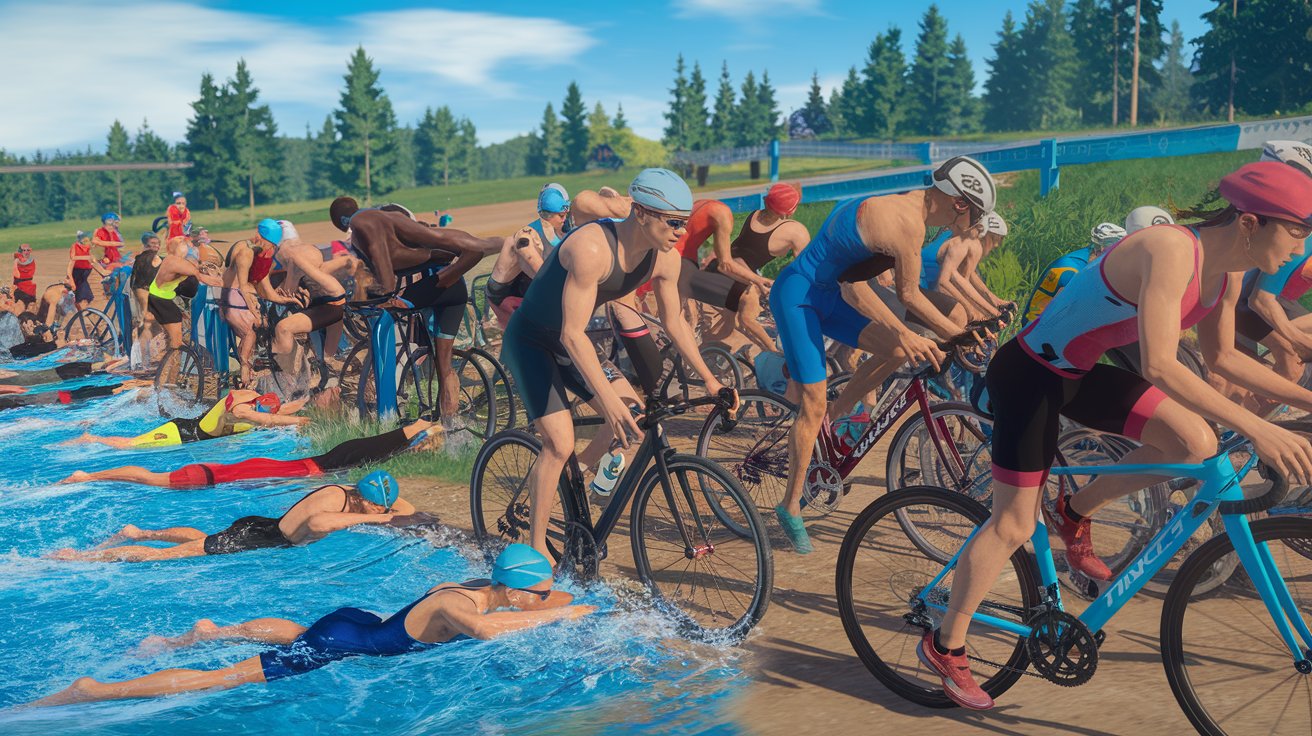
Getting into triathlon as a beginner might seem overwhelming, but with proper planning and progressive training, anyone can complete their first race. This comprehensive guide will show you exactly how to get into triathlon, covering everything from basic fitness requirements to race day preparation, helping you transform from complete beginner to confident triathlete.
Understanding Triathlon Basics for Beginners
A triathlon consists of three consecutive disciplines: swimming, cycling, and running, performed without breaks between segments. The most popular beginner-friendly distance is the Sprint Triathlon, typically featuring a 750-meter swim, 20-kilometer bike ride, and 5-kilometer run. Understanding these basics is crucial when learning how to get into triathlon effectively.
The beauty of triathlon lies in its accessibility to people of various fitness levels. According to USA Triathlon, over 550,000 Americans participated in sanctioned triathlon events in 2024, with 40% being first-time participants. The sport welcomes beginners through shorter distances and supportive community environments, making it an ideal challenge for those seeking a comprehensive fitness goal.
Sprint Triathlon Distance Breakdown
The Sprint Triathlon serves as the perfect entry point for beginners, requiring approximately 1-2 hours to complete depending on fitness level. The swimming portion typically takes place in open water or pools, while the cycling segment uses standard road or triathlon bikes. The final running portion tests your ability to transition from cycling to running, a skill that improves with practice and proper triathlon training.
Essential Triathlon Equipment for Starters
Beginning triathletes need basic equipment including a swimsuit or wetsuit, goggles, bicycle, helmet, and running shoes. While specialized triathlon gear exists, beginners can start with standard athletic equipment they likely already own. A reliable bike in good working condition, properly fitted helmet, and comfortable running shoes form the foundation of your triathlon gear collection, allowing you to focus on training rather than equipment expenses.
Creating Your Triathlon Training Plan
Developing a structured triathlon training plan is essential for success, typically requiring 12-16 weeks of preparation for beginners. Your plan should gradually build endurance in all three disciplines while incorporating rest days for recovery. Most successful beginners follow a progressive approach, starting with shorter distances in each sport and gradually increasing duration and intensity over many months of consistent training.
The 80/20 rule for triathlon training suggests spending 80% of your training time at low intensity and 20% at moderate to high intensity. This approach prevents burnout while building a strong aerobic base. A typical week might include 3-4 swim sessions, 3-4 bike rides, and 3-4 runs, with at least one rest day for recovery and adaptation.
Weekly Training Structure for Beginners
A beginner’s weekly training plan should include two sessions each of swimming, cycling, and running, plus one brick workout combining bike and run. Start with 20-30 minute sessions and gradually increase duration by 10% each week. Include one longer session in each discipline weekly, building towards race distances over your training plan timeline of several months.
Progressive Training Timeline
Most beginners require 12-20 weeks to prepare for their first Sprint Triathlon, depending on current fitness levels. The first month focuses on building basic endurance in each sport separately. Months two and three introduce brick workouts and race-pace efforts, while the final month emphasizes race simulation and tapering for optimal performance on race day.
Mastering Swimming Techniques and Training
Swimming often presents the biggest challenge for triathlon beginners, as many lack proper technique and open-water experience. Start with basic stroke mechanics in a pool, focusing on breathing, body position, and efficient movement through water. Consider taking swimming lessons or joining a masters swim group to accelerate your progress and build confidence in the water.
Open-water swimming differs significantly from pool swimming, requiring practice in lakes, rivers, or ocean environments where you’ll likely compete. Practice sighting techniques, drafting behind other swimmers, and dealing with waves or currents. Most beginner triathlon events offer shorter swim distances, making this discipline more manageable as you develop aquatic skills and confidence.
Cycling Training and Bike Handling Skills
Cycling typically represents the longest portion of any triathlon, making bike training crucial for overall race success. Focus on building endurance through longer, steady-paced rides while developing handling skills for cornering, climbing, and riding in groups. Practice mounting and dismounting your bike efficiently, as these transition skills can save valuable time on race day.
Bike fit plays a crucial role in comfort and performance during longer rides. Consider professional bike fitting to prevent discomfort and potential injury. Practice riding in your aero position if using triathlon-specific equipment, but prioritize comfort and control over pure aerodynamics as a beginner. Regular maintenance ensures your bike performs reliably throughout training and competition.
Building Cycling Endurance
Cycling endurance develops through consistent long rides and interval training. Start with rides matching your race distance, then gradually extend to 1.5 times race length during peak training. Include hill training to build strength and vary your routes to maintain interest. Most beginners find cycling the most enjoyable discipline once basic handling skills develop.
Bike Safety and Maintenance Basics
Safety remains paramount during cycling training, requiring proper helmet use, visibility gear, and defensive riding techniques. Learn basic bike maintenance including tire changes, brake adjustments, and chain lubrication. Carry essential tools and spare tubes during training rides, practicing repairs in controlled environments before race day when mechanical issues might occur.
Running Training and Transition Preparation
Running after cycling challenges even experienced athletes, as your legs feel heavy and uncoordinated initially. Practice brick workouts combining bike rides with immediate runs to adapt to this unique sensation. Start with short transition runs of 10-15 minutes, gradually building to race distance as your body adapts to the triathlon demands.
Focus on quick, efficient transitions between disciplines, as these skills can significantly impact your overall race time. Practice setting up your transition area, changing equipment quickly, and moving efficiently from swim to bike to run. Time yourself during transition practice to identify areas for improvement and build confidence in your race day procedures.
Nutrition and Hydration Strategies
Proper nutrition and hydration fuel your triathlon training and race performance, requiring attention to both daily nutrition and race-day fueling strategies. Focus on whole foods, adequate protein for recovery, and sufficient carbohydrates to fuel training sessions. Practice your race nutrition during longer training sessions to identify what works best for your body.
Hydration needs vary based on climate, sweat rate, and exercise duration. Monitor your hydration status through urine color and body weight changes after training. During races, plan to consume 150-250ml of fluid every 15-20 minutes, adjusting based on weather conditions and personal needs developed through training experience.
Pre-Race Nutrition Planning
Race day nutrition begins 2-3 days before your event with carbohydrate loading and proper hydration. Eat familiar foods and avoid trying anything new on race day. Consume a light breakfast 2-3 hours before race start, focusing on easily digestible carbohydrates and minimal fiber to prevent gastrointestinal distress during competition.
During-Race Fueling Strategy
For Sprint Triathlon distances, most athletes require minimal nutrition beyond proper hydration. Longer events necessitate consuming 30-60g of carbohydrates per hour after the first 60-90 minutes. Practice your fueling strategy during training to ensure tolerance and optimize performance on race day.
Mental Preparation and Race Strategy
Mental preparation proves as important as physical training for triathlon success. Visualize each race segment, potential challenges, and your responses to various scenarios. Develop positive self-talk strategies for difficult moments during training and racing. Many beginners benefit from setting process goals rather than time-based objectives for their first triathlon experience.
Race strategy for beginners should emphasize pacing, nutrition execution, and smooth transitions rather than aggressive racing. Plan to start conservatively in each discipline, saving energy for the final run segment. Focus on executing your practiced routines and enjoying the experience rather than comparing yourself to other competitors during your first triathlon.
Finding Beginner-Friendly Races
Selecting the right first race significantly impacts your triathlon experience and future participation in the sport. Look for beginner triathlon near me events that emphasize participation over competition, offer shorter distances, and provide supportive environments for new athletes. Many regions host beginner-specific events during warmer months, typically featuring pool swims and well-marked courses.
Research race logistics including transition setup, course maps, and available amenities before registering. Consider events with pool swims if open-water swimming creates anxiety. Read race reviews from previous participants to understand the event atmosphere and organization quality. Register early for popular beginner events, as they often sell out quickly due to limited field sizes designed for optimal participant experience.
Related video about how to get into triathlon
This video complements the article information with a practical visual demonstration.
Questions & Answers
How to get into triathlon as a beginner?
Start by assessing your current fitness in swimming, cycling, and running. Begin with a 12-16 week training plan focusing on Sprint Triathlon distances. Join local triathlon clubs, invest in basic equipment, and register for a beginner-friendly race. Focus on building endurance gradually while practicing transitions between disciplines.
How many months does it take to train for a triathlon?
Most beginners need 3-4 months to prepare for their first Sprint Triathlon, while those with limited fitness may require 6 months. The timeline depends on your starting fitness level, available training time, and chosen race distance. Consistent training 5-6 days per week typically produces the best results within this timeframe.
What is the 80/20 rule for triathlon?
The 80/20 rule suggests spending 80% of training time at low intensity (conversational pace) and 20% at moderate to high intensity. This approach builds aerobic capacity while preventing overtraining and burnout. Most beginners should focus heavily on the 80% easy training to build a strong endurance base.
Can the average person do a triathlon?
Yes, the average person can complete a triathlon with proper training and preparation. Sprint Triathlons are designed for beginners and typically take 1-2 hours to finish. Basic swimming ability, bike riding skills, and ability to jog 5K provide sufficient foundation to begin training for your first triathlon race.
What equipment do I need for my first triathlon?
Essential equipment includes swimwear/wetsuit, goggles, bicycle, helmet, running shoes, and basic nutrition supplies. Many beginners use standard athletic gear initially, upgrading specialized equipment as they gain experience. A properly fitted bike and helmet are the most important safety investments for new triathletes.
How should I structure my weekly triathlon training?
A typical beginner week includes 2-3 sessions each of swimming, cycling, and running, plus one brick workout combining bike and run. Include at least one rest day for recovery. Start with 20-30 minute sessions and increase duration by 10% weekly, building toward race distances over your training period.
| Training Aspect | Beginner Recommendation | Key Benefit |
|---|---|---|
| Training Duration | 12-16 weeks preparation | Builds fitness gradually and safely |
| Race Distance | Sprint Triathlon (750m swim, 20k bike, 5k run) | Achievable first-race goal |
| Training Frequency | 5-6 sessions per week | Balances progress with recovery |
| Equipment Investment | Start with basic gear, upgrade later | Cost-effective entry into sport |
| 80/20 Training Rule | 80% easy pace, 20% moderate/hard | Prevents burnout and overtraining |

