
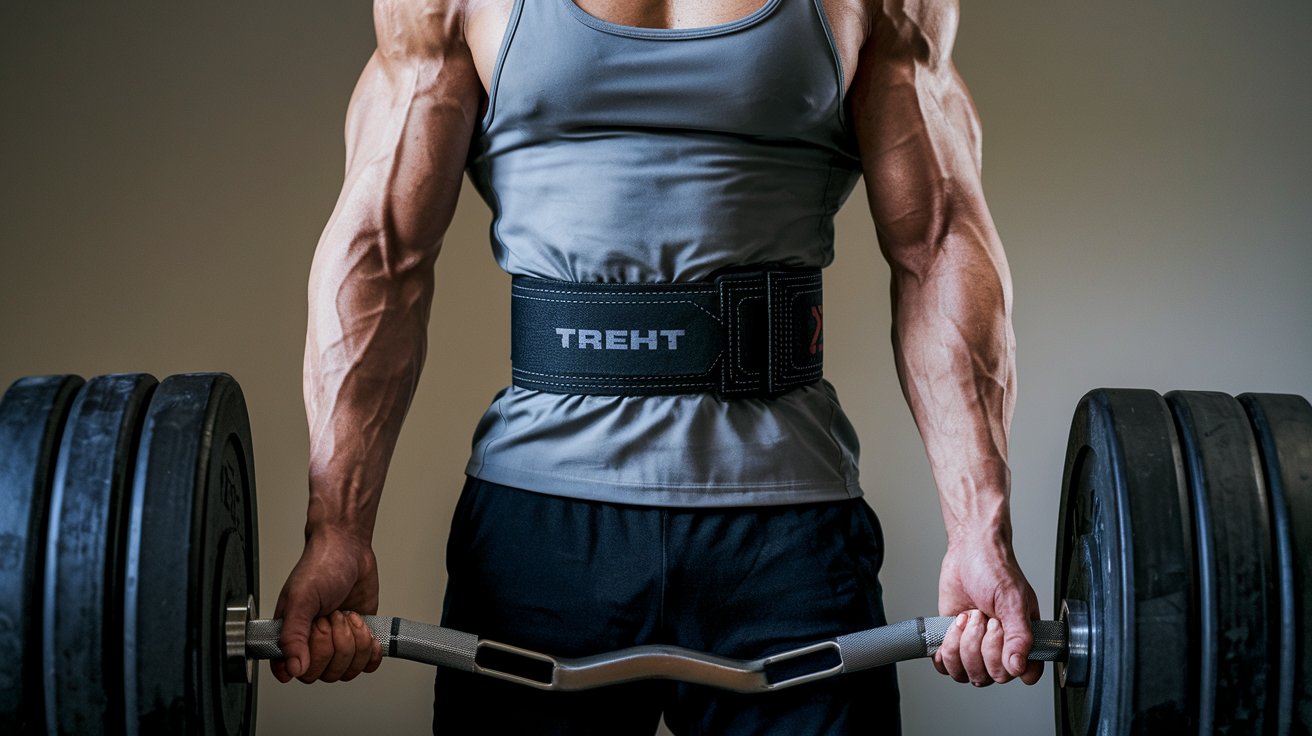
Knowing when to wear a belt when lifting is crucial for both safety and performance optimization. Most lifters should consider using a belt when performing compound movements at 80-85% of their one-rep max, though specific timing depends on experience level, lift type, and individual goals. This comprehensive guide covers the science-backed approach to belt usage in modern strength training.
What is a Weightlifting Belt and How Does it Work
A weightlifting belt is a supportive tool that increases intra-abdominal pressure when worn correctly during heavy lifts. The belt acts as an external wall against which your core muscles can brace, creating greater spinal stability and reducing compressive forces on the lower back. Research from 2024 shows that proper belt usage can increase lifting capacity by 5-15% while significantly reducing injury risk during maximal efforts.
The belt works by providing a firm surface for your diaphragm and deep core muscles to push against during the Valsalva maneuver. This increased intra-abdominal pressure creates a natural weight belt around your spine, enhancing stability during compound movements like squats, deadlifts, and overhead presses. Modern belts are typically 4 inches wide and made from leather or high-quality synthetic materials for optimal support.
When Should You Start Wearing a Lifting Belt
Beginner lifters should focus on developing proper form and core strength before introducing a belt, typically after 6-12 months of consistent training. Most fitness professionals recommend starting belt usage when you can squat your body weight and deadlift 1.5 times your body weight with perfect form. This ensures you have developed the foundational movement patterns and core stability necessary to benefit from belt support.
The general rule for when to start wearing a belt is when you reach 80-85% of your one-rep maximum on compound lifts. At this intensity, the benefits of increased intra-abdominal pressure outweigh the potential drawbacks of reduced core activation. For most intermediate lifters in 2025, this translates to approximately 6-9 months of serious training, depending on starting strength levels and consistency.
Beginner Guidelines for Belt Usage
New lifters should prioritize learning proper breathing techniques and core bracing before introducing a lifting belt for beginners. Start with bodyweight exercises and light loads to develop the neuromuscular patterns necessary for effective belt use. Many beginners make the mistake of using a belt too early, which can actually hinder core development and create dependence on external support.
Intermediate to Advanced Considerations
Experienced lifters typically use belts for working sets above 85% of their max or during peak training phases. Advanced powerlifters and strongman athletes may use belts for sets as low as 70% when training volume is high or fatigue is accumulated. The key is maintaining a balance between supported and unsupported training to preserve natural core strength while maximizing performance potential.
Specific Weight Thresholds for Different Lifts
For squats, most lifters benefit from belt usage when reaching approximately 1.5-2 times their body weight, though individual anatomy and training history play significant roles. Women typically may start considering belt use at slightly lower relative weights due to different core strength development patterns. The 2025 strength training guidelines suggest evaluating belt use based on perceived exertion and form breakdown rather than absolute numbers.
Deadlift belt usage typically begins at similar weight thresholds, with many lifters finding benefit when lifting 2-2.5 times their body weight. Overhead movements like military press or push press may warrant belt use at lower absolute weights due to the increased stability demands of pressing overhead. The key factor is maintaining perfect form while maximizing training stimulus and safety.
Squat-Specific Belt Guidelines
At what weight should I use a belt for squats depends on your training experience and body weight. For a 180-pound male lifter, this typically occurs around 270-360 pounds, while a 140-pound female lifter might benefit from belt use around 210-280 pounds. These ranges account for individual variation and training background differences common in 2025 fitness populations.
Deadlift Belt Timing
Deadlift belt usage often begins slightly later than squats due to the different biomechanics involved. Most lifters find when should you use a lifting belt for deadlifts coincides with pulling 2.5-3 times body weight or when experiencing form breakdown at submaximal loads. Competition deadlifters may use belts for all working sets above 80% to maintain consistency with meet conditions.
How to Properly Wear and Use a Lifting Belt
Proper lifting belt technique begins with positioning the belt around your natural waist, typically at the level of your navel or slightly above. The belt should be tight enough to provide support but allow for deep abdominal breathing and proper core expansion. Many lifters make the mistake of wearing the belt too tight or too low, which reduces effectiveness and can impair breathing patterns during heavy lifts.
The correct sequence involves putting on the belt, taking a deep breath into your abdomen, bracing your core muscles against the belt, and then performing the lift while maintaining this pressurized state. Proper belt breathing is crucial for maximizing the supportive benefits while ensuring adequate oxygen delivery throughout the movement. Release the breath at the top of each rep or between reps, depending on the specific exercise and load being used.
Types of Lifting Belts and Selection Criteria
The most common types of lifting belts include powerlifting belts (uniform width), Olympic lifting belts (tapered design), and general fitness belts (varying materials and closures). Powerlifting belts offer maximum support for heavy compound movements, while Olympic lifting belts provide better mobility for dynamic movements like cleans and snatches. Modern belt technology in 2025 includes quick-release mechanisms and improved materials for better durability and comfort.
Belt selection should prioritize proper fit, quality construction, and intended use patterns. A quality leather belt typically costs $80-200 and can last decades with proper care, making it a worthwhile investment for serious lifters. Width, thickness, and closure type all affect performance characteristics, with most lifters preferring 10-13mm thickness and lever or prong closures for maximum adjustability and security.
Powerlifting vs Olympic Lifting Belts
Powerlifting belts maintain uniform 4-inch width around the entire circumference, providing maximum support for squats, deadlifts, and bench press. Olympic lifting belts taper from 4 inches in the back to 2-3 inches in the front, allowing greater hip flexion and torso mobility required for explosive lifting movements while maintaining core support.
Material and Construction Considerations
Leather remains the gold standard for lifting belt construction due to its durability and ability to conform to the body over time. Synthetic materials offer advantages in terms of maintenance and initial comfort but may lack the long-term support characteristics of quality leather. The closure mechanism significantly impacts ease of use and adjustability between different exercises and training sessions.
Training With vs Without a Belt: Strategic Periodization
Effective belt periodization involves strategically cycling between supported and unsupported training phases to maximize both core development and lifting performance. Research from 2024 suggests that lifters who train 60-70% of their heavy sets with a belt and 30-40% without maintain optimal core strength while maximizing performance gains. This approach prevents over-dependence on external support while allowing for progressive overload in key lifts.
Many successful strength athletes follow a pattern where accessory movements and lighter training days are performed without a belt, while competition lifts and maximal efforts utilize belt support. This strategy ensures that natural core strength continues to develop while allowing for peak performance when needed. The specific ratio depends on training goals, competition schedule, and individual response patterns.
Beltless Training Benefits
Training without a belt maintains natural core strength development and proprioceptive awareness that can be diminished with constant belt use. Beltless work typically comprises warm-up sets, technique work, and lighter training days where form development takes precedence over absolute load. This approach ensures balanced strength development and reduces injury risk from over-reliance on external support.
Competition and Peak Performance Protocols
Competition preparation often involves increased belt usage frequency to mirror meet conditions and maximize performance potential. Many powerlifters and strongman competitors use belts for all working sets above 75% during peak phases, ensuring complete familiarity with supported movement patterns. This specificity principle helps optimize performance when it matters most while maintaining training adaptations.
Gender-Specific Considerations for Belt Usage
When to wear a belt when lifting female athletes often involves earlier introduction relative to absolute strength levels due to anatomical and hormonal differences affecting core stability. Female lifters may benefit from belt use at slightly lower relative intensities, particularly during hormonal fluctuations that can affect joint stability and core strength. Recent 2025 research highlights the importance of individualized approaches based on training history and biomechanical factors rather than generic recommendations.
Women’s belt sizing and fit considerations differ from men’s due to typical differences in waist-to-hip ratios and torso proportions. Many female lifters find success with slightly narrower belts or different positioning to accommodate their anatomical structure while maintaining optimal support. The growing market for women-specific lifting gear in 2025 offers improved options for proper fit and performance optimization.
Common Mistakes and How to Avoid Them
The most frequent error in belt usage is wearing it too early in training progression, which can inhibit natural core development and create psychological dependence on external support. Many beginners mistakenly believe that belts prevent all injury risk, leading to poor form and excessive load progression. The belt should enhance already solid movement patterns, not compensate for technical deficiencies or inadequate core strength development.
Another common mistake involves improper belt positioning and tightness, with many lifters wearing the belt too low (on the hips) or too tight to allow proper breathing and core expansion. The belt should sit at the natural waist level and be tight enough to provide support without restricting proper breathing mechanics. Overly tight belts can actually reduce lifting performance by impairing the Valsalva maneuver and causing premature fatigue.
Related video about when to wear a belt when lifting
This video complements the article information with a practical visual demonstration.
Most asked questions about when to wear a belt when lifting
When should you start wearing a lifting belt?
You should start wearing a lifting belt when you can maintain perfect form at 80-85% of your one-rep maximum on compound lifts. For most lifters, this occurs after 6-12 months of consistent training when you can squat your body weight and deadlift 1.5 times your body weight with proper technique.
How much weight can you lift before needing a belt?
Most lifters benefit from belt usage when squatting 1.5-2 times their body weight or deadlifting 2-2.5 times their body weight. However, the decision should be based on form breakdown and training intensity rather than absolute numbers, as individual anatomy and experience levels vary significantly.
Do you have to wear a belt when lifting?
No, wearing a belt when lifting is not mandatory and many successful lifters train primarily without belts. Belts are tools for enhancing performance at higher intensities, but proper form and core strength development should always be prioritized. Many exercises and training phases are actually better performed without belt support.
How do you know when to wear a belt?
Wear a belt when training at 80-85% of your maximum, when form begins to break down due to core fatigue, or during competition preparation phases. Signs that you might need a belt include back rounding during squats, inability to maintain neutral spine during deadlifts, or feeling unstable during heavy overhead movements.
At what weight should I use a belt for squats?
For squats, consider belt usage when reaching approximately 1.5-2 times your body weight. A 180-pound lifter might start using a belt around 270-360 pounds, while individual factors like training experience, core strength, and form quality should ultimately determine the specific threshold.
Should beginners use lifting belts?
Beginners should focus on developing proper form and natural core strength for 6-12 months before introducing a belt. Using a belt too early can hinder core development and create dependence on external support. Start with bodyweight exercises and light loads to build foundational strength first.
| Training Level | Belt Usage Timing | Key Benefits |
|---|---|---|
| Beginner (0-12 months) | Focus on beltless training, core development | Natural strength development, proper form establishment |
| Intermediate (1-3 years) | 80-85% 1RM, 1.5-2x bodyweight | Performance enhancement, injury prevention |
| Advanced (3+ years) | Strategic periodization, competition prep | Maximal performance, competition specificity |
| Competition Athletes | 75%+ during peak phases | Meet simulation, performance optimization |

